

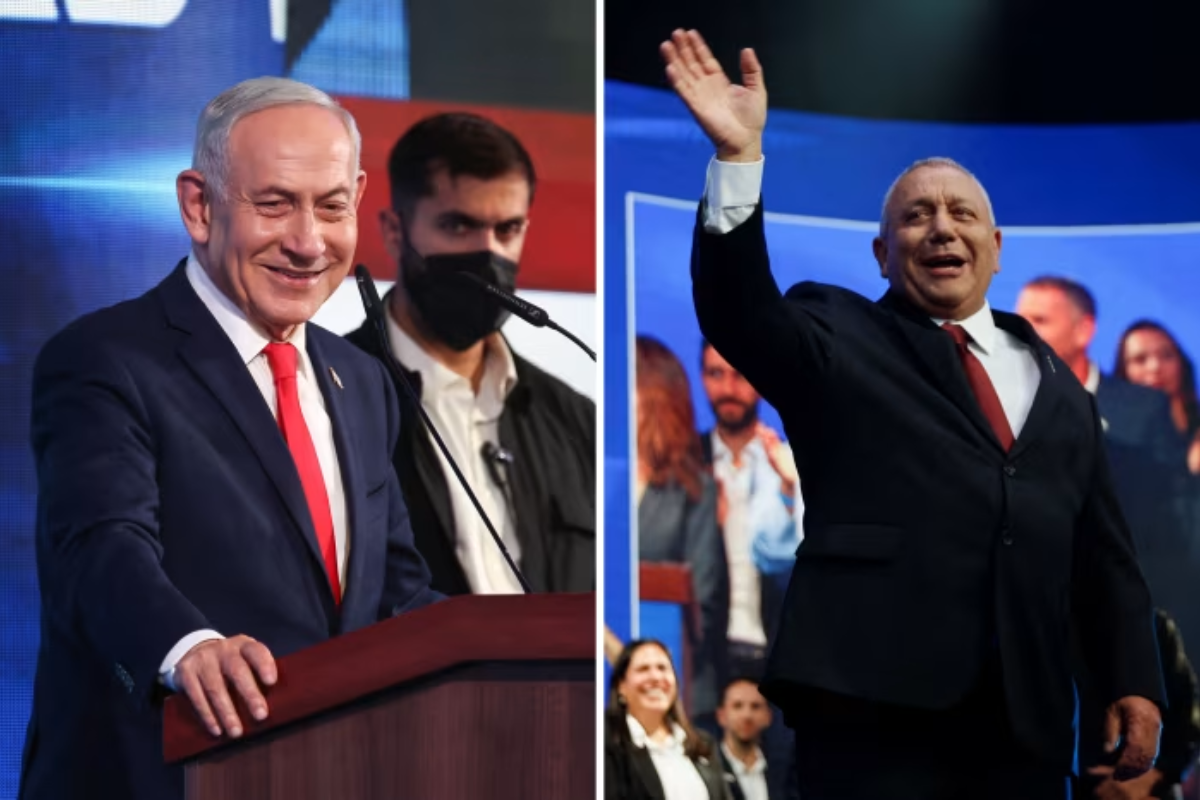
Benjamin Netanyahu: Israel‘s election has produced a political puzzle with no easy answer. With all votes counted, Netanyahu’s bloc holds 53 seats and Eisenkot’s holds 48. Arab-led parties won a record 19 seats, almost double their current 10. Turnout was 77.9%, the highest in decades. Neither side reaches the 61 seats needed for a majority in the 120-member Knesset.
DON'T MISS
The Support That Changes the Math
On Thursday, both Arab lists said they would recommend Eisenkot to President Isaac Herzog. Ra’am, which won eight seats, and the Joint List both backed him. Added to the opposition bloc, that brings his recommendations to 67 seats, above the 61 needed. The Joint List said its decision was meant to keep Netanyahu and his government out of power.
Netanyahu’s Own Setbacks
Netanyahu has also lost ground within his traditional camp. United Torah Judaism, which backed him after the previous five elections, declined to recommend him this time. The ultra-Orthodox faction broke with him over his coalition’s failure to pass legislation exempting Haredi men from military service. It did not back Eisenkot either. Likud has warned that Zionist parties cooperating with the Arab bloc would be “dangerous to Israel”, and Netanyahu has cast doubt on the results. The Central Elections Committee certified them and found no evidence of fraud.
Why It Is Not a Done Deal
Recommendations are not a coalition. Before the election, Eisenkot said he would only partner with parties that recognise Israel as a Jewish and democratic state, endorse the Declaration of Independence and commit to national service for all Israelis. Critics note he has also ruled out relying on Arab parties. Relying on their votes could also cost him support in his own bloc, notably Avigdor Liberman, who shares the outgoing government’s hawkish views on the Palestinians.
President Herzog has accepted the results and will decide who gets the mandate to try forming a government. Herzog has also urged compromise.


