


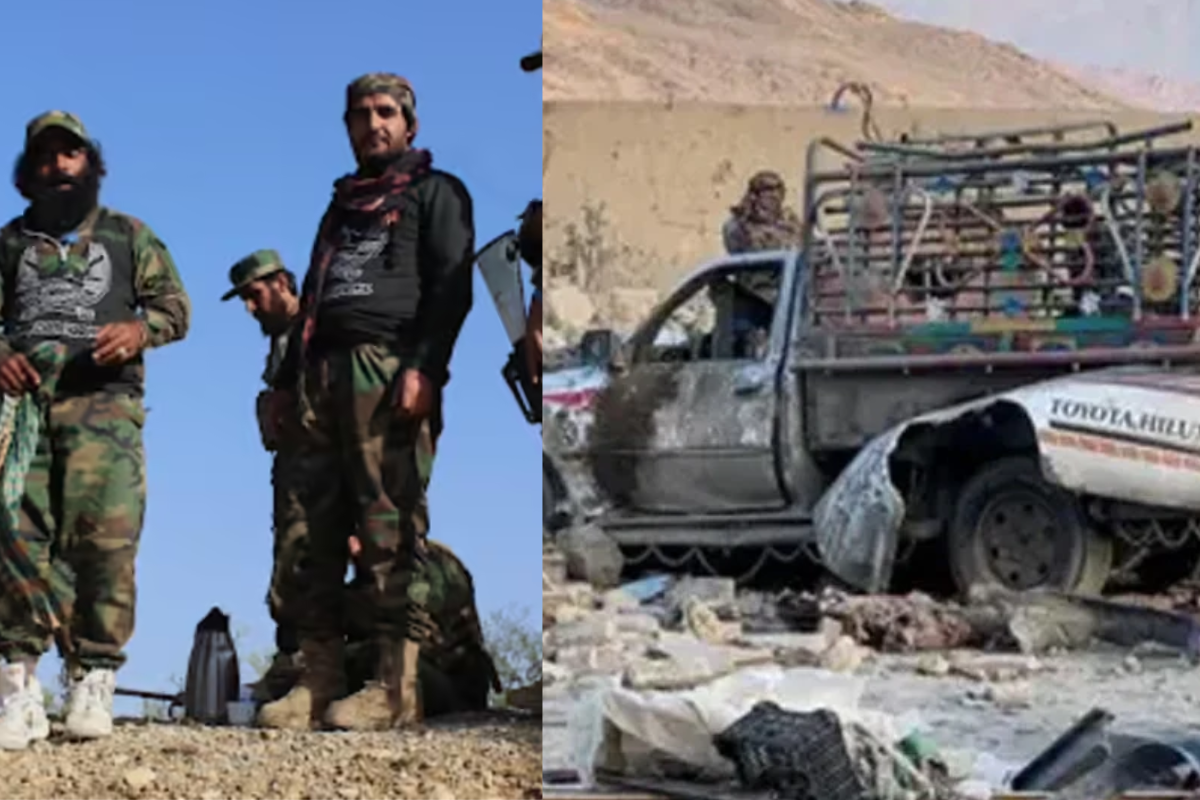
Pakistan Afghanistan War: Tensions between Pakistan and Afghanistan have once again erupted into open confrontation, pushing Kabul and Islamabad to the brink and raising fears of a prolonged regional crisis. Despite urgent appeals from global powers and international organizations, ceasefire calls have so far failed to calm the situation.
At the heart of the conflict lies a long and troubled history, rooted in disputes over the controversial Durand Line. Drawn during the British colonial era, the border has never been formally recognized by successive Afghan governments. For decades, it has symbolized mistrust, competing national narratives, and cross-border militancy. The latest flare-up shows how unresolved historical grievances can quickly ignite into full-scale confrontation.
Pakistan Afghanistan War-The Spark Behind the Escalation
Recent hostilities intensified after Pakistan accused militant groups operating from Afghan territory of launching deadly attacks inside its borders. Islamabad has specifically pointed fingers at factions it claims are sheltered by the Afghan Taliban government. In response, Pakistan reportedly carried out targeted strikes on suspected militant hideouts across the frontier.
The Afghan government, led by the Taliban, has denied harbouring anti-Pakistan militants and condemned the strikes as violations of sovereignty. Kabul insists it is not responsible for the actions of armed groups and warns that continued aggression will provoke firm retaliation.
DON'T MISS
One of the central issues fuelling the conflict is the presence of the Tehrik-i-Taliban Pakistan (TTP), a militant organization that has long targeted Pakistani security forces. Islamabad maintains that TTP leaders operate from Afghan soil, a charge Kabul disputes. The inability or unwillingness of both sides to cooperate on counterterrorism has widened the trust deficit.
As artillery shells land near border towns and fighter jets patrol tense skies, civilians are paying the heaviest price. Thousands have reportedly fled their homes, seeking refuge from bombardment and fearing further escalation. Border crossings have been closed, choking trade routes that are vital for both economies.
For Afghanistan, already grappling with severe economic collapse and international isolation, renewed conflict is devastating. Aid deliveries have slowed, prices of essential goods have surged, and fragile infrastructure has been damaged. Pakistan, too, faces internal strain, with security forces stretched thin and political divisions deepening at home.
Hospitals in affected areas are overwhelmed, and humanitarian organizations warn of worsening food insecurity if hostilities continue. The longer the fighting persists, the harder it will be to reverse the damage inflicted on communities that have endured decades of instability.
World Bodies Call for Calm
The international community has responded with urgency, though so far with limited success. The United Nations has called for “maximum restraint” and emphasized the need for dialogue. Emergency consultations at the United Nations Security Council have focused on preventing further deterioration, particularly given the broader implications for South and Central Asian stability.
Meanwhile, the Organization of Islamic Cooperation has urged both Muslim-majority nations to resolve their differences through peaceful negotiation. Regional powers have also quietly engaged in backchannel diplomacy, wary that prolonged conflict could create a vacuum exploited by extremist networks.