

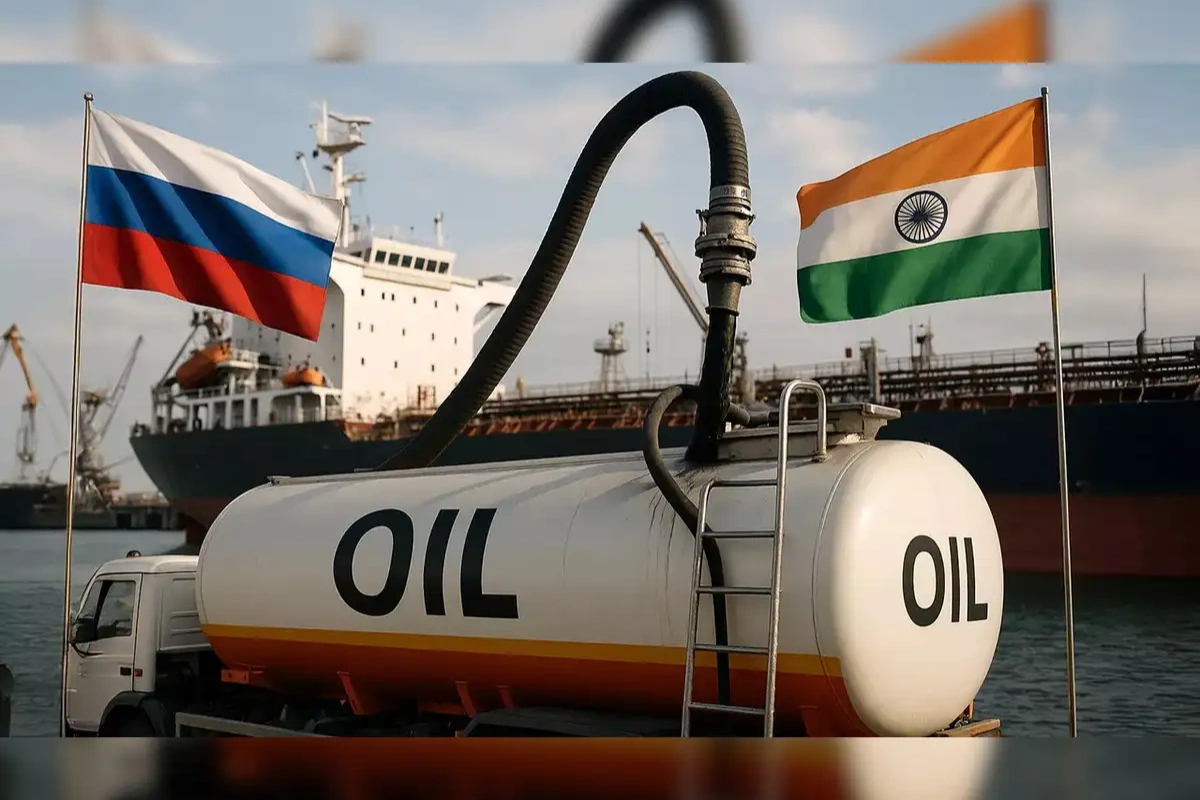
Russian Oil: Starting on April 1, Russia will implement a new ban on exports of gasoline, indicating a shift towards a focus on supplying enough oil domestically, and thus stabilising fuel prices at home and preventing shortages from increased demand during normal seasonal peaks and refinery maintenance cycles.
This is not the first time Russia has restricted gasoline exports, but the timing is very important, given how sensitive the entire worldwide energy market is to political unrest and supply shortages.
DON'T MISS
Why This Matters Globally
Due to Russia’s role as a major supplier of energy to the world’s markets, any restrictions on gasoline exports will limit the amounts available for sale in global markets and could therefore drive prices for fuels up. Many countries depend on imported gasoline and will be facing tighter supply conditions as a result of the restrictions (especially in Asia and parts of Europe).
With continued sanctions and trade realignments taking place, the speed at which global fuel moves throughout the world will be more complicated than usual.
What It Means for India
One of the largest importers of crude oil from Russia, India, will likely experience secondary impacts from the ban. There are currently no restrictions on crude oil exports, only gasoline exports; however, the ban could impact crude oil refining margins and consequently influence products produced by Indian refiners.
If the lack of Russian gasoline exports creates an opportunity for Indian refiners to sell their refined products into international markets, Indian refiners could face additional export opportunities as a result. If the prices for refined products are greater than the expected costs to produce them, Indian refiners would likely feel some domestic pricing pressure as a result of the increased demand for their refined products.
Impact on Fuel Prices and Strategy
Russian Oil: Increased global fuel prices may lead to higher costs for India, primarily dependent on the length of the ban. Still, India’s diversified sourcing strategy, combined with its strong refining capability, offers some protection from short-term shocks.


