


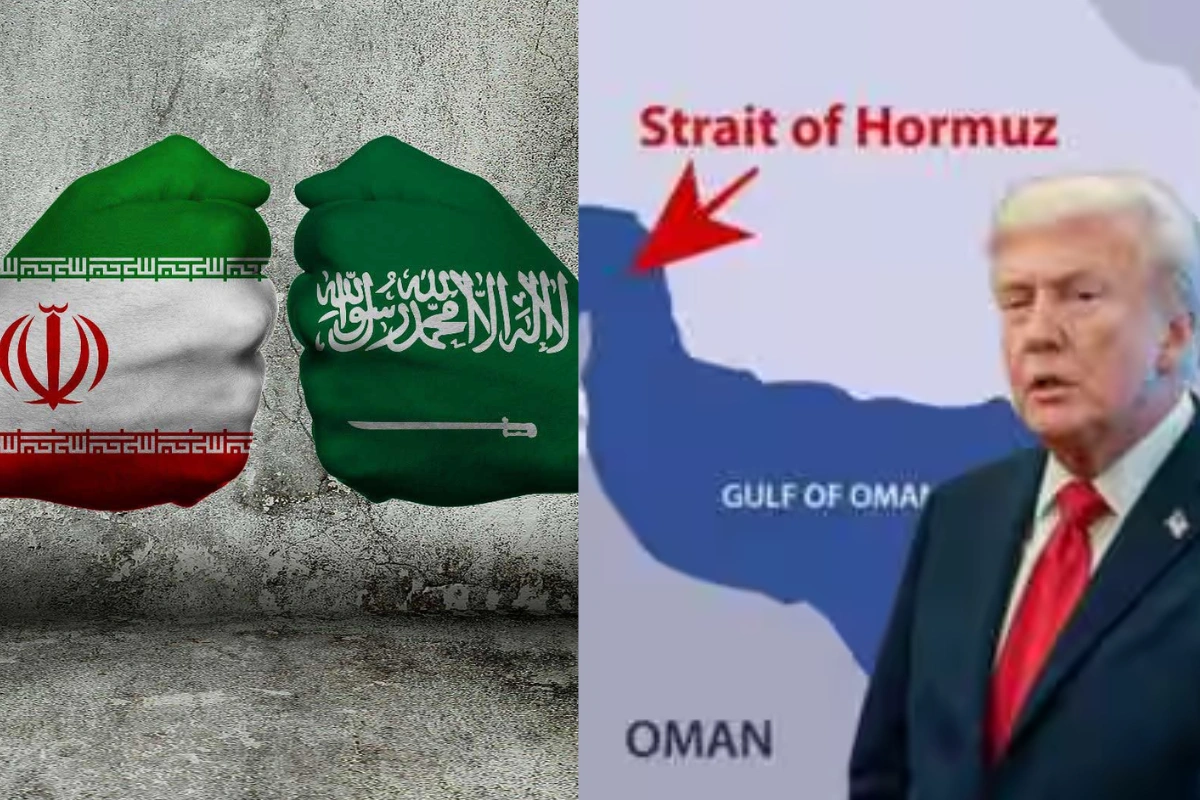
Strait of Hormuz: Tensions in the Middle East have sharply escalated after the United States announced a naval blockade targeting Iranian-linked shipping in the Strait of Hormuz.
DON'T MISS
Why the Strait of Hormuz Matters?
The Strait of Hormuz is one of the most important oil transit chokepoints in the world, carrying nearly 20 percent of global oil supply. Any disruption in this narrow waterway has a direct impact on global energy markets, leading to price spikes and economic instability.
US Blockade Plan: What Happened?
The United States, under Donald Trump, initiated a blockade aimed at stopping ships connected to Iran from accessing its ports. The move came after failed diplomatic talks and ongoing conflict in the region. While the blockade does not fully shut down the strait, it restricts Iranian exports and increases military presence, raising fears of further escalation. Iran has strongly opposed the move, calling it illegal and warning of retaliation.
Saudi Arabia’s Concern and Strategic Pressure
Saudi Arabia finds itself in a vulnerable position. The country exports a large portion of its oil through the Strait of Hormuz, making it highly dependent on the stability of this route. Reports and geopolitical signals suggest that Saudi Arabia is urging the United States to rethink or soften its blockade strategy. The concern is simple:
- Any military escalation could disrupt oil shipments
- A prolonged crisis may damage global demand and supply chains
- Regional instability could directly impact Gulf economies
Global Impact: Markets and Alliances
Strait of Hormuz: The blockade has already triggered reactions worldwide. Oil prices have surged, stock markets have shown volatility, and major global powers have expressed concern. Interestingly, some US allies like the UK have distanced themselves from direct involvement, instead pushing for diplomatic solutions.