Jensen Huang’s reappointment as the CEO of Nvidia has brought joy to Israel’s tech world. Nvidia’s return has made headlines worldwide, but Israel has a unique reason to be happy: it has a close business and tech relationship with the American chip maker, which Jensen Huang, Nvidia CEO, has called the company’s “second home”.Israeli officials see his comeback as a way to help preserve the invaluable relationship that’s propelled the country’s technology industry and economy.
Why Is Israel Celebrating Jensen Huang’s Return?
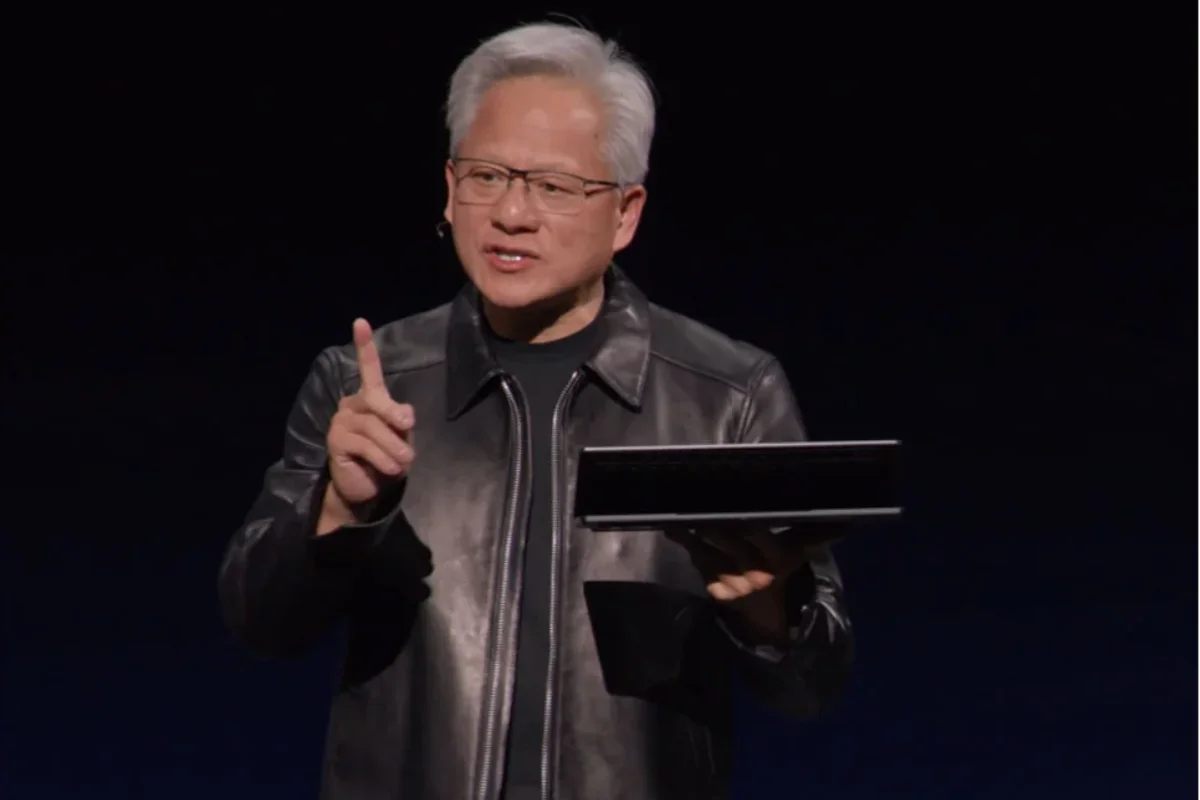
Jensen Huang rejoined as Nvidia’s CEO on November 23, 2026, after having resigned from his position in early November amidst a scandal over his private life. It was a choice made by the company’s board. Prime Minister Benjamin Netanyahu has expressed delight at the announcement, stating that the collaboration between the two companies had been beneficial to both Israel and the firm. Israeli President Isaac Herzog for his dedication to the technology field in the country.
DON'T MISS
Why Does Jensen Huang Call Israel Nvidia’s Second Home?
Israel has established as one of the most crucial technology hubs for Nvidia in the world other than the US. Company has seven research and development centers in the country with a staff of approximately 6,000. These are in the cities of Tel Aviv, Jerusalem, Yokne’am, Ra’anana, and Beersheba. Another new research campus, near Haifa, is expected to be able to support 10,000 employees.
How Did Nvidia’s Mellanox Deal Change Everything?
Nvidia‘s $7 billion+ acquisition of Israeli technology firm Mellanox Technologies in 2020. Mellanox focused on interconnection products, which enable computers and graphics processing units (GPUs) to communicate with each other at high speed. As Nvidia grew its artificial intelligence business, this innovation became even more important.
How Important Is Nvidia to Israel’s Economy?
Nvidia has become an economic lifeline to Israel. As estimated by Al Jazeera, the company’s activities have the potential to increase Israel’s GDP growth by 2.2% percentage points in 2026. The company paid roughly $1.29 billion in taxes to Israel in the year ending January 2026. The extensive workforce, research facilities, and investments in new technology have formed a major economic link between both sides. A more powerful alliance as the global fight for AI technology advances.