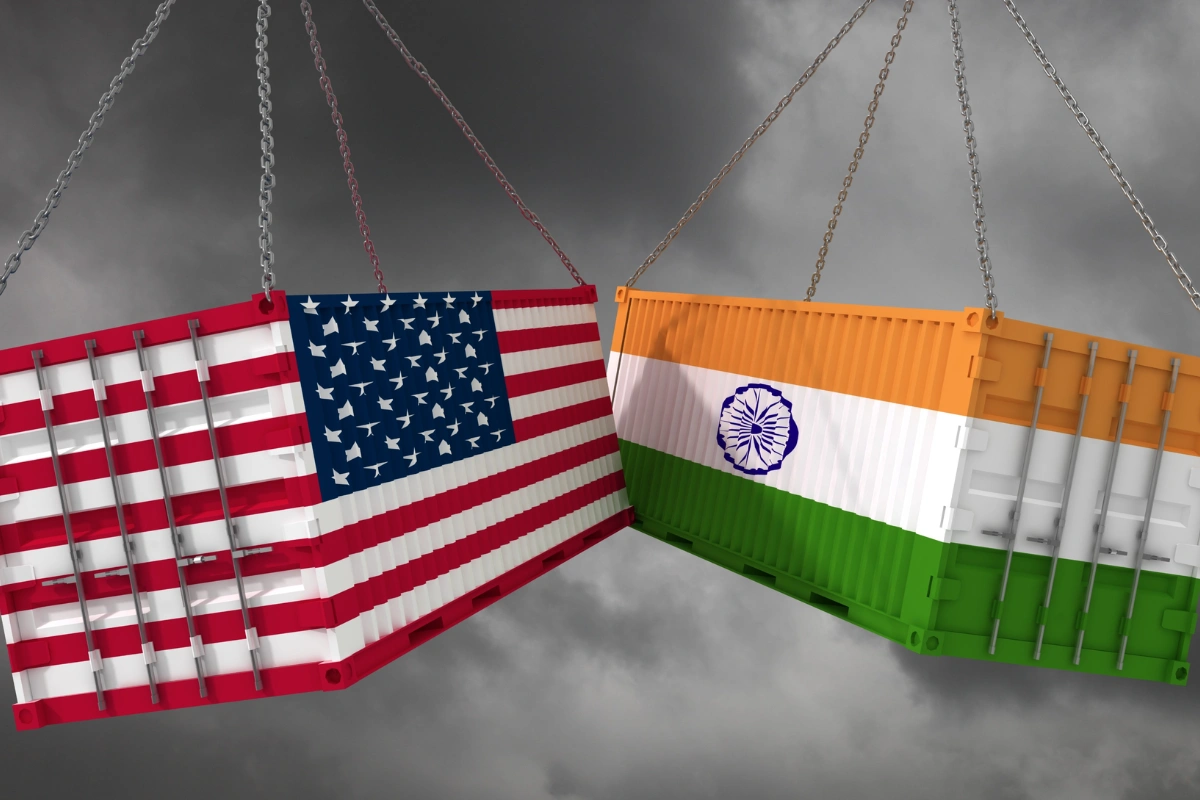
US India Trade Deal: The United States Supreme Court has termed the economic tariffs imposed by President Donald Trump as illegal and unconstitutional. The SC decision may prove quite consequential for the Asian superpower India as the US India trade deal is yet to be signed.
It is difficult to say that the Indian Prime Minister Narendra Modi would now backtrack from the finalized trade deal framework. However, Modi could now ask for a fairer deal and a smarter ask by standing up against a bully USA that has threatened economies across the world.
DON'T MISS
US India Trade Deal-Reduced Risk Of Sudden Tariff Shocks
For a majority of Indian businesses, the most immediate takeaway of the US SC verdict is the minimized threat of across-the-board, abrupt “reciprocal” tariffs that is dictatorially imposed on nations via executive fiat. With its verdict, the US SC has now narrowed down the scope for the US President to impose unconstitutional economic tariffs that have rattled supply chains across the world in the past.
The US SC verdict provides significant relief to Indian export-heavy sectors like auto components, textiles, gems & jewellery, engineering goods, chemicals and industries that have been traditionally stayed vulnerable to discretionary trade actions announced by “dictators with unsound minds” with little warnings.
Preference Now To Institutional Channels
The United States Supreme Court’s verdict would mean that the country’s tariff policy would now go back into Congress-associated statutory frameworks that involve procedural safeguards, formal investigations, political oversight and defined triggers. For countries like India, this translates to clearer timelines, more structured engagement and greater opportunities for mutually-beneficial negotiations before any form of punitive duty is imposed.
It would also help PM Narendra Modi and India gain additional space to negotiate product-specific relief, seek exemptions or align compliance measures instead of defensively reacting to vehemently unconstitutional and unilateral White House announcements.