

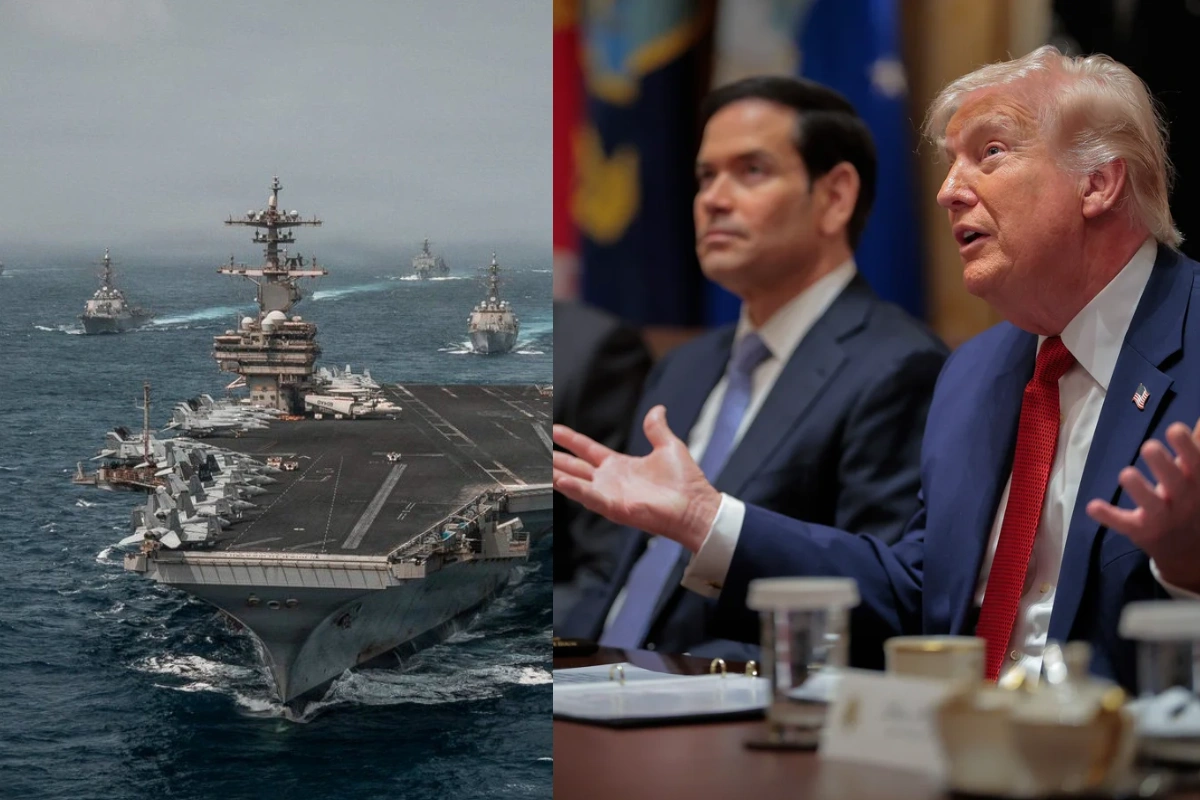
US Iran War: The world is once again watching the Middle East with growing concern as tensions between the and Iran continue to escalate.
Donald Trump’s Warning Raises the Stakes
Donald Trump has issued a strong warning to Iran, making it clear that the United States will respond firmly to any attack on American personnel, military bases, or strategic interests in the region.
DON'T MISS
Why Does the Strait of Hormuz Matter?
The Strait of Hormuz is one of the world’s most important shipping routes, with nearly 20% of global oil passing through it. Any disruption can increase oil prices, affect global trade, and create economic uncertainty worldwide. It is a key strategic waterway connecting the Persian Gulf to international markets.
Global Powers Closely Monitoring the Situation
Countries including the United Kingdom, France, China, Russia, India, and Gulf nations are closely monitoring developments. Many governments have urged both Washington and Tehran to exercise restraint and avoid actions that could trigger a broader regional conflict.
Could Diplomacy Still Prevent a Wider Conflict?
Despite the heated rhetoric, diplomatic channels remain open. Analysts believe that neither the United States nor Iran would benefit from a prolonged military confrontation, given the potential economic and political costs.
Possible paths toward de-escalation include:
- Renewed diplomatic negotiations.
- Third-party mediation by regional or international partners.
- Confidence-building measures to reduce military tensions.
- Agreements to protect commercial shipping in the Gulf.
Can the Strait of Hormuz Issue Be Resolved?
US Iran War: The Strait of Hormuz remains central to the current crisis. While military escalation remains a possibility, many experts believe a negotiated solution is still achievable if diplomatic engagement continues. Whether the region moves toward further confrontation or returns to dialogue will not only shape Middle East security but also influence the global economy and international stability.


