


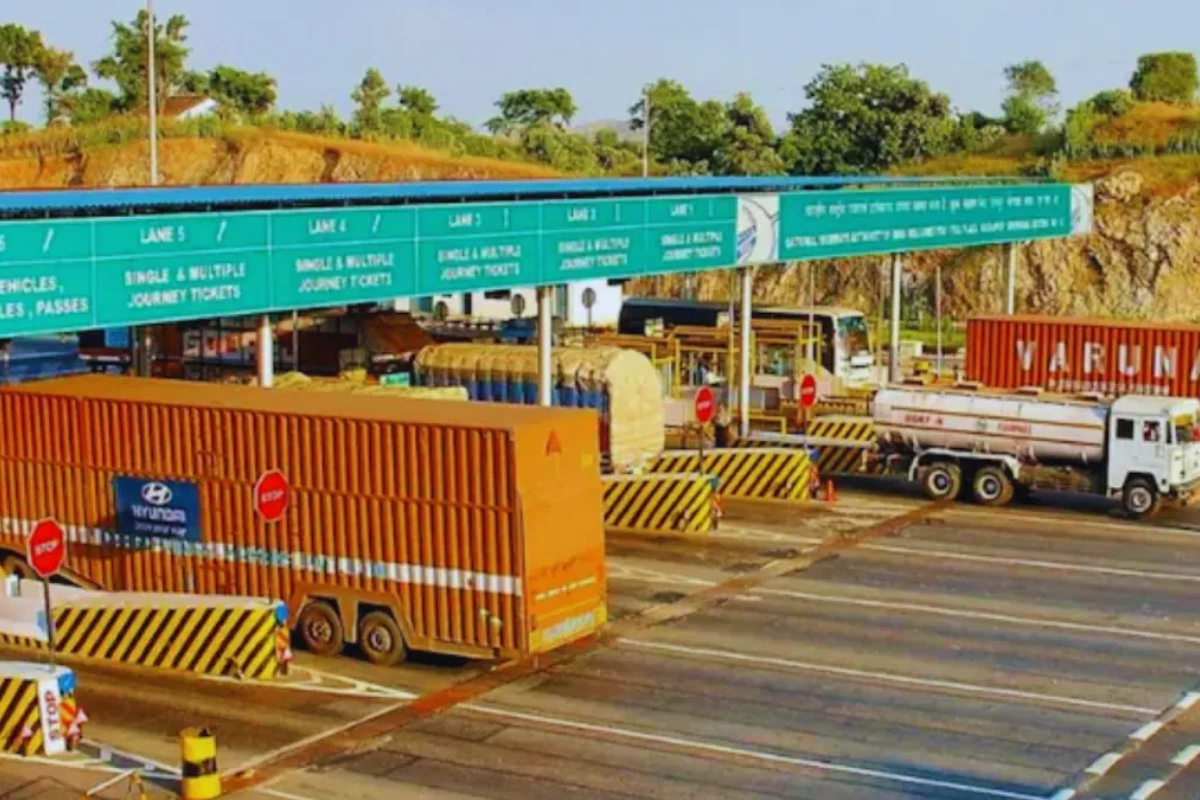
Meerut Delhi Expressway: The National Highways Authority of India (NHAI) has announced toll hikes on the Meerut–Delhi Expressway, opening the doors for more daily commuters to instead opt for Regional Rapid Transit System (RRTS).
Connecting Meerut to Sarai Kale Khan, the Meerut Delhi Expressway toll hike has once again brought the cost of road travel into focus for thousands of daily commuters. The revised toll rates would come into effect from March 31, 2026 (midnight) and the increase would see a price hike of Rs. 5 to Rs. 45.
DON'T MISS
Meerut Delhi Expressway-Toll Hike Details
The toll would be increased to Rs. 175 from Rs. 170 for light vehicles such as vans, cars and jeeps. If the vehicle makes a return within 24 hours, the existing charges of Rs. 255 would now be Rs. 265.
Toll prices for mini buses would be Rs. 285 instead of Rs. 275 and the return journey would be Rs. 425 from Rs. 415. Heavy vehicles like trucks and buses would now have to pay Rs. 595 instead of Rs. 580 and return journey within 24 hours would now be worth Rs. 890 instead of Rs. 875.
Multi-axle vehicles would now pay Rs. 645 instead of Rs. 630, Rs. 1130 instead of Rs. 1105 and Rs. 930 instead of Rs. 905. If the vehicle crosses the toll plaza within 24 hours, they would be paying Rs. 970, Rs. 1700 and Rs. 1395, respectively.
Would Delhi–Meerut RRTS Emerge As A Viable Alternative?
Also known as the Namo Bharat train, the Delhi–Meerut Regional Rapid Transit System (RRTS) has been designed as a high-speed regional transit system. One of the biggest advantages of RRTS is its cost efficiency.
Commuters using the RRTS don’t have to worry about fluctuating fuel prices, especially with the Middle East crisis causing panic buying and inflated fuel prices in the last few weeks. They also don’t have to worry about vehicle maintenance or parking fees. Moreover, they are not burdened by congestion and other unpredictability associated with road travel.


 has announced toll hikes on the Meerut–Delhi Expressway.)