


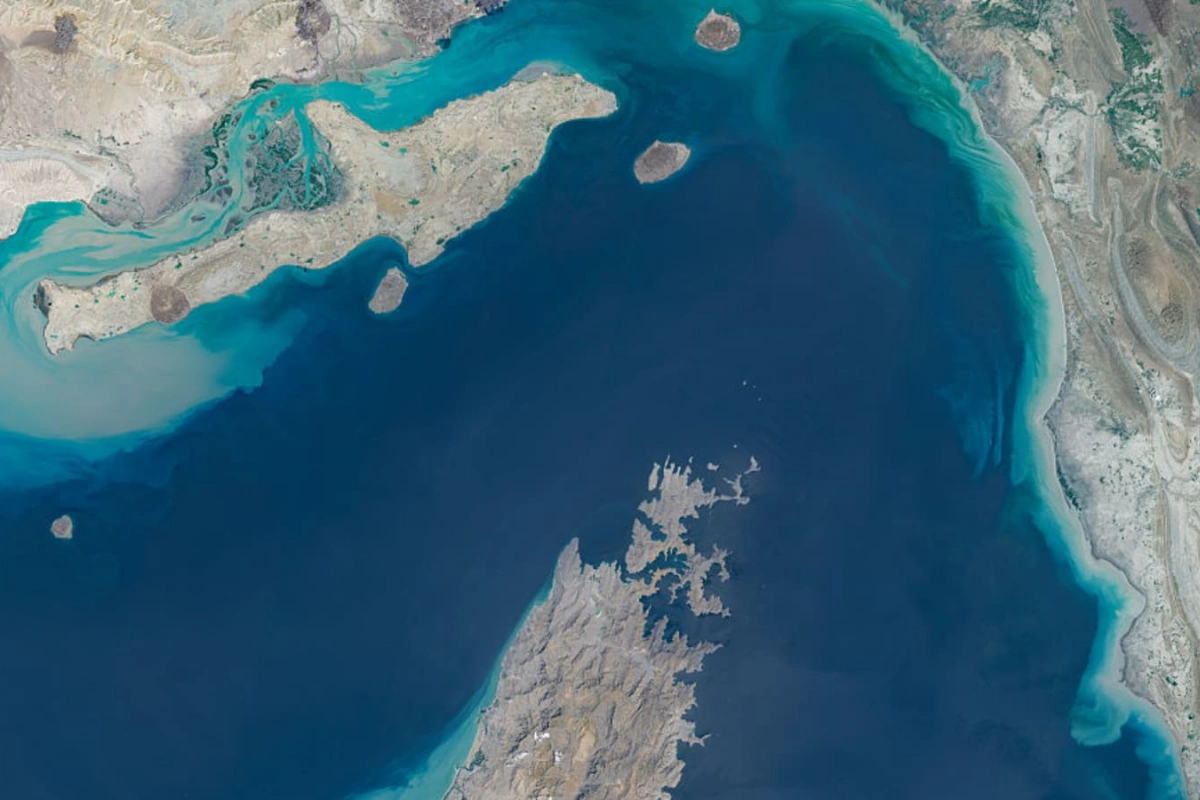
The International energy market, which had been under tremendous stress just days ago, finally got some breathing space. In what can be considered an important geopolitical move, Iran has opened up the Strait of Hormuz, one of the most important oil transit corridors in the world.
What Has Actually Taken Place?
In light of ongoing conflicts in the region and after several weeks of tension and war in the region, Iran announced the opening of the Strait of Hormuz for commercial shipping. This announcement was made against the backdrop of de-escalation measures taken following the ceasefire in the region. There were some disruptions in the region, resulting from increasing tensions among global players in the region.
DON'T MISS
Why Strait of Hormuz Is So Important
The Strait of Hormuz is not just any waterway. It is a global energy lifeline:
- Around 20 percent of the world’s oil and gas supply passes through it
- It connects the Persian Gulf to the Arabian Sea
- Countries like India rely heavily on this route for crude oil imports.
When this route is disrupted, the impact is immediate, with rising oil prices, supply shortages, and global economic pressure.
Big Relief for India
For India, this development is nothing less than a major victory in terms of energy security.
- India depends significantly on oil imports routed through this strait
- Earlier disruptions had already caused concern over fuel supply and price rise
- With the route reopening, supply stability is expected to improve immediately
This means reduced pressure on fuel prices, better supply flow, and more stability for the economy.
Impact on Global Oil Prices
The markets reacted instantly to the news:
- Crude oil prices dropped by more than 10 percent after the reopening.
- Investor confidence improved across global markets
- Energy-related fears started cooling down
This shows how sensitive the global economy is to this single strategic route.