

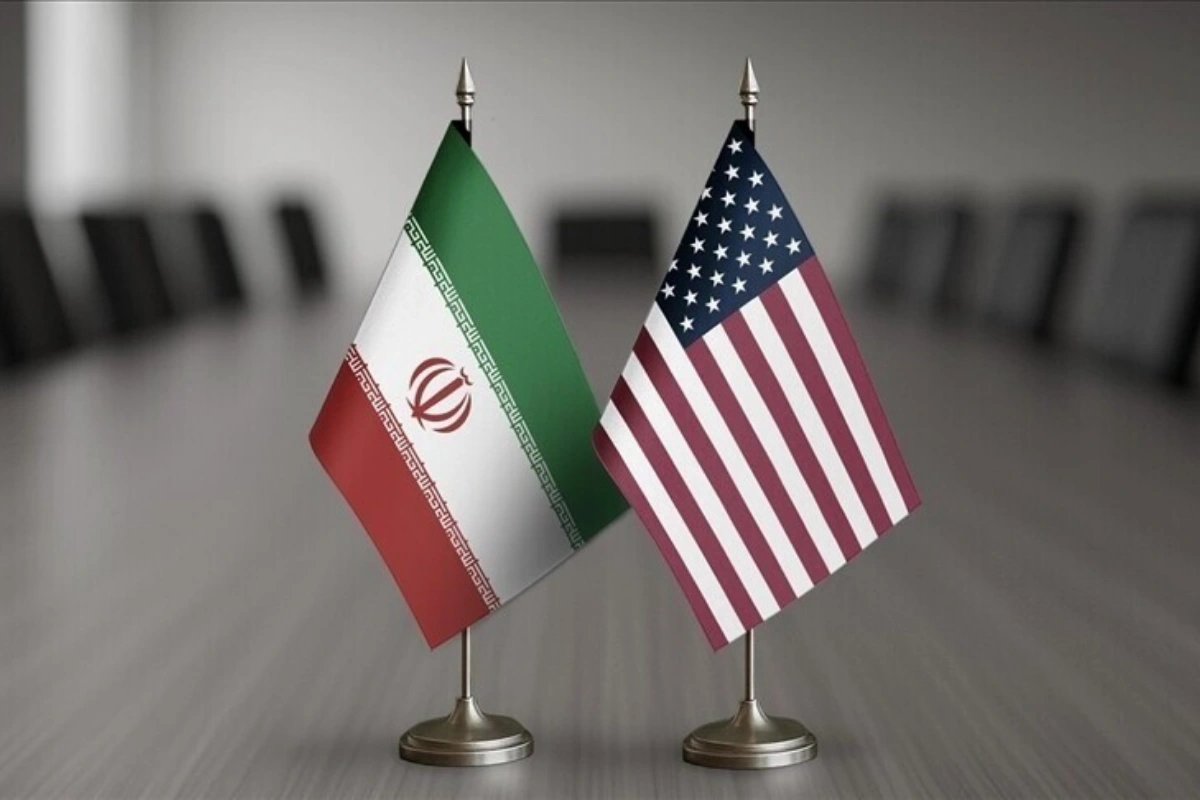
US Iran Deal: In the US, political costs are rising, from scrutiny from Congress to voters’ concerns about foreign entanglements, and policymakers are looking to de-escalate. A negotiated pause can provide a sense of leadership for former President Donald Trump and distract from domestic controversies.
DON'T MISS
Sanctions fatigue and economic pressure in Iran. Long-standing sanctions had devastated Iran’s economy, cutting oil revenues and stoking public discontent. Economic necessity opened Tehran up more to talk that might provide some sanctions relief without full capitulation.
Regional Escalation Risk
US Iran Deal: Recent fighting in the Middle East escalated the risk of an accidental war. Both Washington and Tehran would prefer measured diplomacy over rapid escalation that could destabilise global energy markets and international supply chains.
Shifting International Alignments
European mediators, China’s pragmatic diplomacy and Russian calculations pushed both sides to the table. Multilateral pressure allowed for diplomatic compromise.
Pragmatic Bargaining and Information Warfare Behind-the-scenes intelligence sharing, backchannel diplomacy and message management by both camps reduced mistrust. It could be that Trump’s willingness to negotiate is more a strategic political play than a sign of pure desperation.
Why This Is Important?
A measured US-Iran rapprochement could ease tensions in the Middle East and stabilise oil markets, but there are risks: verification, enforcement and political backlash. Look for sanctions language, inspection language and reaction from Congress.