

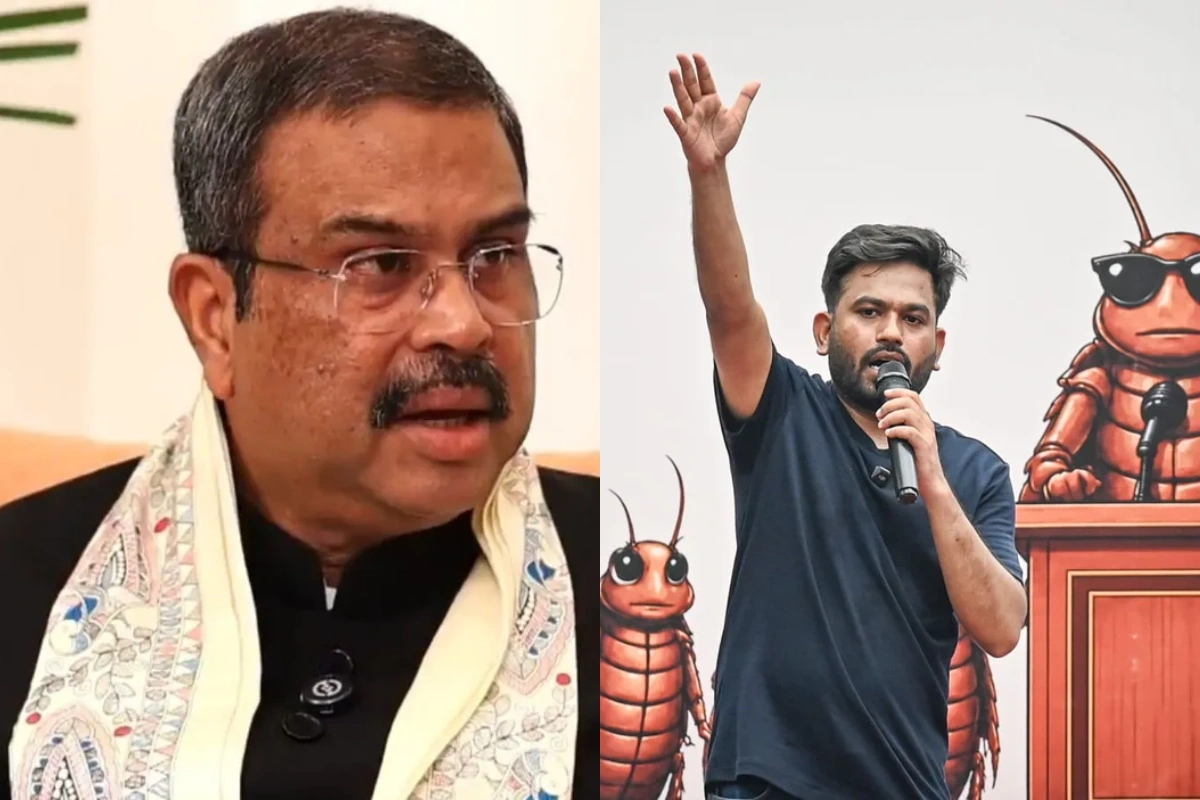
The Education Minister of Union Government, Dharmendra Pradhan, tendered his resignation letter to PM Narendra Modi on grounds of accountability towards the youth and students of India amid a huge uproar in connection with NEET-UG examination.
DON'T MISS
A Protest Movement That Has Gained Strength
This particular CJP protest began as a plea for transparency and accountability in cases of examination irregularities, particularly those involving NEET-UG. While initially a student protest movement, it later became a wider public movement with the involvement of various activists, critics, and people who were worried about the fate of the students.
Role of Abhijeet Dipke
Abhijeet Dipke was the leader of this agitation, continuously pressurizing the government by staging various protests in Jantar Mantar. The resignation call was the core of his campaign.
Why Did the Resignation Happen?
Reports say Dharmendra Pradhan resigned after sustained public pressure and continuing protests across Delhi and beyond. He submitted his resignation to Prime Minister Narendra Modi, making it clear that the government was facing intense scrutiny over the controversy.
What does this mean?
The resignation is being seen as a major win for the protesters, especially those who stood with the CJP movement. It shows how student anger, public pressure, and organized protest can bring a serious political issue to a decisive end.