

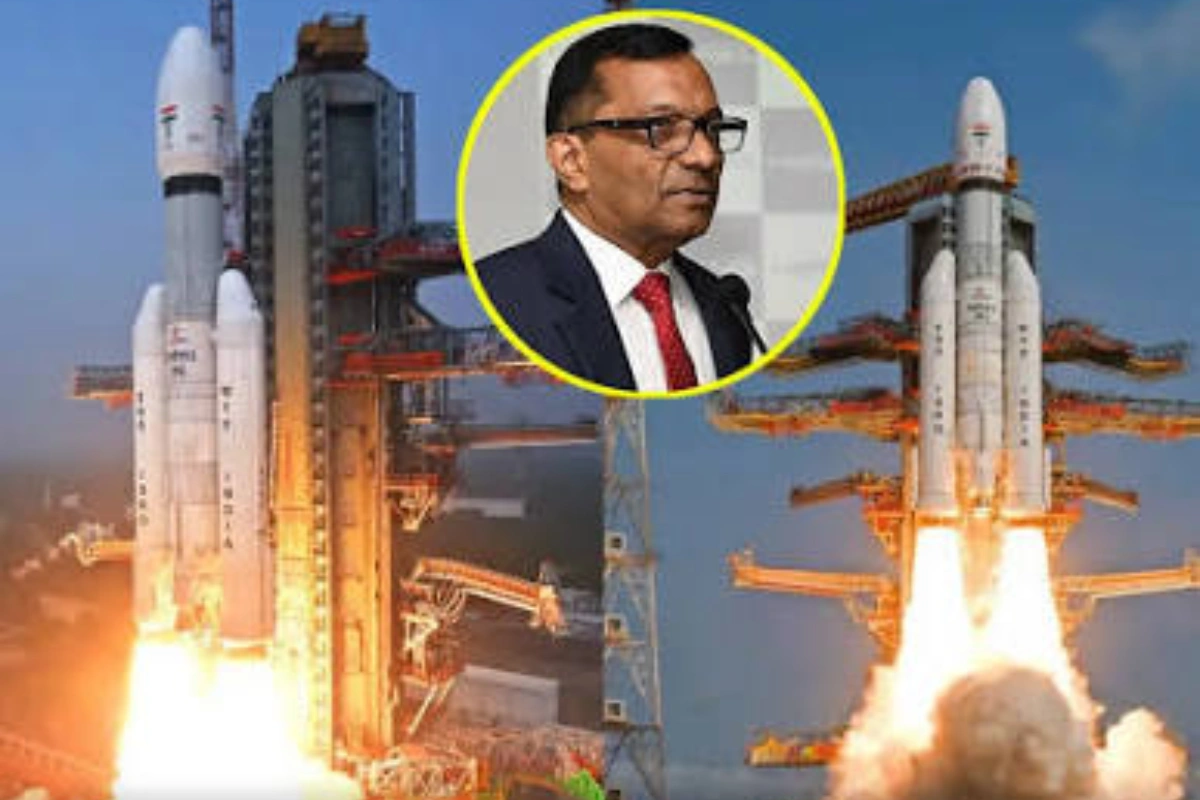
For an organisation that has spent decades building India’s space programme from the ground up, the last few days have brought an unusual bout of anxiety within ISRO’s own ranks. Whispers of privatisation, sparked by remarks from IN-SPACe chairperson Pawan Goenka, have snowballed into a formal protest from nine employee associations demanding clarity on the agency’s future. Now, with both ISRO and Goenka stepping in to calm the storm, the question on everyone’s mind is simple: is ISRO still the bedrock of India’s space ambitions, or is it quietly being nudged into the role of a residual research lab?
DON'T MISS
What Sparked The Fear
The associations pointed directly to remarks made by IN-SPACe chairperson Pawan Goenka on August 21, which many employees interpreted as signalling a shrinking role for ISRO. Worries also centred on proposals to transfer production of the SSLV, PSLV and LVM3 vehicles to private players, along with concerns about job security, recruitment freezes and career progression for existing staff.
ISRO And Goenka Push Back
Responding to the growing unrest, ISRO dismissed the speculation as “misinformation,” stating clearly that the organisation would neither be privatised nor see its importance diminished. It reaffirmed its role as India’s principal institution for advanced space research, strategic missions and frontier space capabilities. Goenka echoed this, asserting that ISRO would “remain the bedrock of the Indian space sector” and continue leading frontier research even as private industry takes on a larger commercial role.
A Hybrid Model In The Works
Despite the reassurances, questions remain over how responsibilities will be divided between ISRO, IN-SPACe and private companies going forward. Experts point to a likely hybrid structure, where ISRO retains core R&D and high-priority national missions while commercial activities move to private entities, backed by a clear transition plan, retraining programmes and safeguards for existing employees.