

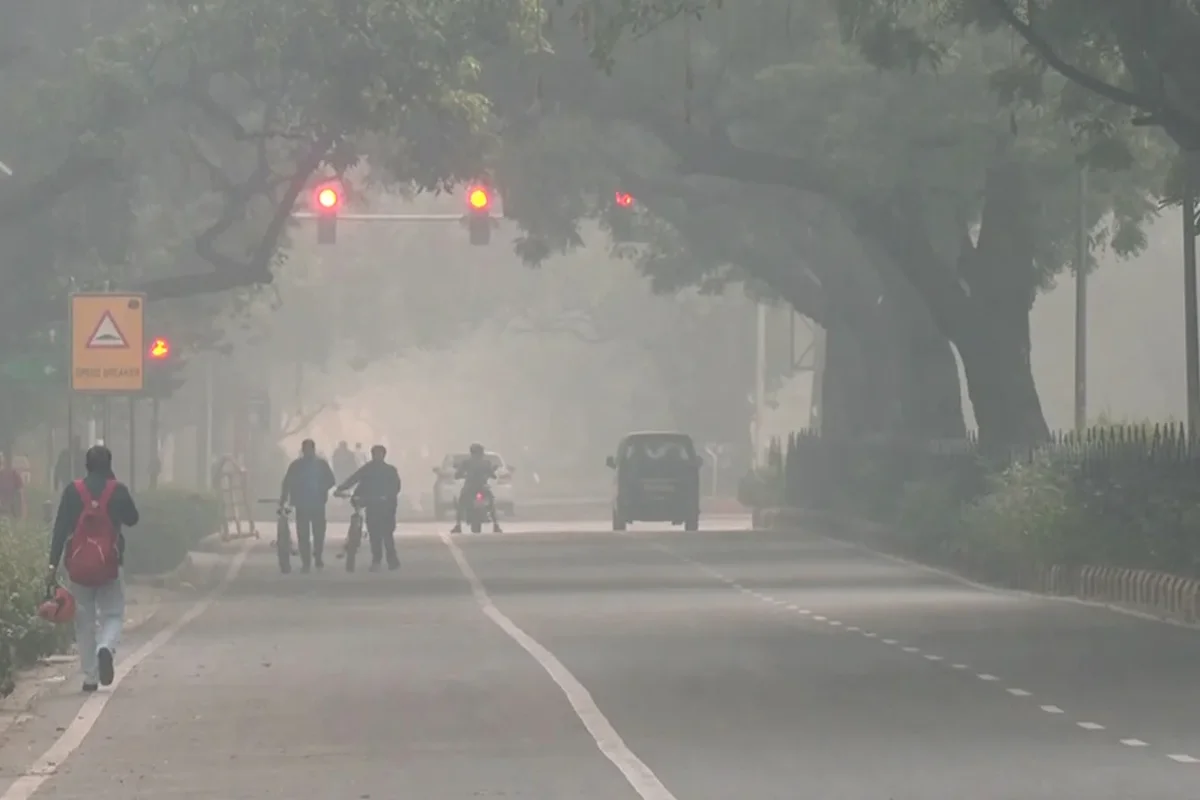
Delhi Pollution: On Thursday, the capital’s AQI settled at 166. Of 44 monitoring stations, 37 reported moderate air, five were in the poor category and two stayed satisfactory. The reading edged up to 173 on Friday and stood at 171 on Saturday morning, still in the moderate band. Moderate air is generally acceptable, but children, older people and those with breathing problems may feel discomfort.
DON'T MISS
Why Pollution Is Rising Early
Falling temperatures are a key reason. Cooler nights and weak winds trap pollutants close to the ground, and smog tends to build quickly once that happens. The Ridge recorded a minimum of 19.6 degrees Celsius, about three degrees below normal. Stubble burning has also begun, with fires reported in Punjab, Uttar Pradesh and Madhya Pradesh. The numbers are still small, but the season has only just started.
What to Expect This Week
Air quality is forecast to stay in the moderate category in the early days of October. Dry weather is expected to continue for now, and rainfall is likely to increase from October 6, which could wash out some pollutants and keep the AQI from climbing sharply. The relief may be short-lived, though. Pollution usually worsens through late October and November as stubble burning peaks and Diwali approaches.
Simple Precautions
Delhi Pollution: Sensitive groups should limit long outdoor exercise in the early morning, when smog is thickest. Keeping windows closed during peak pollution hours and checking the AQI before heading out are sensible habits. Wearing an N95 mask on high pollution days adds some protection.