
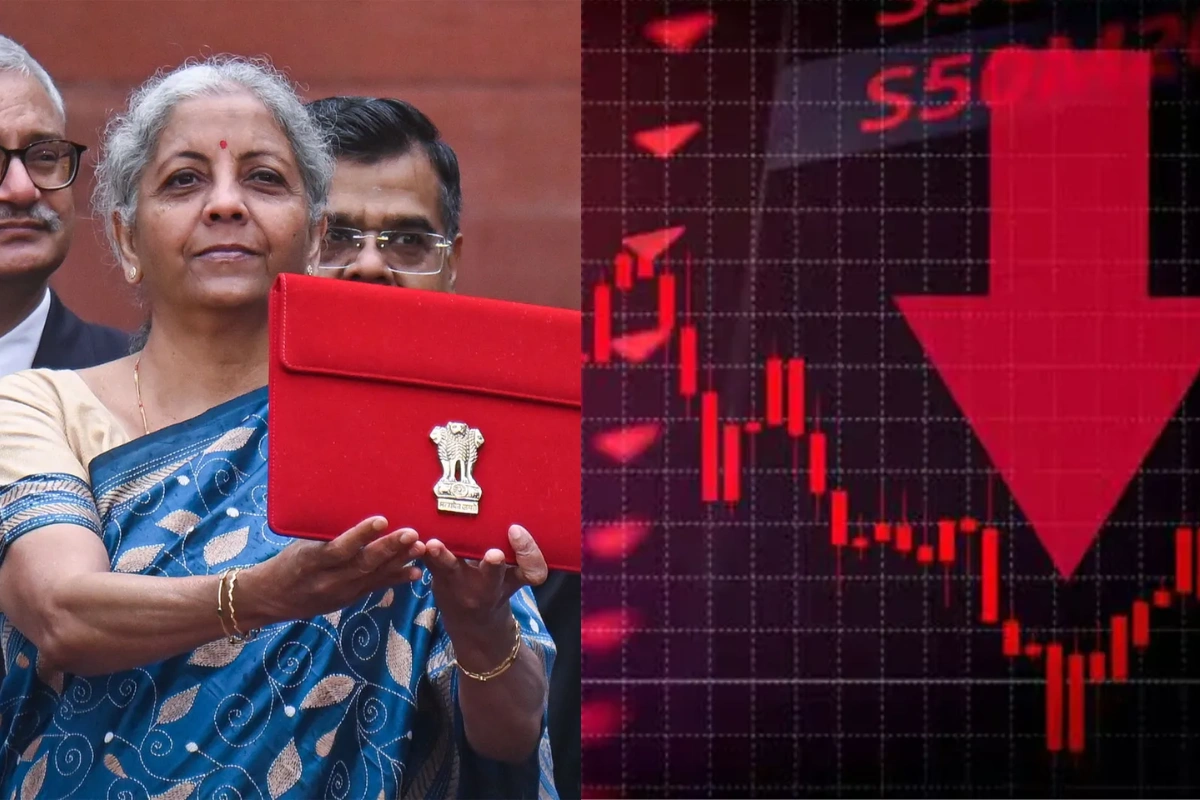
On February 1, 2026, the Sensex shocked investors by crashing sharply after the Budget 2026 announcement instead of rising as expected. High hopes turned into confusion as markets reacted negatively. This blog explains the key reasons behind the sudden fall.
Understanding the Sensex Crash
Key Reasons
1. Hike in Securities Transaction Tax (STT) on Derivatives
One of the most shocking moves in Budget 2026 was the increase in Securities Transaction Tax (STT) on futures and options trading. This was unexpected and not widely anticipated by market participants.
DON'T MISS
- A higher STT increases trading costs.
- Investors and traders reacted negatively, especially those who trade frequently in derivatives.
- Stocks of brokerage and financial firms fell as traders anticipated reduced activity.
2. Massive Market Capitalization Loss
Due to the sudden sell-off, Indian markets saw huge value erosion:
- The Sensex and Nifty fell sharply within hours of the Budget speech.
- An estimated ₹6 lakh crore in market value was wiped out as investors exited positions quickly.
- Most sectors turned red, indicating widespread selling pressure rather than isolated weakness.
3. Lack of New Growth-Boosting Measures
Before the Budget was presented, analysts and investors were expecting:
- Clear measures to boost consumption
- Big reforms to attract foreign investment
- Incentives for businesses and sectors like manufacturing and technology
4. Global Market Sentiment and External Pressures
Although Budget Day is primarily a domestic event, stock markets do not operate in isolation:
- Global markets were showing mixed signals, adding to local uncertainty.
- Investors worldwide were cautious due to macroeconomic concerns.
5. Profit Booking Ahead of Budget
Stock prices had climbed in the days leading up to the Budget. When big events like a national Budget are announced, investors often:
- Book profits rather than buy more
- Shift to safer assets due to uncertainty