

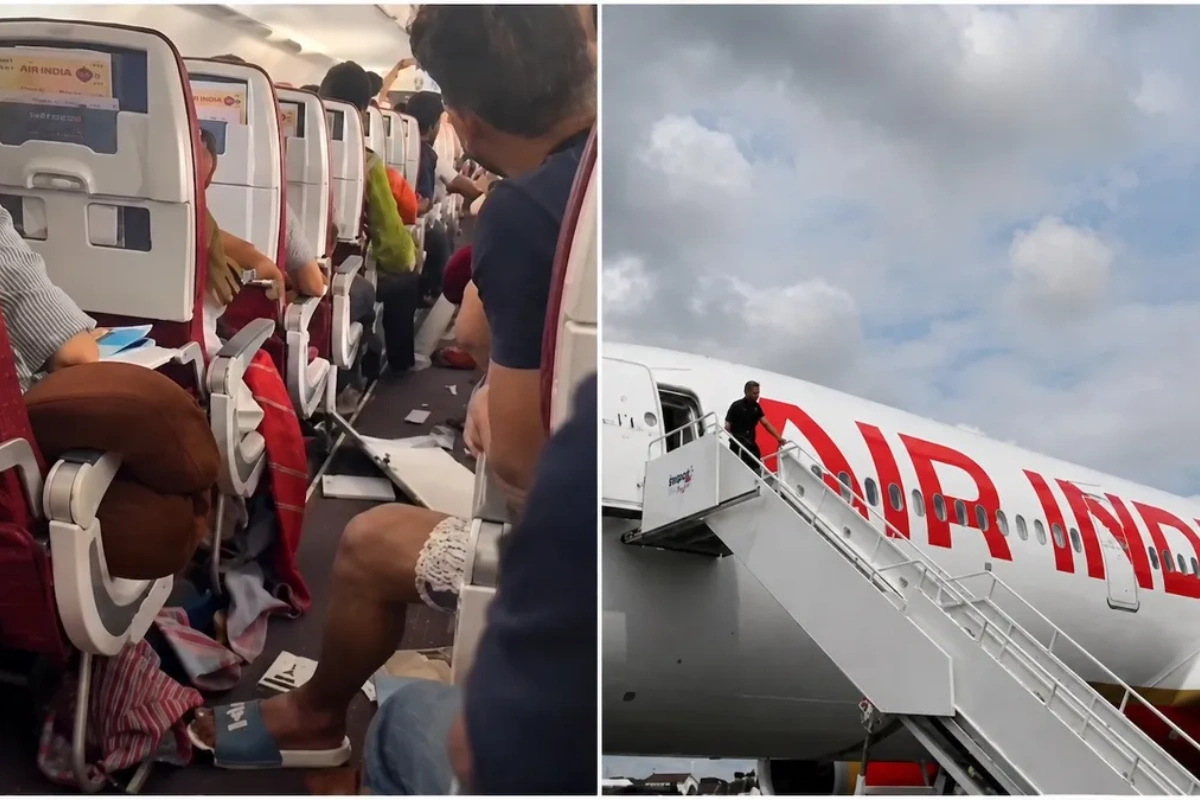
Air India is once again under regulatory scrutiny after the pilot-in-command of a Phuket-Delhi flight tested positive for marijuana following a mid-air emergency, reviving concerns over crew screening and cockpit conduct.
DON'T MISS
What Happened On Flight AI2379
The Airbus A320neo, operating as AI2379 with 137 passengers and eight crew members, suddenly lost about 300 feet of altitude while cruising over Odisha at 36,000 feet on August 4, 2026. The turbulence-linked drop injured at least 17 to 20 passengers and crew. The co-pilot took over, stabilised the aircraft, and landed it safely at Delhi’s IGI Airport.
Cabin Crew Complaint Triggered Testing
Cabin crew reportedly filed a complaint alleging the pilot appeared “high” during the flight, and the co-pilot alerted ground control. This prompted a psychoactive-substance screening rather than a routine breathalyser test. The pilot’s initial result came back “non-negative,” and a second confirmatory test later returned positive for marijuana.
What DGCA Rules Say Next
Under DGCA protocol, a Medical Review Officer must first rule out a legitimate medical or therapeutic explanation before the case is formally classified as drug use. If confirmed, a first offence typically leads to grounding, rehabilitation, and medical evaluation rather than immediate licence cancellation. A second violation carries a three-year suspension, and a third results in cancellation. Both the captain and first officer have been taken off the roster pending the AAIB probe.
Airline Under Wider Scrutiny
The incident adds to a string of safety concerns for Air India, including a January 2026 case of a pilot removed from a Vancouver-bound flight for intoxication, and continued scrutiny following the fatal Ahmedabad Dreamliner crash in June. Air India CEO Campbell Wilson was summoned by the Ministry of Civil Aviation and DGCA to brief officials on the investigation’s progress.


