

A Rare Strain, a Global Emergency: The Ebola variant now spreading across Uganda and the Democratic Republic of Congo is the Bundibugyo strain — rarer, less studied, and without a licensed vaccine or approved treatment. By May 2026, hundreds of suspected cases and multiple deaths had been reported across both countries. The WHO declared it a Public Health Emergency of International Concern. India moved fast.
DON'T MISS
What the DGCA Has Ordered
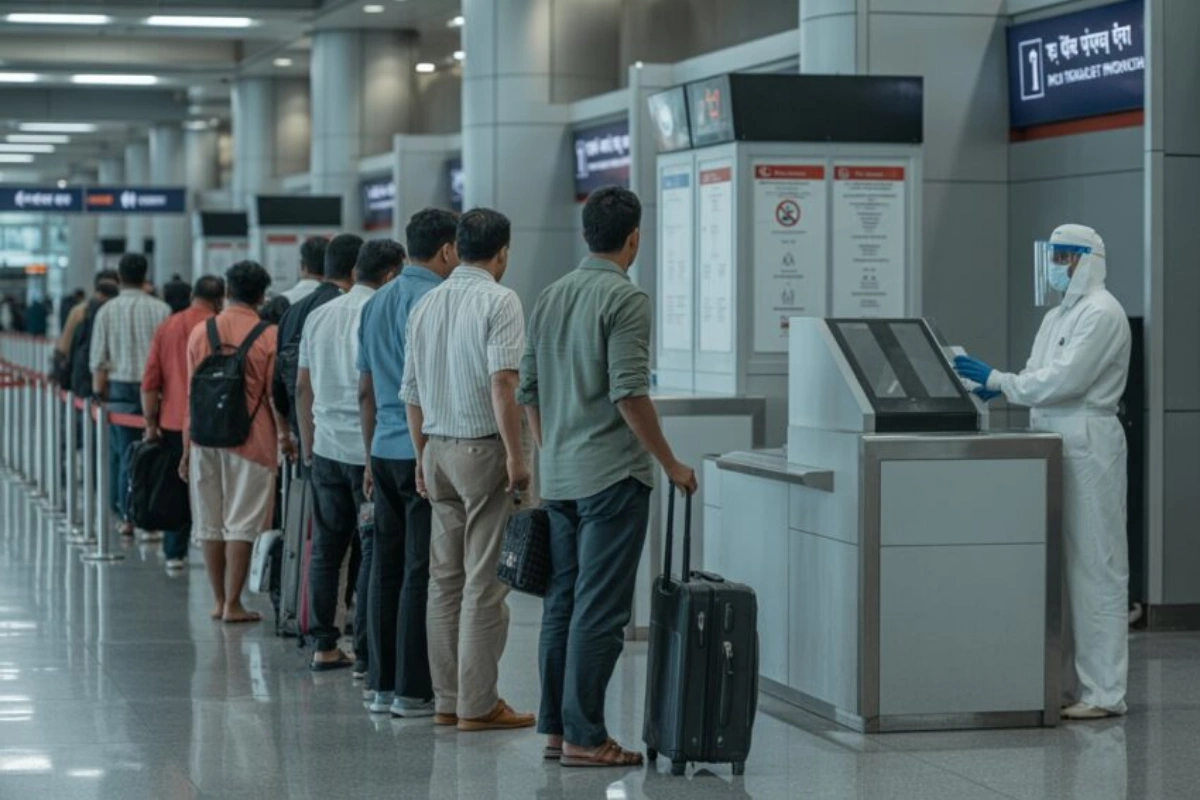
India’s aviation regulator issued a comprehensive Standard Operating Procedure on May 22, acting on the Ministry of Health and Family Welfare directions. Every airline running direct or connecting flights linked to Uganda and the DRC — including Air India, IndiGo, Emirates, and Air France — must now collect physical Self-Declaration Forms from all passengers and crew before anyone disembarks on Indian soil. In-flight announcements must prompt passengers to report fever, vomiting, rashes, or bleeding. Aircraft must carry triple-layer masks, PPE kits, disposable gloves, hand sanitisers, and bio-hazard bags as mandatory inventory.
Ebola: So, is India Actually at Risk?
Ebola: Minimally — but not zero. Health Minister J.P. Nadda confirmed no Ebola case has been detected in India. India has no high-volume direct routes from Uganda or the DRC, which limits the aviation transmission risk considerably. The greater concern is passengers arriving via connecting hubs, which is exactly why the DGCA extended its SOP to cover indirect routes. Anyone returning from affected regions is advised to seek immediate medical attention if symptoms appear within 21 days of arrival.:


