

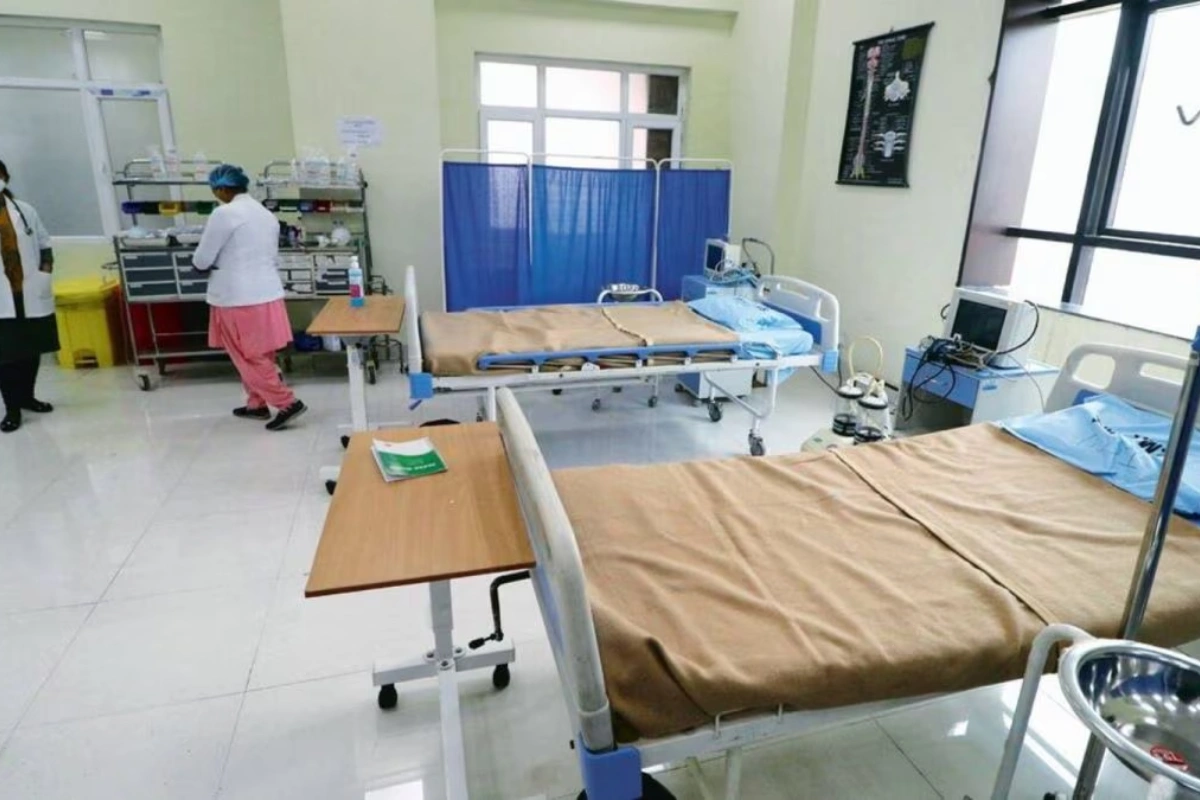
%20is%20a%20zoonotic%20disease%20that%20spreads%20from%20animals%E2%80%94particularly%20fruit%20bats%E2%80%94to%20humans,%20and%20can%20also%20transmit%20through%20human-to-human%20contact.)
India has stepped up health surveillance and containment efforts after five confirmed cases of Nipah virus were reported in West Bengal, triggering concern among health authorities. The cases have been detected in Barasat and nearby areas, with two nurses currently in critical condition, according to officials. Nearly 100 people have been quarantined as part of precautionary measures, while contact tracing is underway to prevent further spread.
DON'T MISS
State health departments, in coordination with central agencies, have activated emergency protocols, including isolation of patients, monitoring of close contacts, and strengthening hospital infection-control practices. Officials said rapid response teams are conducting door-to-door surveillance in affected localities to identify symptoms early and break transmission chains.
What is Nipah virus In India?
Nipah virus (NiV) is a zoonotic disease that spreads from animals—particularly fruit bats—to humans, and can also transmit through human-to-human contact. The virus is known for its high fatality rate and has caused outbreaks in parts of India, especially Kerala, in the past.
Symptoms to watch out for
Health experts have urged the public to remain vigilant and report symptoms immediately. Common symptoms of Nipah virus include:
- Fever and headache
- Cough and sore throat
- Breathing difficulties
- Vomiting and fatigue
- Acute encephalitis (brain inflammation) in severe cases, leading to confusion, seizures, or coma
Early detection is crucial, as symptoms can worsen rapidly.
Public advisory and precautions
Authorities have advised people in affected areas to avoid consuming unwashed fruits, maintain strict personal hygiene, and limit unnecessary travel. Hospitals have been instructed to use protective gear while treating suspected cases, and laboratories are on alert for faster testing and confirmation.
Health officials reassured that the situation is being closely monitored, and there is no cause for panic. However, they emphasized that public cooperation—through timely reporting of symptoms and adherence to health guidelines—remains key to containing the outbreak and preventing community transmission.