

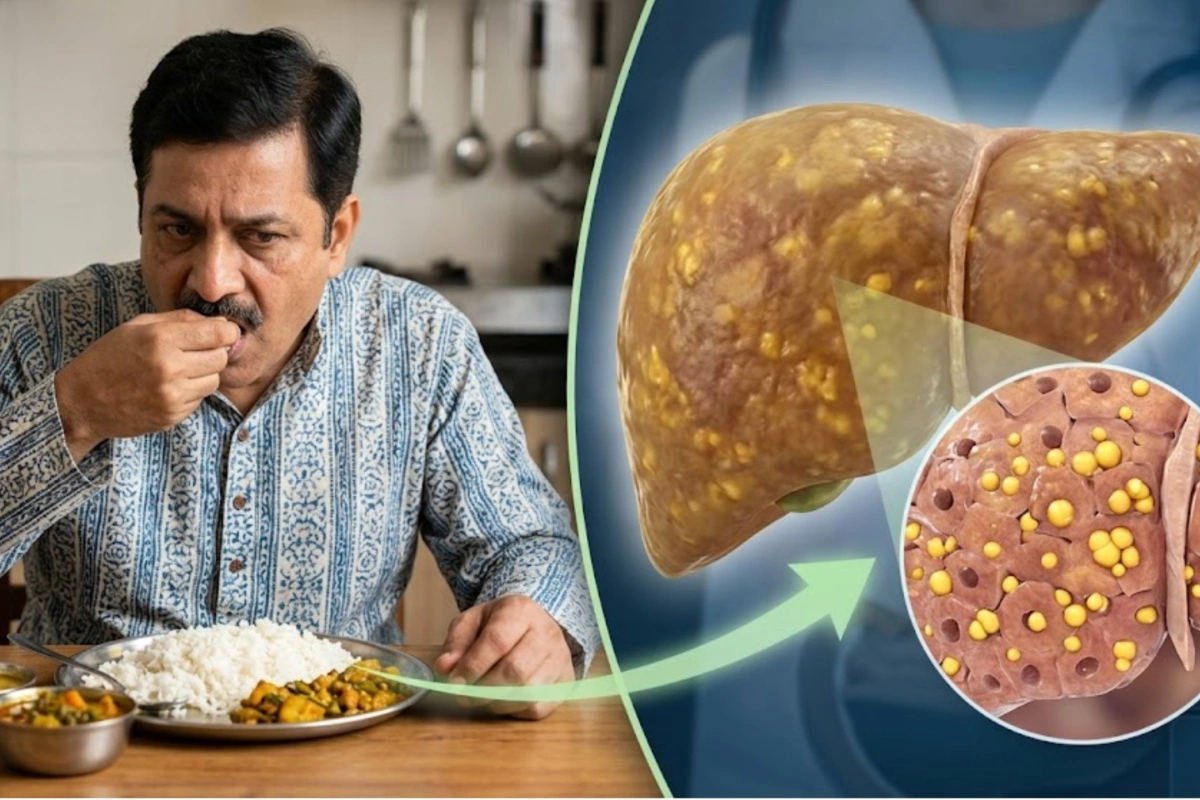
Rice is one of the most commonly eaten foods in many households. It is simple, filling, and easy to digest. But a growing concern among health experts is whether frequent rice consumption can silently affect liver health over time. This question has once again brought attention to the risk of fatty liver.
In a video shared on YouTube, Dr AS Soin, a liver transplant surgeon, explains how the body processes carbohydrates. His explanation has sparked discussion about diet and liver health, especially among people who consume rice daily.
Rice is a high-carbohydrate food, with nearly 88% of its calories coming from carbs. One cup of cooked rice contains around 45–53 grams of carbohydrates. White rice is a refined carbohydrate with a higher glycemic index, while brown rice is a whole grain that contains more fiber. However, both types still contain a similar total amount of carbohydrates, which makes portion control important for liver health.
Dr Soin explains in the video, “In the liver, when we eat carbohydrates, they are absorbed and their metabolism takes place in the liver. The excess carbohydrates get stored, while the rest enter the blood circulation. If carbohydrates are consumed in excess, they start getting stored as fat.”
This process is one of the reasons why excess carbohydrate intake is linked to fatty liver. When the liver continuously receives more carbs than the body needs, it starts storing the extra energy as fat. Over time, this can lead to non-alcoholic fatty liver disease (NAFLD).
How Excess Carbs Impact Liver Function
Experts explain that fatty liver develops gradually and often without clear symptoms in early stages. Diet plays a major role in its progression.
Key effects of excess carbohydrate intake include:
DON'T MISS
- Increased fat storage in the liver
- Higher risk of insulin resistance
- Gradual inflammation of liver cells
- Reduced metabolic efficiency
According to Harvard Health Publishing, “too much added sugar and refined carbohydrates can increase fat buildup in the liver and contribute to NAFLD” (Source: Harvard Health Publishing, Harvard Medical School).

Fatty Liver Alert: What You Should Know About Rice Intake
The concern is not about rice alone but about overall carbohydrate balance in the diet. Fatty liver risk increases when rice is consumed in large portions along with other refined carbs like sugary drinks or processed foods.
Brown rice may offer slightly better fiber content, but moderation is still key. Pairing rice with protein, vegetables and healthy fats can help reduce its impact on blood sugar and liver load.
Doctors suggest simple lifestyle changes to lower the risk of fatty liver, such as:
- Controlling portion sizes of rice
- Increasing physical activity
- Reducing sugar and refined food intake
- Including more fibre-rich foods in meals
Final Note on Fatty Liver Awareness
The discussion around fatty liver highlights how everyday eating habits can influence long-term health. Rice is not harmful on its own, but excessive intake without balance may contribute to liver fat accumulation.
Understanding how the body processes carbohydrates can help people make better food choices.


