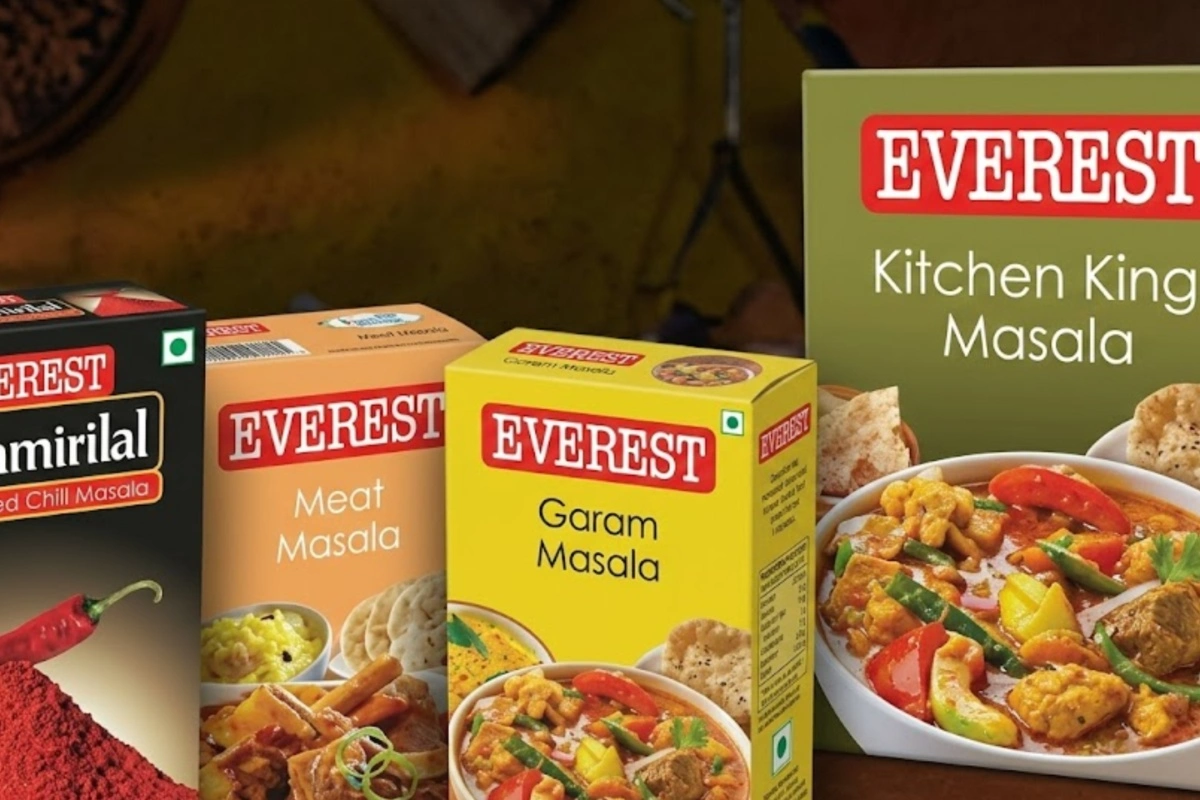
Everest Masala Test: Everest Masala is a name found in millions of Indian kitchens. From daily curries to festive dishes, it is one of the most trusted spice brands in the country. But a recent blind lab test has raised serious questions. Are your everyday spices really safe?
Trustified, India’s first and only 100% blind testing certification program, recently released lab results for four popular variants of Everest Masala. The findings have sparked debate around food safety and regulatory compliance.
For the test, samples were purchased directly from DMart. The bill was kept as proof of purchase. Three boxes of each product were bought. Two were retained, and one sealed box of each variant was sent directly to a certified laboratory for unbiased testing.
The four tested variants were:
- Everest Garam Masala
- Everest Kashmiri Lal Chilli Powder
- Everest Kitchen King Masala
- Everest Meat Masala
Everest Masala Test Findings: What Did the Lab Reveal?
The lab conducted five levels of testing: heavy metals, aflatoxins, synthetic dyes, pesticides and microbiological parameters.
1. Everest Garam Masala
- Mercury was not detected. Other heavy metals were within safe limits.
- All aflatoxins were below LOQ (Limit of Quantification).
- No synthetic dyes were found.
- 21 pesticides were detected. Two exceeded FSSAI safe limits.
- One disease-causing bacteria exceeded FSSAI limits.
Conclusion: Failed as per FSSAI guidelines.
2. Everest Kitchen King Masala
- Heavy metals detected within safe limits, except mercury which was not detected.
- Aflatoxin B1 was detected. FSSAI has not defined a safe limit for it in spices.
- No synthetic dyes found.
- 18 pesticides detected, three above FSSAI limits.
- One bacteria exceeded safe limits.
Conclusion: Failed pesticide and microbiological standards.
DON'T MISS
3. Everest Kashmiri Lal Chilli Powder
- Arsenic and mercury were not detected. Lead and cadmium were within limits.
- All aflatoxins below LOQ.
- No synthetic dyes found.
- 38 pesticides detected, but within Codex limits for chilli powder.
- One bacteria exceeded FSSAI microbiological limits.
Conclusion: Failed microbiological standards.
4. Everest Meat Masala
- Mercury not detected. Other heavy metals within limits.
- All aflatoxins below LOQ.
- No synthetic dyes detected.
- 23 pesticides found, four above FSSAI limits.
- One bacteria exceeded safe limits.
Conclusion: Failed FSSAI safety limits.

What This Means For Consumers
The Everest Masala test results show that all four variants did not fully comply with the Food Safety and Standards regulations. While some parameters were within safe limits, repeated failures in pesticide and microbiological standards raise concerns.
Spices are a daily essential. Even small quantities consumed regularly can matter over time. The Everest Masala findings highlight the importance of independent testing and informed choices.
Consumers should stay aware, check reports carefully and demand better transparency from food brands. When it comes to everyday spices, safety should never be compromised.