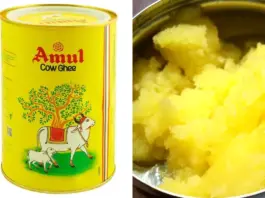
Ghee Test: Ghee sits quietly in most Indian kitchens. We trust it without question. We add it to dal, spread it on rotis, and use it in rituals. But a recent lab examination has raised uncomfortable questions. A blind test video shared by Trustified on YouTube has sparked fresh debate about purity and safety. It has also left many viewers wondering if the ghee they consume every day is truly safe.
Why It Matters So Much To Indian Homes
Ghee is not just food, but a memory. Many of us still remember the strong aroma filling the house when our mothers made ghee at home. Even if a neighbour was preparing it, the smell travelled. Back then, ghee was used to make paneer, butter and curd. These things were rarely store-bought.
Even today, vegetables cooked in ghee taste richer. Dal feels incomplete without a ghee tadka. During childhood train or bus journeys, home-cooked food always had ghee. Parathas made this way do not spoil quickly. That is why ghee earned a place of trust in Indian homes. Its use in rituals and traditions only adds to its importance.
Because ghee is consumed so widely, Trustified decided to test it properly. The platform selected five popular brands that feature in Amazon’s top 10 best-selling list. These were Amul, Patanjali, Country Delight, Mother Dairy and ITC Aashirvaad. Blind orders were placed. Sealed packs from the same batch numbers were sent for lab testing.
Ghee Test: What The Lab Reports Revealed
The first step was to check adulteration. The labs used beta-sitosterol and refractive index tests. These are standard methods to detect mixing with vegetable oil.
DON'T MISS
Mother Dairy cow ghee met both parameters within FSSAI guidelines. No adulteration was found. Amul cow ghee also passed this test. Country Delight and ITC Aashirvaad ghee were within limits as well.
Patanjali stood out for the wrong reason. Beta-sitosterol was detected in its ghee. This indicates adulteration with vegetable oil. Among all five brands, only Patanjali cow ghee failed the purity test.
The next focus was safety. The labs tested for pesticides, which is critical for dairy products. The results were worrying. Patanjali ghee showed high levels of Novaluron and Fipronil. Both were far above safe limits.
Mother Dairy ghee also showed Novaluron and Fipronil above acceptable levels. Amul cow ghee had Novaluron slightly above the limit. Country Delight showed the same issue. ITC Aashirvaad ghee again had both pesticides beyond safe levels.
Trustified confirmed pesticide limits by filing an RTI with FSSAI. The authority replied that acceptable limits in dairy are either zero or extremely low. Even a small breach means the product cannot be considered safe.
Novaluron and Fipronil are fat-soluble pesticides. They build up slowly in the body. Over time, they may affect the nervous system. They can also harm growth, liver health, and hormonal balance.

What Does This Ghee Test Conclude?
To sum up the results, one brand failed both purity and safety checks, and others passed purity but failed safety tests. This Ghee Test has made one thing clear. Blind trust is no longer enough. Consumers need transparency, stricter checks and clearer answers about what reaches their plates.