


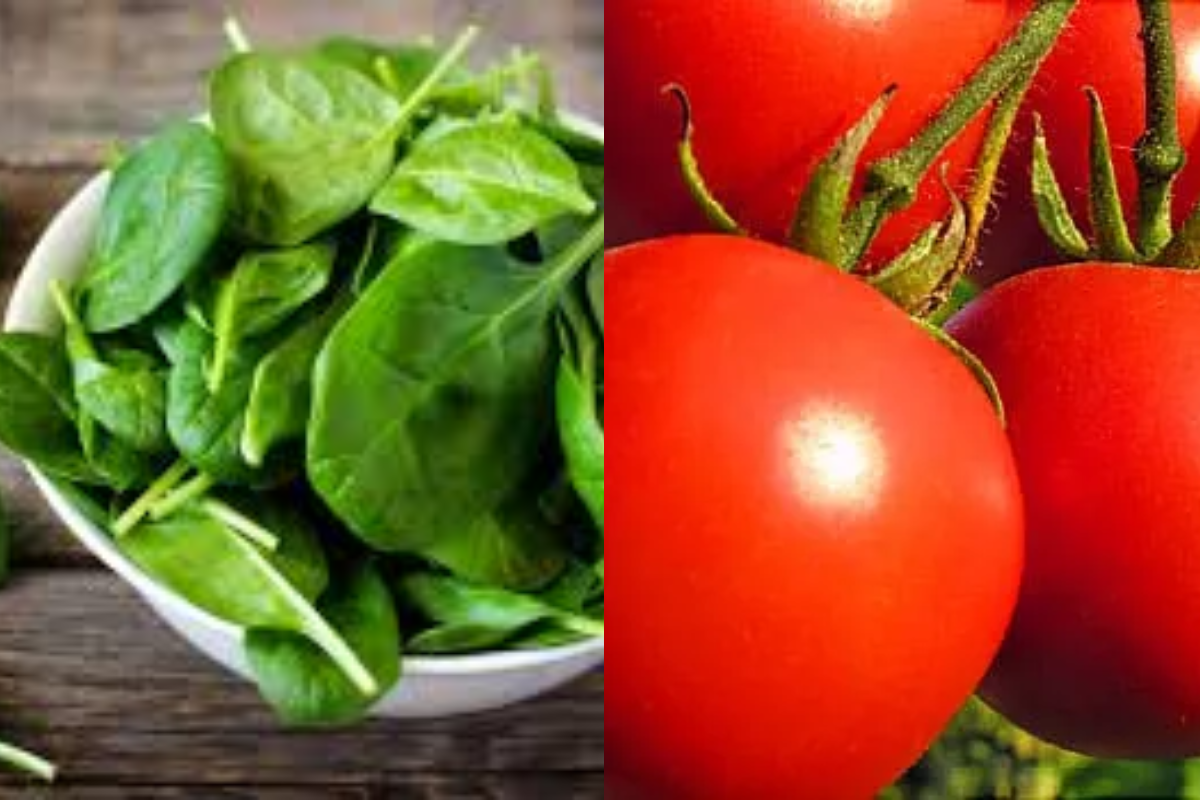
Kidney Stones: Medically referred to as nephrolithiasis, kidney stones are among one of the most painful urological conditions, affecting millions of people worldwide. They develop when minerals and salts crystallize within the kidneys, often due to a combination of dietary habits, hydration status, genetics and metabolic factors.
Over the years, certain foods, particularly spinach and tomatoes, have been repeatedly singled out as potential culprits in stone formation. This has led to widespread dietary confusion, with many individuals unnecessarily eliminating nutritious foods out of fear.
DON'T MISS
How Spinach May Contribute To Formation Of Kidney Stones?
Spinach is rich in oxalates, naturally occurring compounds found in many plant-based foods. Oxalates can bind with calcium in the body to form calcium oxalate crystals, which are the most common type of kidney stones. When consumed in high quantities, especially in individuals predisposed to stone formation, spinach can increase urinary oxalate levels.
From a clinical perspective, patients who already have a history of calcium oxalate stones are often advised to moderate their intake of high-oxalate foods, including spinach. The risk becomes more pronounced when spinach consumption is combined with low calcium intake. This is because dietary calcium, when consumed alongside oxalates, actually helps bind oxalate in the gut, preventing its absorption into the bloodstream and eventual excretion through the kidneys.
Tomatoes And Kidney Stones
While tomatoes do contain small amounts of oxalates, their levels are significantly lower compared to spinach. In most cases, tomatoes are not a primary contributor to stone formation.
One reason tomatoes have been unfairly blamed is due to their seeds, which some believe can accumulate in the kidneys. However, there is no scientific basis for this claim. The body does not process tomato seeds in a way that would lead to stone formation. In fact, tomatoes are a good source of vitamin C, potassium and hydration, all of which can support kidney health when consumed appropriately.
Rather than fearing specific foods, focus on building a well-rounded lifestyle that supports long-term kidney function and overall wellness.
Disclaimer: This content, including advice, provides general information only. It is not a substitute for a qualified medical opinion in any way. The methods and claims mentioned in this article should be considered as suggestions only; DNP India neither confirms nor denies them. Always consult a doctor before following any such suggestions/treatments/medications/diets.