

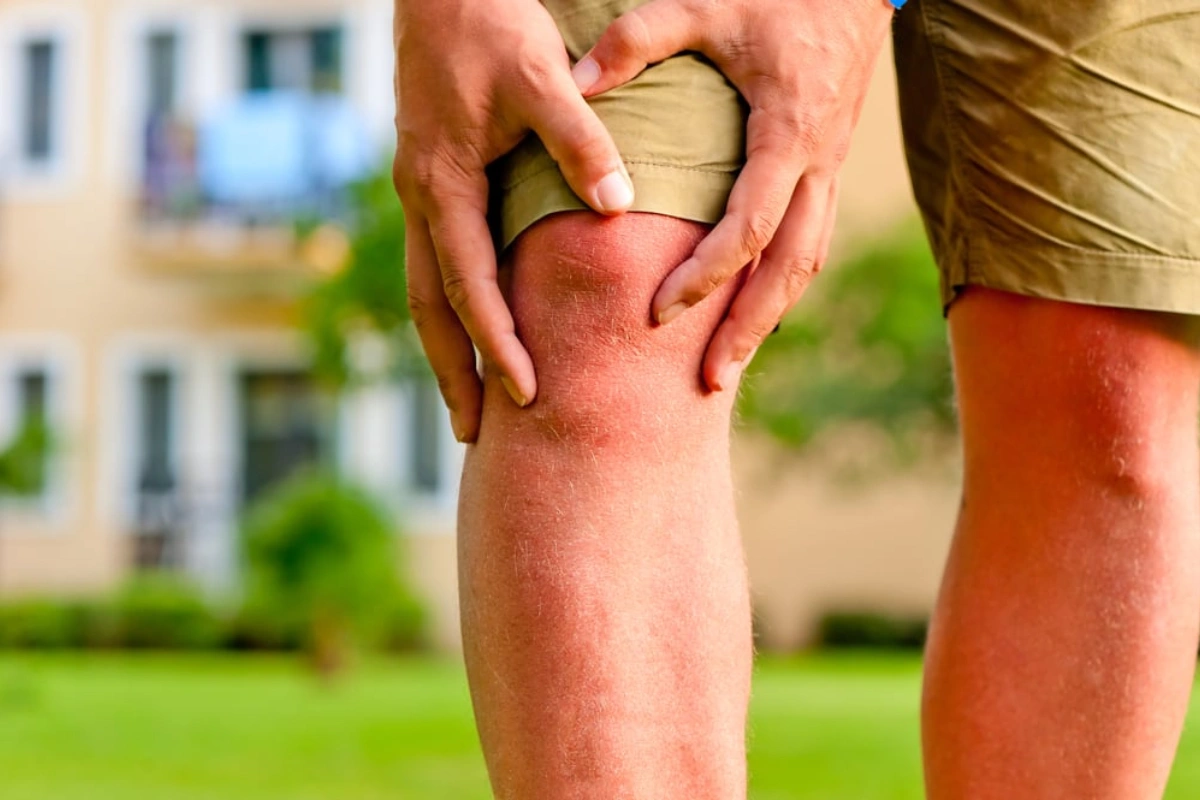

Knee Crackling: Knee Crackling (also known as popping noises or crepitus) is a serious health concern for a majority of elderly people, even people in their late 30s and early 40s. While usually harmless, persistent sounds originating from knee accompanied by pain do warrant immediate attention to prevent long-term joint issues.
Expert Opinion
Dr Manpreet Kalra, Masters Public Health (Germany) and M.Sc. Nutrition (Lady Irwin college), shares her expert opinion on the causes, symptoms, treatment options, tips and precautions associated with Knee Crackling.
DON'T MISS
Knee Crackling-Causes, Symptoms And Treatment Options
Primarily, knee crackling while ascending stairs happen due to abnormalities in the patellofemoral joint where the kneecap glides over the thigh bone. Grinding sensations are created by rough cartilage surfaces, exacerbated by knee bending under body weight. Usually, muscle imbalances such as weak inner thigh muscles tend to pull the kneecap off-track, resulting in improper gliding and noise.
Ideally, individuals diagnosed with knee crackling should start with a conservative RICE (Rest, Ice, Compression and Elevation) protocol. To get started, high-impact activities such as jumping jacks, jumping rope or squat jumps should be reduced. Ice should be applied several times for 20-30 minutes every day. Compression should be facilitated via elastic bandage and elevation must happen above heart level.
When it comes to physical therapy, individuals should focus on vastus medialis oblique (VMO) exercises such as terminal knee extensions or wall sits to stabilize the patella.
The common symptoms of knee crackling are pain under or around the kneecap, sharpening with squatting, stair use or prolonged sitting. Stiffness, swelling or a “giving away” sensation may accompany it, indicating misalignment or inflammation.
Disclaimer: This content, including advice, provides general information only. It is not a substitute for a qualified medical opinion in any way. The methods and claims mentioned in this article should be considered as suggestions only; DNP India neither confirms nor denies them. Always consult a doctor before following any such suggestions/treatments/medications/diets.