

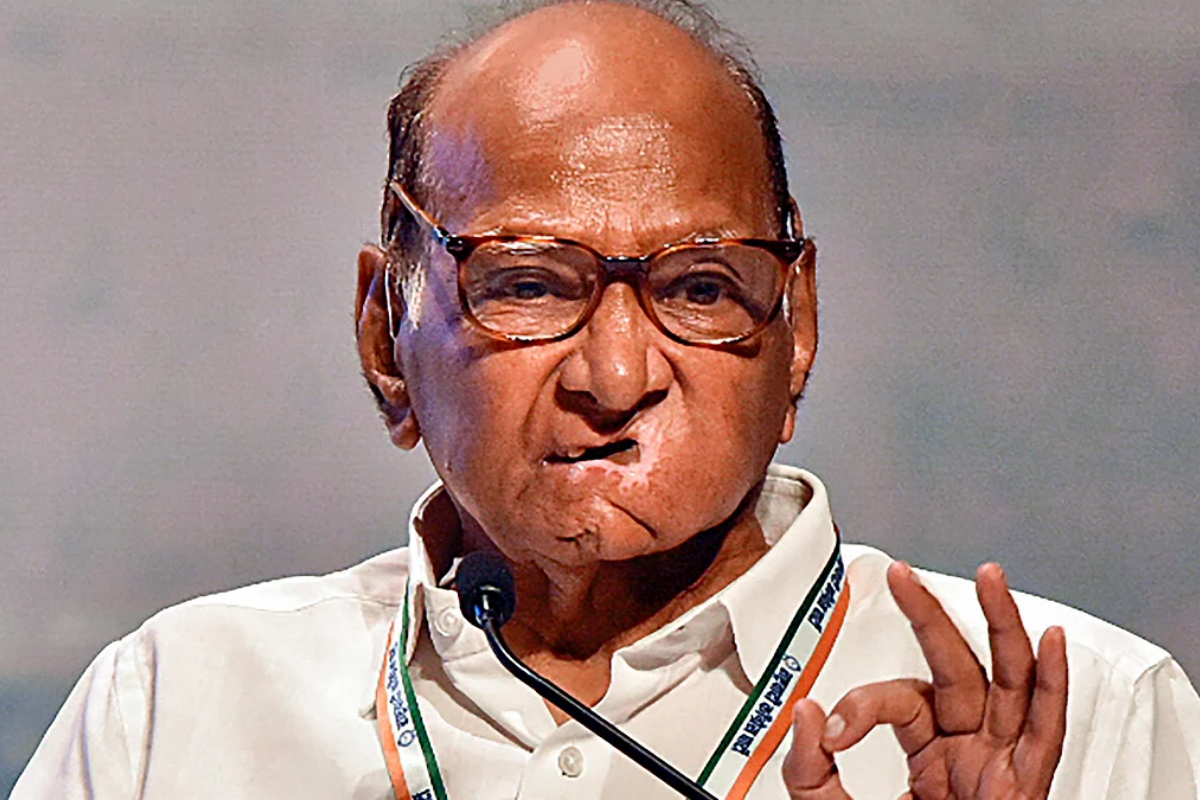
Nationalist Congress Party (NCP) chief Sharad Pawar has been hospitalised for medical treatment, triggering widespread attention across Maharashtra’s political circles. The veteran leader, known for his enduring influence in state and national politics, was admitted following health-related concerns, according to people familiar with the development. Details regarding the nature of the treatment remain limited, and there has been no official word on the expected duration of his hospital stay.
DON'T MISS
Political Significance of Pawar’s Health
Sharad Pawar’s health often becomes a matter of public and political focus due to his central role as a consensus-builder and strategist. At 80-plus, Pawar continues to shape political alignments, guide party decisions, and influence coalition dynamics. His hospitalisation has prompted close monitoring from allies and rivals alike, reflecting the weight his presence carries in Maharashtra’s power equations.
Reactions Across Party Lines
Leaders from multiple parties have expressed concern and extended wishes for his recovery. Within the NCP, senior functionaries are reportedly in touch with doctors and family members for updates. The development has also sparked conversations within the ruling and opposition camps, as Pawar is widely regarded as a key figure capable of altering political strategies, particularly during periods of alliance negotiations or electoral planning.
No Immediate Political Disruption
Despite the attention surrounding his health, there has been no indication of any immediate disruption to party functioning. NCP leaders have conveyed that organisational work continues as planned, with senior leadership handling routine responsibilities. Pawar has previously demonstrated an ability to remain engaged with political affairs even during periods of medical rest.
A Leader Whose Presence Shapes the State
Over the decades, Sharad Pawar has earned the reputation of a political kingmaker, playing decisive roles in government formation and crisis management. His hospitalisation, therefore, is not viewed merely as a personal health update but as a development with broader political implications.


