

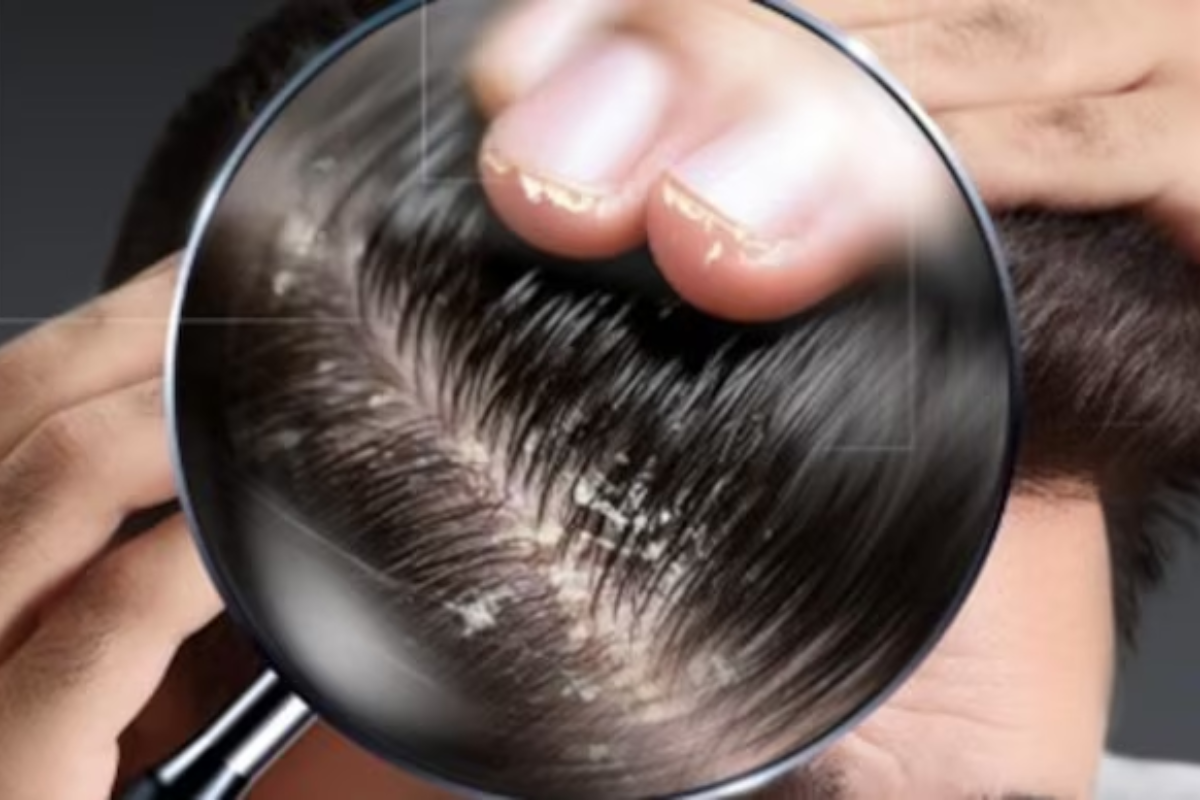
Oily Scalp: An oily scalp can feel like a never-ending battle. You wash your hair, and within a few hours or a day, it looks greasy again. Add scalp flakes into the mix, and it becomes even more confusing. Is it dandruff or something more serious such as early hair thinning?
What Causes An Oily Scalp?
The human scalp naturally produces sebum, an oily substance that protects and moisturizes the skin. However, when sebaceous glands become overactive, excess oil accumulates. This can be triggered by several factors:
- Hormonal fluctuations
- Hot, humid weather
- Over-washing or harsh shampoos
- Poor diet
- Stress
It is important to note here that stripping the scalp with aggressive cleansing can backfire. When the scalp is overly dry, it signals the glands to produce even more oil, creating a vicious cycle.
DON'T MISS
What Are Scalp Flakes?
Flakes on an oily scalp are commonly associated with dandruff, but not all flakes are the same.
Oily dandruff (seborrheic dermatitis) is the most likely culprit. It appears as yellowish, sticky flakes accompanied by itchiness and redness. This condition is linked to an overgrowth of a yeast-like organism that thrives in oily environments.
On the other hand, dry flakes are smaller, white, and powdery that often caused by dehydration or harsh hair products.
Misidentifying the type of flaking can lead to using the wrong treatments. For instance, applying heavy oils on an already oily, dandruff-prone scalp can worsen the problem.
When Oil Leads To Hair Fall?
An oily scalp, if not managed properly, can clog hair follicles. This buildup combined with sweat, dirt and dead skin creates an unhealthy environment for hair growth.
Over time, this can lead to:
- Weakening of hair roots
- Increased hair shedding
- Slower regrowth
- Inflammation around follicles
In more severe cases, chronic scalp inflammation can disrupt the hair growth cycle, pushing more hair into the shedding phase.
Dermatologist-Backed Solutions
Look for gentle, sulphate-free shampoos that cleanse without stripping natural oils. Ingredients like salicylic acid, zinc or ketoconazole can help control dandruff and reduce oiliness when used appropriately.
- Applying thick oils directly to an already oily scalp can clog pores and worsen dandruff. If you do oil your hair, keep it minimal and focus on the lengths rather than the scalp.
- Apply conditioner only to the mid-lengths and ends of your hair to prevent dryness without increasing scalp oiliness.
- If you exercise regularly or spend time outdoors, rinsing your scalp or using a mild cleanser can prevent buildup.
- Incorporate fresh fruits, vegetables, and adequate hydration to support overall skin health.
Disclaimer: This content, including advice, provides general information only. It is not a substitute for a qualified medical opinion in any way. The methods and claims mentioned in this article should be considered as suggestions only; DNP India neither confirms nor denies them. Always consult a doctor before following any such suggestions/treatments/medications/diets.


