


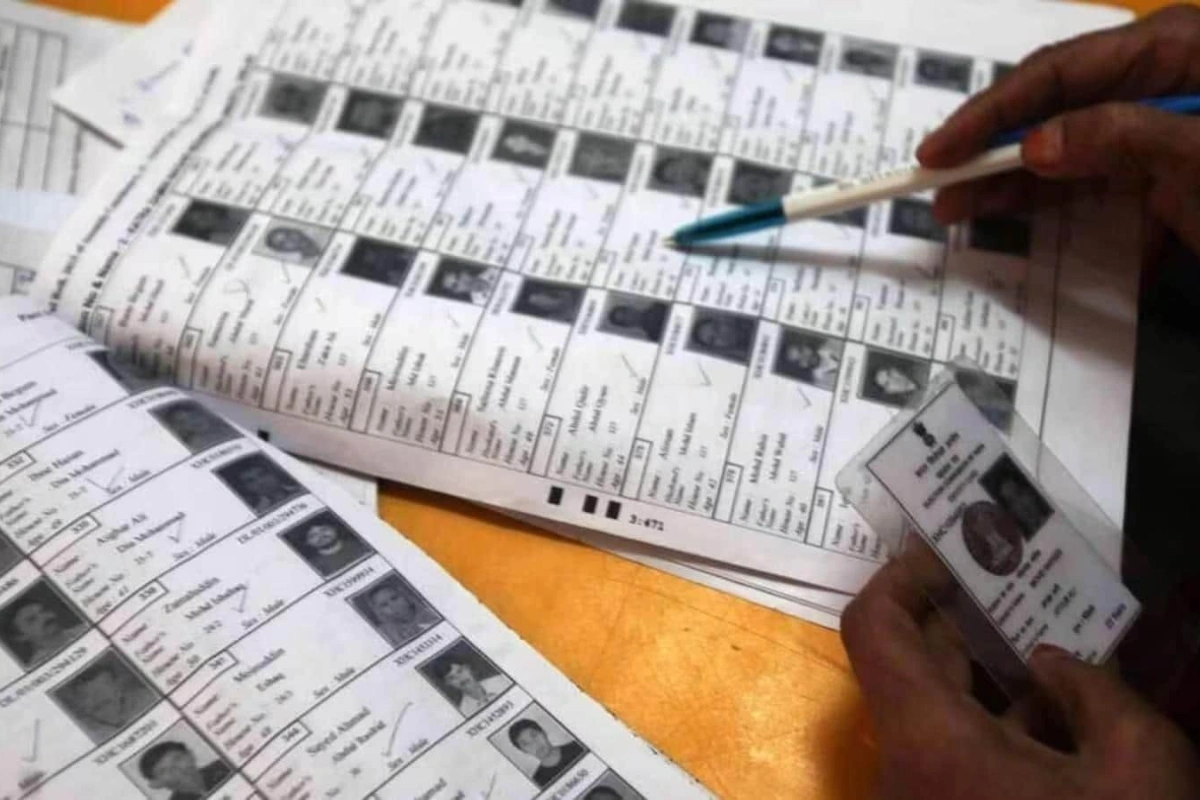
The Election Commission of India (ECI) has announced two significant changes to electoral roll procedures amid growing protests over its Special Intensive Revision (SIR) exercise. On October 16, the poll body announced a Special Summary Revision (SSR) of electoral rolls across 17 states and Union Territories and agreed to provide political parties with readable PDF copies of electoral rolls, addressing two long-standing demands raised by opposition parties.
ECI Announces Special Summary Revision in 17 States and UTs
The ECI has decided to resume the Special Summary Revision process to facilitate the enrolment of newly eligible voters, including those turning 18. The exercise will cover 17 states and Union Territories, including poll-bound Uttar Pradesh, Punjab and Uttarakhand.
DON'T MISS
Unlike SIR, which involves a more intensive verification process and mapping voters to previous electoral rolls, SSR is a routine exercise to update voter lists and include eligible new voters. The resumption comes after concerns were raised over the pause in the regular revision cycle.
ECI Agrees to Provide Readable PDF Copies of Voter Lists
In another major decision, the ECI has agreed to provide political parties with machine-readable PDF copies of draft and final electoral rolls for each polling station.
Previously, parties received scanned, image-only PDFs that were difficult to search or analyse digitally. The new format is expected to make it easier to identify additions, deletions and modifications in voter records.
The Commission has also directed officials to share lists detailing changes in electoral rolls, allowing political parties to examine updates more systematically.
Opposition Had Repeatedly Demanded Electoral Roll Transparency
The Congress and other opposition parties have repeatedly demanded access to searchable voter lists, arguing that the format previously provided made it difficult to identify possible discrepancies.
Congress leader Rahul Gandhi renewed the demand during his campaign alleging irregularities in electoral rolls. The ECI had earlier cited privacy concerns and risks associated with data mining when opposing the release of machine-readable voter lists.
The latest decisions come amid protests over the SIR exercise and allegations by opposition parties that eligible voters could be excluded. The ECI’s announcements address two issues raised in the debate, although their impact on the wider controversy remains to be seen.