

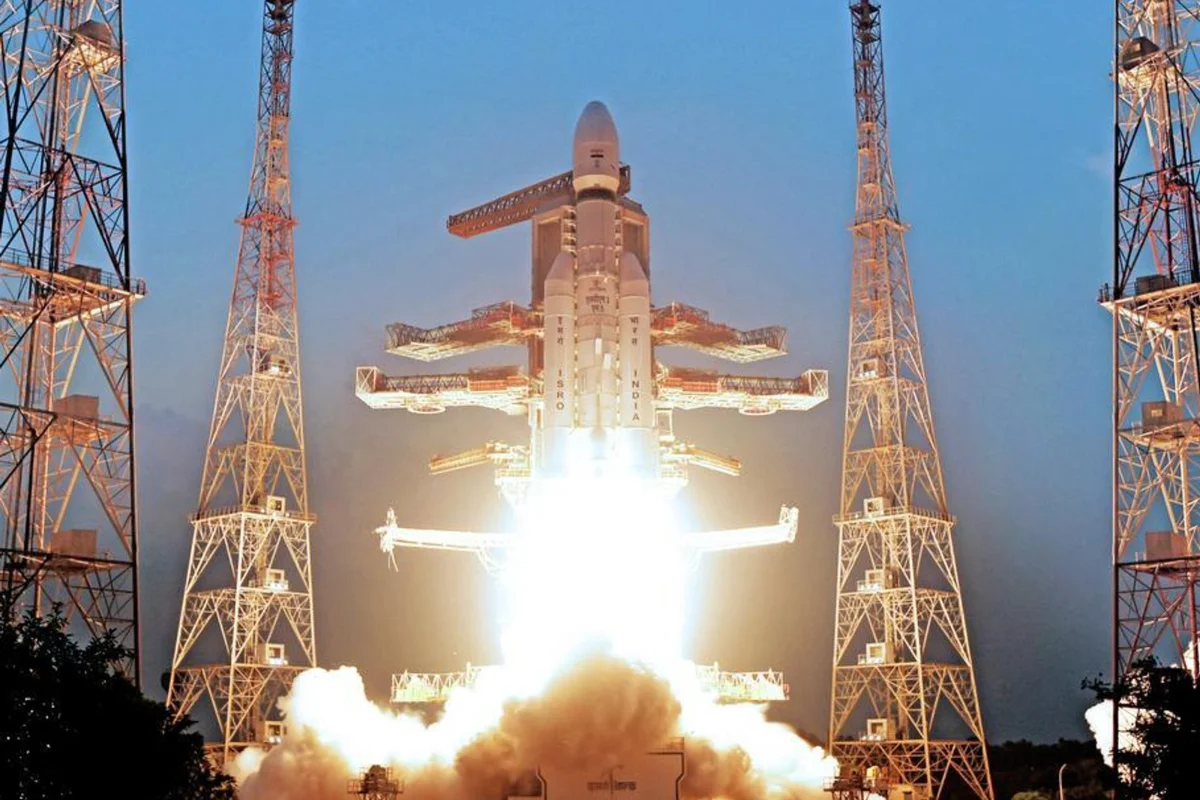
ISRO: India took another milestone on the journey as Indian Space Research Organisation (ISRO) successfully launched the NVS-03 navigation satellite onboard the GSLV-F18 rocket on 30th October 2026. It is yet another landmark to enhance the independent satellite navigation capability of India through its indigenous NavIC satellite system.
ISRO’s NVS-03 Launch Adds Another Achievement to India’s Space Journey
The GSLV-F18, the mission of ISRO, carried the NVS-03 satellite and lifted off from the Satish Dhawan Space Centre in Sriharikota, Andhra Pradesh. GSLV-F18 reached its intended destination and deployed into the satellite into the geosynchronous transfer orbit. The mission was the 20th launch of India’s GSLV. NVS-03 is a second-generation series of navigation satellites that work to support and extend India’s NavIC network.
What is NVS-03, and why is this satellite important?
NVS-03 is the third spacecraft of ISRO‘s next-generation Navigation with Indian Constellation (NavIC) satellite constellation. NavIC is India’s own regional satellite navigation system, which offers positioning, navigation, and timing services over the Indian region and extending up to 1,500 km beyond the country’s borders. The satellite has a native atomic clock and bought atomic clocks. Satellite navigation requires extremely accurate timing to determine where people are on the planet, and these will give it that.
Major Benefits of ISRO’s NVS-03 Satellite Launch
1. Stronger Navigation Services Across India.
One of the key benefits of NVS-03 is that it helps in bolstering India’s indigenous navigation system. NavIC offers navigation and positioning data to supported devices and systems, enabling services including transportation, mapping and navigation, marine navigation and other similar services.
DON'T MISS
2. Better Support for Smartphone Navigation
Civil navigation welcomed the launch of the L1 band. Most of the commercial navigation chipsets rely on L1. Being part of NavIC can help smartphones and other consumer devices easier to integrate India’s navigation signals.
3. Improved Train and Vehicle Tracking
Tracking the movement of trains and vehicles is an essential function of satellite navigation. The system will facilitate in real-time vehicle tracking system to monitor the movement of vehicles which helps transport authorities for better coordination.
4. Support for Fishermen and Maritime Activities
Navigation equipment works especially well for those who earn a living at sea. Fishermen using devices on the NavIC system may receive locational data, potential fishing zone information and maritime boundary alerts.
5. More Accurate Timekeeping
Another great feature of NVS-03 is its atomic clock technology. Time kept with the help of atomic clocks is extremely accurate and is necessary for satellite navigation.
How Is NavIC Different from GPS?
GPS is the United States’ satellite navigation system, and NavIC is India’s regional satellite navigation system. Both systems offer positioning, navigation, and timing, but they are not available in the same regions. GPS provides global satellite navigation coverage. NavIC offers all navigation services within India and up to 1,500 km outside its borders. NavIC provides the country with a standalone regional navigation system, instead of relying exclusively on external sources.
NVS-03: A Step Towards India’s Technological Independence
India’s space programme is more than launching satellites and exploring space. India today has a range of services such as technology-enabled communication, navigation, weather forecasting, transportation etc. based on satellite technology. With the successful NVS-03 mission, India has taken yet another step in this direction.


