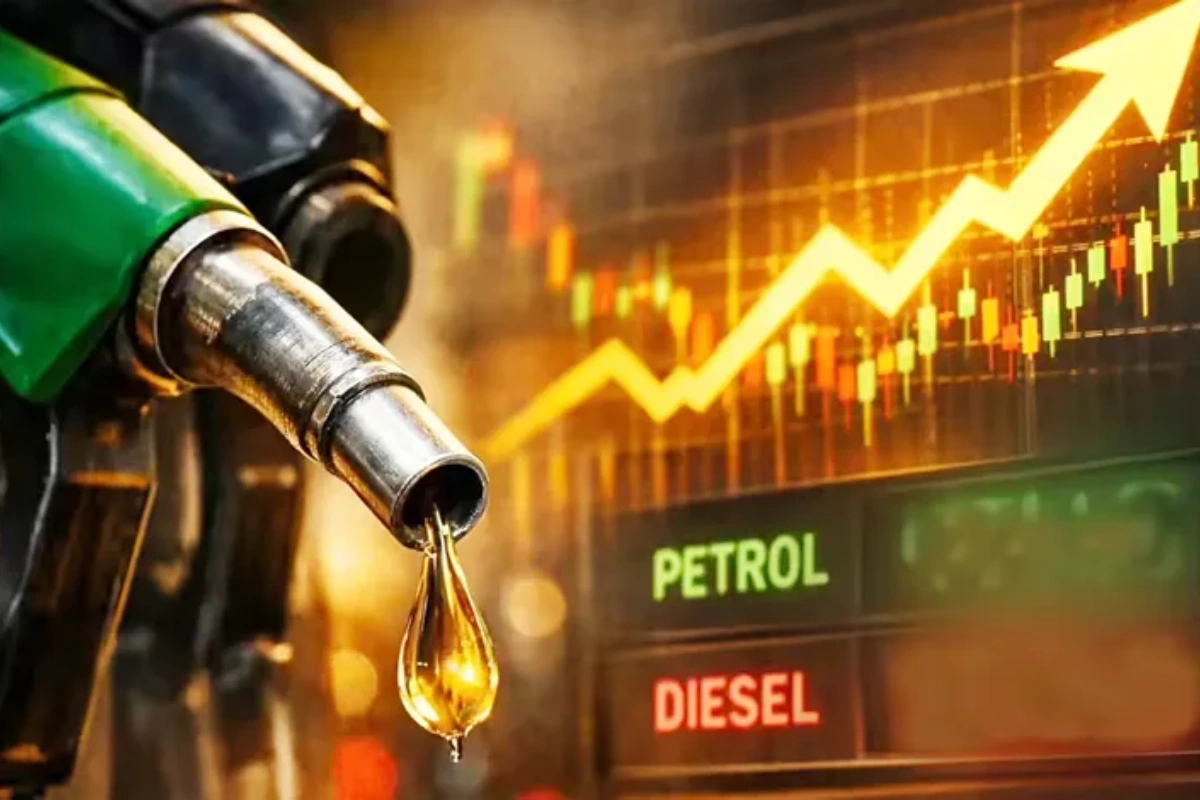
Fuel Shortage: India’s energy market is beginning to demonstrate signs of stress, as industrial diesel prices have risen by ₹28.22 per litre; a 25% increase directly related to escalating hostilities in the Middle East.
The increase impacts bulk purchasers like factories, transporters, and infrastructure companies. Although the prices of petrol and diesel in retail markets remain unchanged at present, this deliberate increase is indicative of mounting pressures in the energy markets.
Crude oil prices have been climbing well above $100/barrel globally due to increased conflict, disruption to supply chains, and higher costs related to importing energy products for countries like India that rely heavily on energy imports.
DON'T MISS
Is India Really Facing a Fuel Shortage?
Currently, we do not have a shortage of petroleum. The oil industry has made it clear that all remains available, uninterrupted and in abundance.
Nonetheless, there are signs of potential future problems ahead. In parts of East Asia there have already been instances of fuel panic buying caused by uncertainty associated with wartime conditions.
Thus, to date, India is not facing a crisis – but as this situation evolves there may be risk to supply levels, as well as from the continuing hostilities in Ukraine and the impact on global shipping.
Why Industrial Diesel Prices Matter More Than You Think
The logistics, manufacturing, and construction industries are dependent on Industrial Diesel. When Industrial Diesel prices increase significantly, increased costs impact other industries.
The result will be higher transportation costs, increased product prices and businesses being squeezed.
Therefore, a fuel price increase can create an inflation problem without notice.
The Middle East Factor: A Global Domino Effect
A long-term conflict is disrupting important oil pipelines and causing a global shortage of oil. This has resulted in higher prices of fuel and less fuel available throughout the world.
The vulnerability to geopolitical issues is reflected primarily in India, which imports over 80% of its crude oil.
What Lies Ahead for India?
Currently, the government has taken steps to prevent consumers from directly experiencing the effects, but if there is sustained high pricing on a world-wide level, then there will be no other option than to revise the larger cost structure.
The primary risk of not having a shortage of fuel is that the impact of increases in costs will continue to be spread through the economy before being passed onto consumers.