Home Blog Page 31

CM Yogi Adityanath Directs Immediate Repair of Rain- and Flood-Damaged Roads in Uttar Pradesh

CM- Yogi- Adityanath
Google

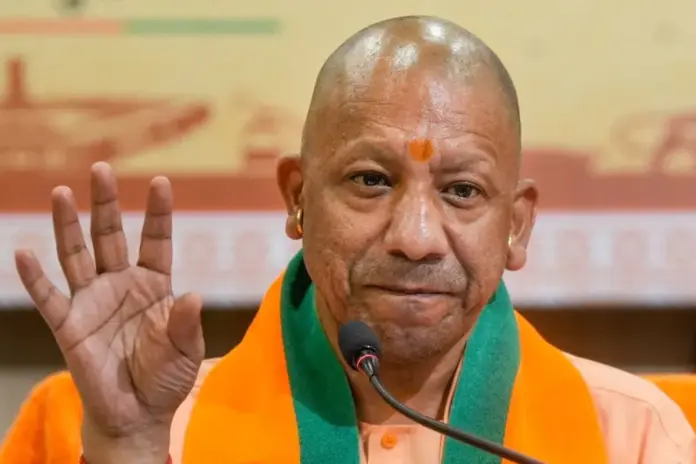
Uttar Pradesh CM Yogi Adityanath has directed officials to ensure immediate repair of roads damaged by heavy rainfall and flooding across the state, with instructions to make affected routes motorable at the earliest.

CM Yogi Adityanath Directs Immediate Repair of Rain- and Flood-Damaged Roads

The Chief Minister reviewed the ongoing works of the Uttar Pradesh Public Works Department (PWD) in Lucknow and assessed the condition of the state’s road infrastructure following the recent rains.

Repair of Rain- and Flood-Damaged Roads in Uttar Pradesh

During the review, CM Yogi instructed officials to identify roads that have been damaged due to rainfall and flooding and take prompt action to restore connectivity. The emphasis was on ensuring that people do not face prolonged difficulties while travelling on affected routes.

The Chief Minister also directed officials to conduct surveys of newly constructed roads that may have suffered damage due to the rains. The survey is expected to help authorities identify the extent of damage and determine the appropriate repair requirements.

CM Yogi said that wherever roads are currently in a severely damaged condition, they should first be made motorable without waiting for the monsoon to end. This approach is aimed at restoring basic connectivity and facilitating the movement of residents, vehicles and essential services.

He further directed that permanent renewal and reconstruction of roads should be undertaken after the rainy season, wherever required. This would allow authorities to carry out more durable restoration work based on the actual condition of the roads after the monsoon.

The instructions are particularly significant for areas affected by waterlogging and flooding, where damaged roads can disrupt daily commuting and access to essential services. Restoring road connectivity is also important for the movement of agricultural produce and other goods between rural and urban areas.

Punjab Road Infrastructure Sees Continued Improvement Under Bhagwant Mann Government

Bhagwant- Mann
Google

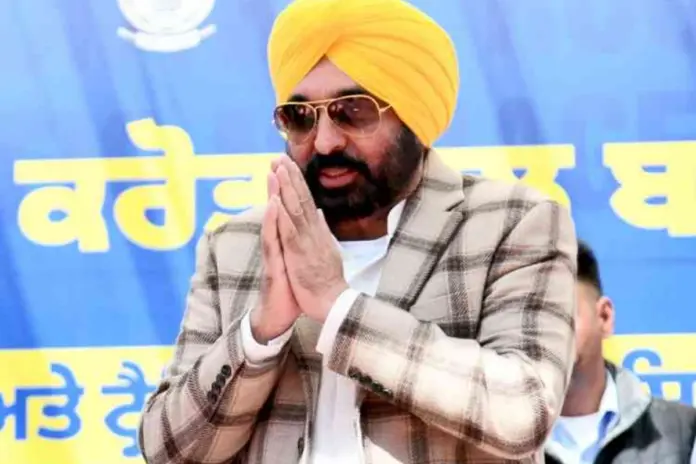
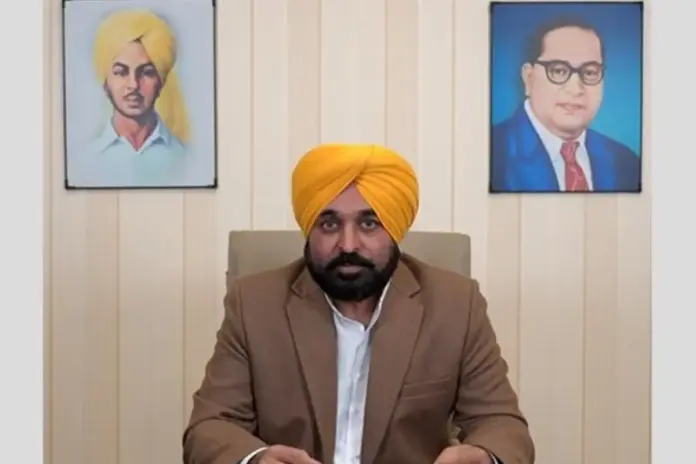
Bhagwant Mann: Punjab’s road infrastructure is witnessing continuous improvement, with development efforts extending from rural roads to major routes connecting cities, according to Punjab Health Minister Dr Balbir Singh.

Punjab Road Infrastructure Sees Continued Improvement

In a post on social media, Dr Balbir Singh said the road network across the state is steadily becoming better, highlighting the efforts of the Bhagwant Mann-led Punjab government to strengthen road connectivity.

Improvement Under Bhagwant Mann Government

He said improved roads and stronger connectivity are making daily travel easier for people across Punjab. Better road infrastructure is also expected to improve access between villages, towns and urban centres.

According to Dr Balbir Singh, the improvement in road connectivity is not only helping commuters but is also contributing to the broader pace of development in the state. Reliable roads play an important role in connecting people with workplaces, educational institutions, healthcare facilities and markets.

The focus on rural as well as urban roads is significant for Punjab, where efficient connectivity is important for both agricultural and commercial activity. Better-maintained routes can facilitate the movement of people and goods while reducing difficulties faced by residents travelling between different parts of the state.

The minister said the government’s efforts are aimed at creating stronger road links so that people can benefit from smoother and more convenient transportation. The emphasis on connectivity also forms part of the wider development narrative being projected by the Mann government.

Improved road infrastructure can further support economic activity by strengthening links between villages and nearby towns and cities. For rural communities in particular, dependable roads can make access to essential services and markets more convenient.

Dr Balbir Singh’s remarks underline the Punjab government’s focus on infrastructure development as an important component of improving public services and supporting economic growth.

Bhagwant Mann Mission Clean Punjab: Patiala Students Join Cleanliness Campaign

Bhagwant- Mann’
Google

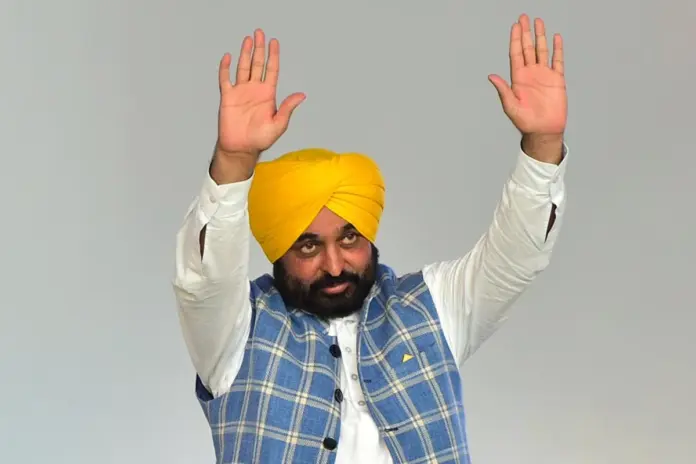
The Bhagwant Mann-led Punjab government’s Mission Clean Punjab has received participation from school students in Patiala, with students of Yadavindra Public School joining Aam Aadmi Party (AAP) volunteers in the second phase of the cleanliness campaign.

Bhagwant Mann Mission Clean Punjab

During the special cleanliness drive in Patiala, the students actively participated in spreading awareness about the importance of keeping public spaces and surroundings clean. They used cleanliness-themed posters to convey messages to people and encourage them to take responsibility for maintaining a clean environment.

Patiala Students Join Cleanliness Campaign

The students also appealed to residents to participate in the campaign and contribute to keeping their neighbourhoods and surroundings clean. Their involvement brought a focus on the role of young people in creating awareness about cleanliness and responsible civic behaviour.

Mission Clean Punjab has been launched by the Aam Aadmi Party as a statewide cleanliness initiative, with the second phase focusing on strengthening cleanliness activities and encouraging greater participation at the local level.

The participation of schoolchildren also highlights the campaign’s emphasis on public awareness alongside physical cleanliness work. By involving students, the initiative seeks to encourage cleanliness habits among younger citizens and spread the message to families and communities.

The Punjab government has been promoting cleanliness and improved civic conditions as part of its broader public welfare agenda. Community participation is being encouraged to ensure that cleanliness is not limited to government-led activities but becomes a shared responsibility.

5th Gomti Book Festival to Promote Reading and Literary Culture in Lucknow: CM Yogi Adityanath

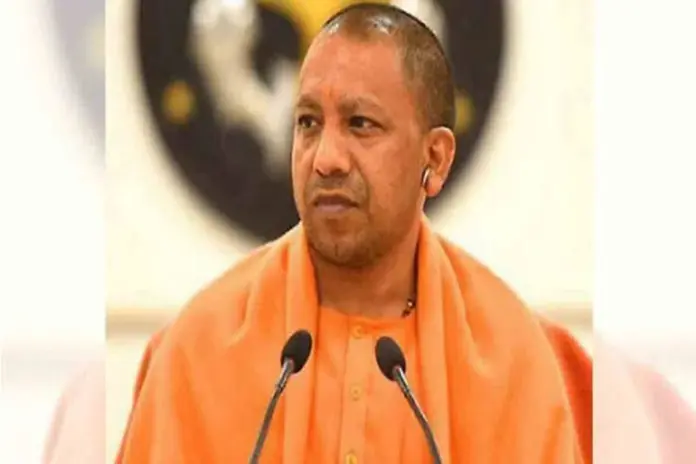
The Uttar Pradesh CM Yogi Adityanath government is set to host the 5th Gomti Book Festival in Lucknow, bringing together book lovers, students, children, authors and literature enthusiasts on a common platform dedicated to knowledge, creativity and culture.

5th Gomti Book Festival to Promote Reading and Literary Culture in Lucknow: CM

The festival will be organised from September 12 to September 20, 2026, at Lucknow University. The state government has described the event as part of its efforts to promote a culture of education, reading, literature and knowledge across Uttar Pradesh.

The festival will feature a book fair along with several activities

The festival will feature a book fair along with several activities designed especially for children and young visitors. An Authors’ Corner will provide an opportunity for readers to interact with writers and engage in discussions about books and literature.

A Cultural Stage will also host cultural programmes, adding an artistic dimension to the festival and providing visitors with an opportunity to experience different forms of cultural expression.

The Uttar Pradesh government said the initiative aims to encourage reading habits among children and young people while strengthening their connection with literature and knowledge. Such platforms can also provide students with opportunities to explore books beyond their regular academic curriculum.

The event is being organised in the state capital under the guidance of Prime Minister Narendra Modi and the leadership of Chief Minister Yogi Adityanath. The government has highlighted education, literature and cultural development as important components of its broader efforts to promote a knowledge-based society.

The participation of authors, students, children and book enthusiasts is expected to create an environment for discussions, learning and creative exchange. The festival will also provide publishers and writers with a platform to connect with readers.

Mirzapur The Movie Box Office Collection Day 8: Can Guddu Pandit’s On Screen Journey Continue to Attract Audiences? Will Weekend Numbers Improve

Mirzapur- The- Movie- Box -Office- Collection- Day- 8
Google

Mirzapur The Movie Box Office Collection Day 8: Mirzapur The Movie is back with another day of the box office performance. The movie earned ₹9.50 crore net in India from 6,763 shows on Day 8. 

Mirzapur The Movie Day 8 India box office collection 

The latest box office collection of the movie Mirzapur The Movie is ₹9.50 crore net in India from 6,763 shows on Day 8. Thus, the movie earned ₹9.50 crore more on its eighth day in theaters. As a result of the latest collections, the India net collection of the movie Mirzapur The Movie is now ₹157.95 crore. At the same time, the India gross collection of the film Mirzapur The Movie is ₹188.19 crore. 

Overseas collection adds ₹2.50 crore on Day 8 

The movie has collected some money from the foreign markets. Mirzapur The Movie managed to collect ₹2.50 crore abroad on Day 8. Therefore, with this contribution, the overseas gross collection of the movie is ₹38 crores till date. 

Mirzapur: The Movie worldwide collection reaches ₹226.19 crore 

Taking into consideration both the India gross and the overseas gross collection figures, Mirzapur The Movie has managed to collect ₹226.19 crore worldwide. This figure reflects the contributions of the movie in its domestic and foreign theatrical markets. Having crossed the ₹226 crore mark, the next coming weekend becomes a crucial period for the movie in terms of box office performance.

Can Guddu Pandit continue to attract audiences? 

Guddu Pandit is one of the most recognizable characters associated with the Mirzapur franchise, and bringing his journey to the big screen has generated audience interest. The Day 8 figures indicate that the film continues to draw audiences even after completing its first week. As the film moves deeper into its theatrical run, the weekend figures will provide a clearer indication of whether audience interest remains strong. The focus now remains on whether Mirzapur The Movie can build on its ₹226.19 crore worldwide gross and continue its box office momentum. 

BRICS Summit: Big diplomatic meeting for PM Modi! India Walks the Tightrope Between Russia, China, Iran and the US, Check

BRICS- Summit
Google

The approaching BRICS Summit is set to be a major diplomatic challenge for Prime Minister Narendra Modi, considering India’s desire to maintain good relations with various powers while securing its own strategic interests. Since Russia, China, and Iran have prominent roles in the BRICS grouping, India will have to take care of its relations with the United States as well.

A diplomatic balancing act

In the BRICS forum, there are different countries that are interested in different geopolitical and strategic interests. It gives India a chance to develop its cooperation with Russia, interact with China directly, and foster good ties with Iran. Furthermore, India has also established strategic and economic relations with the United States in sectors like defence, technology, trade, and the Indo-Pacific. Therefore, diplomacy during the BRICS Summit is vital for India.

Important partner relations with Russia

India maintains an important partnership with Russia, which is evident from its cooperation in defense, energy, and other strategic sectors. In spite of pressures from other nations because of the Russia-Ukraine conflict, India maintains its independent foreign policy. China adds another dimension to the equation. China might be considered the most sensitive aspect of India’s BRICS diplomacy. While India and China are both a part of the same multilateral alliance, the two remain engaged in the conflict over their borders and in strategic rivalry. 

Iran and the new BRICS paradigm

Another important dimension of India’s diplomacy comes from Iran’s increasing engagement in BRICS. India traditionally showed interest in establishing strategic partnerships with Iran, which included the issues of connectivity and access to the Central Asian markets. In the context of BRICS, India’s closer ties with Iran can help India achieve its connectivity ambitions while remaining an independent player in global politics.

Pakistan Tailender Razaullah Khan Scripts History On Test Debut, Records That’ll Be Tough to Break

Razaullah
Google

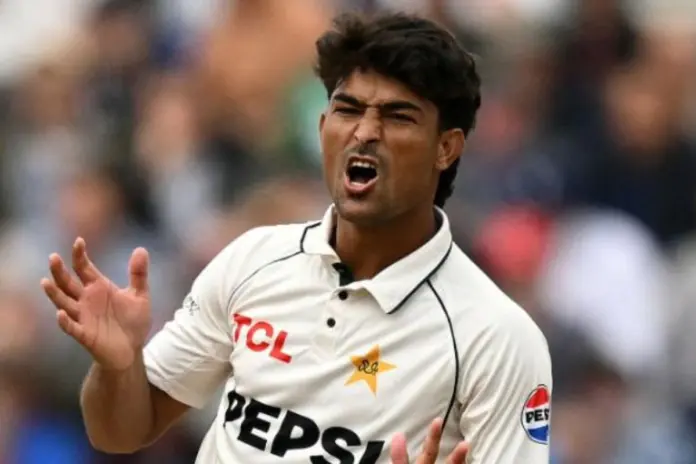
Pakistan needed a miracle at Edgbaston. A 21 year old debutant batting at number nine gave them one. Razaullah Khan walked out to bat with Pakistan reeling at 318 for 8 in the third and final Test against England. His side had already been bowled out for 133 in the first innings and trailed by 320 runs. Another innings defeat looked certain, and a 3-0 series whitewash looked even more certain.

The Numbers Behind The Carnage

Razaullah scored 81 runs off just 63 balls. He hit four fours and nine sixes along the way. He reached his fifty in 43 deliveries, the fastest half-century by a Pakistani batter on Test debut, beating Faheem Ashraf’s 52-ball effort against Ireland in 2018.

He struck three sixes off Gus Atkinson in a single over. He then went after Jofra Archer, clearing the boundary twice more, including the six that brought up Pakistan’s 400. He shared a 121-run partnership with Mohammad Abbas, who scored a career-best 42. It stands as the highest ninth-wicket stand against England since 1984.

Records That Now Carry His Name

Razaullah’s nine sixes equalled Tim Southee’s 18-year-old record for the most sixes in a Test innings played in England, a mark Southee set against Napier in 2008. He also matched Ben Stokes’s record for most sixes by any batter in a single Test innings on English soil, set during the 2023 Ashes at Lord’s.

Keeping Pakistan In The Fight

Thanks to Razaullah, Pakistan were bowled out for 449, giving them a 129 run lead and forcing the match into a fourth day. England need 130 runs to complete a first three-Test whitewash on that ground since 2024. Razaullah was eventually stumped off Dan Lawrence, and walked off to a standing ovation.

iPhone 18 Pro Max vs iPhone Duo: Which 2nm Titan Takes the Battery Crown? Check

Apple- iPhone- Duo- Vs- iPhone- 18- Pro- Max
Google

Apple iPhone Duo Vs iPhone 18 Pro Max: Apple’s newest flagships share the same chip. They do not share the same battery story.Both phones run on the A20 Pro, built on Apple‘s new 2nm process. Each pairs the chip with 12GB of RAM and a redesigned vapour chamber for cooling. But the Pro Max uses that chip inside a single, conventional display. The Duo splits it across a foldable body with two batteries, one on each side, which iOS manages as a single power source.

The Numbers

The iPhone 18 Pro Max packs a 5,567mAh battery in its eSIM-only version and rates for up to 45 hours of video playback, Apple’s biggest battery gain on any iPhone yet. The iPhone Duo tells a more complicated story. Using its large 7.6-inch inner display, it manages around 31 hours of video playback. Switch to its smaller 5.4-inch cover screen instead, and that number jumps to roughly 44 hours.

Why The Pro Max Wins On Paper

A single display is easier to manage than two. The Pro Max’s battery life stays predictable no matter how you use the phone. The Duo’s battery life swings wildly depending on which screen you have open, and using the larger inner display, the one most people will buy a foldable for, cuts battery life by nearly a third.

Where The Duo Fights Back

Apple iPhone Duo Vs iPhone 18 Pro Max: If you mostly use the Duo’s smaller cover screen, it comes close to matching the Pro Max, and even edges past the standard 18 Pro. Charging speed also stays competitive, with both phones reaching 50 per cent charge in 15 to 20 minutes.

For raw, predictable battery life, the iPhone 18 Pro Max takes the crown. The Duo only comes close if you are willing to keep its big screen folded shut most of the time, which somewhat defeats the purpose of buying a foldable in the first place.

Dual-Chokepoint Noose! How Tehran’s Proxy Mastery of Hormuz and Bab el-Mandeb Can Trap New Delhi’s Energy Lifelines, Check

Bab- el- Mandeb
Google

India runs on oil that passes through two narrow stretches of water. Iran now holds influence over both. The Strait of Hormuz carries roughly 30 per cent of India’s crude imports. Tehran controls the northern edge of that waterway directly. Further south, the Bab el-Mandeb Strait links the Red Sea to the Indian Ocean, and Iran’s Houthi allies in Yemen sit right beside it. Analysts have long warned that Iran could use the Houthis as a proxy force, giving Tehran leverage over a second global chokepoint without firing a shot itself.

Why Both Routes Matter To India

A Hormuz closure hits supply volumes directly. India’s LPG imports depend on Gulf routes for up to 90 per cent of their volume, and LNG imports rely on the same corridor for around 42 per cent. A Bab el-Mandeb closure works differently. It does not cut supply, but it adds ten to twenty days to voyage times as ships reroute around the Cape of Good Hope, driving up freight and insurance costs.

The Price India Is Already Paying

Brent crude has already climbed past $100 a barrel following the collapse of the US-Iran ceasefire. Analysts at CareEdge Ratings say a simultaneous, multi-week closure of both straits could push prices toward $130 to $135 a barrel, adding an estimated $3 to $5 billion a month to India’s crude import bill alone. That pressure would ripple outward, weakening the rupee and widening India’s trade deficit.

A Risk New Delhi Cannot Ignore

With Houthi forces recently seizing new territory along Yemen’s coast, their reach over Bab el-Mandeb is only growing. For India, the message is clear. Energy security no longer depends on just one chokepoint. It depends on two, and Iran holds meaningful sway over both.

Validity of Umbrella Laws Governing Private Universities Challenged Before the Supreme Court

Supreme Court

Prof. B. P. Maithani has filed a Public Interest Litigation before the Hon’ble Supreme Court of India challenging the constitutional validity of the Sikkim Private Universities (Establishment and Regulation) Act, 2025, and the Uttarakhand Private Universities Act, 2023/2024. The petition, filed under Article 32 of the Constitution of India, was lodged on 29 August 2026 (Diary No. 53108/2026) and has since been registered as W.P.(C) No. 1129/2026. Sanjai Kumar Pathak is appearing as Advocate for the petitioner, and the respondents named are the Union of India, the State of Sikkim and its Higher Education Department, the State of Uttarakhand and its Department of Higher Education, and the University Grants Commission (UGC).

Concern Over Repeal of Individual University Acts

The petition’s central grievance concerns the repeal of individual State Acts under which private universities were separately established, and their subsequent absorption into a common, or “umbrella,” legislation. According to the petition, approximately 50 separate private university Acts stand repealed under the impugned framework, a development the petitioner contends could create legal and academic uncertainty for a large number of universities, students, faculty members and other stakeholders.

UGC Regulations and the Requirement of Separate State Acts

The petition places particular reliance on Regulation 3.1 of the UGC (Establishment and Maintenance of Standards in Private Universities) Regulations, 2003, which it reads as requiring every private university to be established through a separate State Act and to comply with the UGC Act, 1956. On this basis, the petitioner argues that repealing individual university Acts in favour of a common statute is inconsistent with the statutory and regulatory framework governing private universities, and may raise serious questions concerning the statutory status of the affected universities, the recognition and validity of their degrees, and the academic and professional future of their students.

Constitutional Division of Powers Between Centre and States

The petition raises questions of constitutional distribution of legislative power between Parliament and the State Legislatures in the field of higher education. It contends that the coordination and determination of standards in higher education fall within the Union’s domain under Entry 66 of List I of the Seventh Schedule, and that the impugned State legislation, by establishing a parallel regulatory framework over admissions, fee fixation,academic administration, governance, inspection and institutional oversight, substantially overlaps with the regulatory domain occupied by Parliament through the UGC Act, 1956, and the regulations framed under it. The petition further raises questions under Articles 245, 246 and 254 concerning the legislative competence of the States relative to the central framework governing higher education.

Reliance on the Supreme Court’s Prof. Yashpal Judgment

The petition places substantial reliance on the Supreme Court’s judgment in Prof. Yashpal & Others v. State of Chhattisgarh & Others (2005), whose principles the petitioner submits are directly relevant to the constitutional validity of the legislative mechanism adopted by Sikkim and Uttarakhand. It also cites State of T.N. v. Adhiyaman Educational & Research Institute, T.M.A. Pai Foundation v. State of Karnataka, P.A. Inamdar v. State of Maharashtra, and Modern Dental College & Research Centre v. State of Madhya Pradesh in support of its constitutional arguments, contending that the changes made by the impugned laws do not cure the underlying legal infirmity and require judicial review in light of these established principles.

Students’ Interests at the Centre of the PIL

The petitioner has stated that the PIL has not been filed for any personal, institutional or private gain, but in the larger public interest, and particularly to safeguard the academic and legal interests of present and prospective students, including those from poor, rural, tribal and economically weaker backgrounds. The petitioner has further submitted that the issue is not confined to Sikkim and Uttarakhand: were similar legislative models to be adopted by other States, the resulting inconsistency could have wider implications for the national framework governing higher education and for the UGC’s regulatory role.

Interim Relief Sought Before the Supreme Court

The petition seeks interim relief staying the operation and enforcement of the Sikkim and Uttarakhand Acts pending disposal of the proceedings, and restraining the respondents from taking further action under the impugned legislation until then. In its main prayer, the petition asks the Court to declare both Acts unconstitutional, ultra vires and void, and to direct the respondents not to give effect to or implement their provisions.

A Matter of Wider Significance for Higher Education

The writ petition brings into focus questions concerning the establishment and statutory status of private universities, institutional autonomy, the regulatory role of the UGC, the constitutional division of powers between the Union and the States, and the protection of students’ academic interests. The petitioner has emphasised the need for a regulatory framework that is constitutionally sound, nationally consistent, and capable of protecting the interests of students, faculty and other stakeholders.


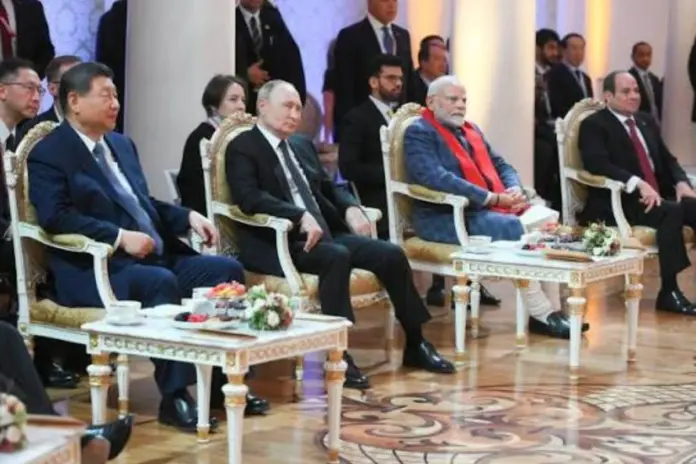
PM Modi to meet Chinese President Xi Jinping amid Arunachal dispute and mega dam project tensions, Opposition’s Hawk Eye on Meeting?

Xi- Jinping
Google

Xi Jinping: The Modi government is all set to hold a meeting between PM Modi and Chinese President Xi Jinping when India–China relations are still quite sensitive because of the border disputes between the two nations and the proposed mega hydroelectric dam project of China on the Brahmaputra River.

Arunachal Pradesh continues to be a bone of contention

The question of Arunachal Pradesh has been one of the most sensitive issues in the ongoing relations between the two countries. While China has kept raising its claims regarding this Indian state, India has maintained its stance about the integral nature of Arunachal Pradesh within the country. The discussion on border stability can thus turn out to be a strategically important matter between Modi and Xi.

 Mega dam project emerges as another point of debate

China’s mega hydroelectric power project on the Yarlung Tsangpo River (which gets converted into Brahmaputra in India) has been a point of concern for India as well, which is closely following the developments around this project because of its strategic significance.

Opposition likely to monitor the summit

In addition to the opposition monitoring the Modi-Xi summit, there are questions regarding whether India gets the assurance it needs from the Chinese president on border issues, Arunachal Pradesh, and the consequences of the mega dam project. The opposition will want to see what kind of results India gets out of the discussions.

A carefully observed diplomatic summit

Xi Jinping: In light of the many issues of concern to both nations, ranging from the border issue to water security, the summit between Prime Minister Modi and Xi Jinping goes beyond any ordinary diplomatic discussion. The important point here is whether the discussions yield tangible results in the ongoing Indian-Chinese relations.

Akali Dal-BJP Nexus Exposed; Sukhbir Badal Compromising Punjab’s Interests To Escape Beadbi Cases: Ranbir Singh Dhindsa

Punjab News

Aam Aadmi Party (AAP) Punjab Spokesperson Ranbir Singh Dhindsa on Friday tore into Shiromani Akali Dal (SAD) Chief Sukhbir Singh Badal over his repeated failure to appear before the SIT (Special Investigation Team) in connection with the beadbi (sacrilege), Behbal Kalan and Kotkapura firing cases, saying that the Akali Dal-BJP nexus now stands completely exposed. The AAP Punjab Spokesperson said that Sukhbir Badal, who had admitted responsibility before Sri Akal Takht Sahib, cannot now evade the SIT or escape accountability for the Kotkapura firing, particularly when Faridkot court records and his own writ petition show that, as former Home Minister, he was in a five-star hotel and in continuous contact with senior police officials during the incident.

Ranbir Singh Dhindsa said Badal’s attempts to avoid appearing before the SIT while compromising Punjab’s interests to secure protection in the beadbi cases expose the real face of the Akali Dal-BJP nexus.

Addressing a press conference on Friday along with Mora Singh Anjaan and Ripandeep Singh, AAP Punjab Spokesperson Ranbir Singh Dhindsa raised two direct questions before Sukhbir Badal and the entire leadership of the Akali Dal. “I want to ask whether worldly courts are more important to you or our supreme Sri Akal Takht Sahib? Sri Akal Takht Sahib, established by our Guru Sahib, is far more sacred and supreme than worldly courts, and every Sikh and Punjabi holds immense faith and respect for it,” he said.

The AAP Punjab Spokesperson stated that when Jathedar Sri Akal Takht Sahib had summoned Sukhbir Badal, “he had accepted there that he was responsible for the Beadbis and the firing on the peaceful congregation that was reciting ardas and Gurbani. His entire Cabinet had undergone punishment according to Sikh maryada.”

“If you came before the highest court of the Guru, admitted your guilt, then how can you now refuse to speak the truth before the SIT? Where has your devotion to the Guru and your Panthic stand gone?” he asked.

Raising his second major question, Ranbir Singh Dhindsa stated that while serving as Home Minister, Sukhbir Badal had claimed that he was abroad on the day of the firing incident. “Whereas, according to the records of the Faridkot court and his own writ petition, he was sitting in a five-star hotel that night and remained in continuous contact with senior police officials,” he said.

“When the conversation continued throughout the night while he was the Home Minister, then who bears responsibility for it?” Ranbir Singh Dhindsa asked.

“This is the nexus between the Akali Dal and the BJP, which has completely exposed their anti-Punjab, anti-Panth and anti-Sikh faces,” he said.

Ranbir Singh Dhindsa further revealed that the main reason behind Sukhbir Badal’s failure to appear before the SIT today was “the deal being worked out with the big rulers in Delhi (BJP).” “He has received backing from Delhi that there is no need for him to appear and that ‘we will save you from the Beadbi cases.’ In return for this protection, Sukhbir Badal has compromised Punjab’s interests and agreed to support the BJP on black farm laws,” he said.

He said that the alliance that was broken for show in 2020 had, in reality, never broken. “Whether it was voting for the BJP candidate in the presidential elections or giving the vote of their lone MP to get a Bill passed in Parliament, the Akali Dal has always stood with the BJP,” he said.

“Where have their conditions regarding MSP, farm laws or Sikh issues gone today? Today, the only thing that matters to them is how to escape the allegations and punishment in the Beadbi cases,” Ranbir Singh Dhindsa said.

Ranbir Singh Dhindsa appealed to all Punjabis to remain alert to this conspiracy. “To save themselves and their families, the Akali Dal leadership first destroyed the entire party and is now selling Punjab’s interests into the hands of the BJP. Every Punjabi must ask the Badals these questions and expose their anti-Punjab politics once again,” he said.

BJP-Akali Govt Failed Punjab As Sri Guru Granth Sahib Ji Was Stolen & Repeated Incidents Of Beadbi Took Place Under Its Watch: Manwinder Singh Giaspura

Manwinder Singh Giaspura

Aam Aadmi Party (AAP) Punjab MLA Manwinder Singh Giaspura on Thursday slammed the BJP-Akali government for its failure to protect the sanctity of Sri Guru Granth Sahib Ji, saying the theft of Sri Guru Granth Sahib Ji and repeated incidents of beadbi took place under its watch, followed by police firing on peaceful protesters at Kotkapura and Behbal Kalan. He said the 2015 incidents remain a deep wound in the hearts of Punjabis, as the Akali Dal Badal used Sri Guru Granth Sahib and the Panth for political interests while in power in alliance with the BJP, and now, despite that dark chapter, the proposed renewed BJP-Akali alliance is being pursued for political protection in the beadbi and firing cases and to advance efforts to bring back the three farm laws in Punjab.

The AAP MLA affirmed the people of Punjab will never forgive those responsible for the 2015 beadbi and firing incidents and demanded that the SIT Special (Investigation Team) establish who ordered the police action against peaceful protesters and ensure accountability for the deaths of Krishan Bhagwan Singh and Gurjit Singh. He questioned how Sukhbir Singh Badal, who was Home Minister at the time, could claim ignorance of the theft when information had reached his own office, and alleged that Sukhbir Singh Badal was sitting in a five-star hotel while directions were being given to senior police officers for action against peaceful protesters.

Addressing a press conferenc. on Thursday, MLA Manwinder Singh Giaspura stated, “On June 1, 2015, Sri Guru Granth Sahib Ji was stolen during the Akali-BJP government, but the incident was taken lightly by the government. Sukhbir Singh Badal, who was then the Home Minister, has told the SIT during questioning that he was not aware of the theft. However, the Intelligence Wing had sent a report and Sukhbir Singh Badal’s personal secretary also told the SIT that information about the incident was available. How could the Home Minister remain unaware when his own office had received information?”

The AAP MLA said that even after the theft, the government failed to act when posters were put up in September 2015 challenging Sikhs to find their stolen Guru. “The failure to take timely action emboldened those responsible for the subsequent beadbi in October, when the Angs of Sri Guru Granth Sahib Ji were found scattered in the streets. The incident deeply hurt Sikhs across the world,” he added.

MLA Manwinder Singh Giaspura said the sangat had gathered peacefully at Kotkapura, where ardas and kirtan were taking place, but water cannons were used against the protesters. The MLA said that he was also present at the protest. “The SIT (Special Investigation Team) has already presented a chargesheet in the Kotkapura firing case, in which Sukhbir Badal, Charanjit Sharma, Paramraj Singh Umranangal and Sumedh Singh Saini are facing proceedings and are currently on bail. The key question before the SIT is who ordered the firing and who gave the directions to disperse the peaceful protesters,” he said.

The AAP MLA pointed out that the subsequent events at Behbal Kalan on October 14 were even more painful, as two young men, Krishan Bhagwan Singh and Gurjit Singh, were killed in police firing while the sangat was holding a peaceful protest. “Sukhbir Badal has repeatedly claimed that he was not in Punjab at the time. But court documents related to his bail indicate that Sukhbir Badal was present in Punjab and was staying at a five-star hotel. Directions were being given from there to senior police officers including Charanjit Sharma, Paramraj Singh Umranangal and Sumedh Singh Saini. The people of Punjab want to know who ordered the firing and who gave the directions to disperse the protesters. Sukhbir Badal himself had acknowledged his role in the events before the Sri Akal Takht Sahib,” he added.

Referring to the statement given by Giani Raghbir Singh to the SIT, MLA Manwinder Singh Giaspura said that the contents of the acknowledgement made by Sukhbir Singh Badal before the Sri Akal Takht Sahib are part of the record. “If this acknowledgement and other evidence are already part of the record, why should they not be presented before the court and the SIT? Why should those responsible not face the strictest punishment? Punjab has the right to know who gave the orders and who was responsible for the deaths of Krishan Bhagwan Singh and Gurjit Singh,” he said.

The AAP MLA also noted that the proposed renewed understanding between the Akali Dal and BJP shows that the two parties have not learnt from the past. “The alliance is being pursued because the BJP is once again in power at the Centre and Sukhbir Badal expects political protection in the cases related to the beadbi and the deaths of Krishan Bhagwan Singh and Gurjit Singh. The proposed Akali-BJP alliance is not about the interests of Punjab or the Panth. It is being pursued because the BJP is once again in power at the Centre and Sukhbir Badal expects political protection in these cases. Sukhbir Badal is once again compromising the interests of Punjab and the Panth for political gain,” he said.

MLA Manwinder Singh Giaspura further said that the proposed understanding is also linked to efforts to bring back the three farm laws in Punjab. “The farm laws had led to the deaths of more than 750 farmers during the farmers’ movement, and Sukhbir Singh Badal is once again compromising the interests of Punjab for political gain,” he added.

The AAP MLA said the people of Punjab are closely watching the developments in the SIT proceedings and will not forget those responsible for the beadbi and the deaths of the two young protesters. “Those who have hurt the sentiments of the Sikh community and those responsible for the firing will eventually face justice. The wheel of justice may move slowly, but it grinds exceedingly fine,” he said.

He pointed out the Bhagwant Mann government has taken steps to ensure strict punishment for beadbi by bringing in stringent legislation, under which bail would not be available and life imprisonment could be imposed. “Those who fear this law are attempting to create objections and hurdles against it. At the same time, senior lawyers and intellectuals who have fought for Punjab’s rights have supported this law and considered it justified. The Bhagwant Mann government is committed to ensuring strict punishment for beadbi and ensuring that those responsible face justice,” concluded MLA Manwinder Singh Giaspura.

Punjab Speeds Up Mukh Mantri Sehat Yojana Card Distribution; 33 Lakh Cards To Reach Districts Soon

CM Mann

The distribution of Mukh Mantri Sehat Yojana cards is set to pick up pace across Punjab, with around 33 lakh cards expected to be available in districts shortly, as the state government works towards covering all eligible beneficiaries.

Health and Family Welfare Minister Dr. Balbir Singh said around 31 lakh Mukh Mantri Sehat Yojana cards had already reached the districts, while another 2 lakh cards were expected soon.

The government has identified around 2,008 villages and wards where at least 400+ beneficiaries are eligible for the cards. Dedicated distribution camps will be organised at these locations to speed up the process and make it easier for beneficiaries to collect their cards locally.

Beneficiaries will be informed in advance about the camps. ASHA workers, ASHA facilitators, Sehat Mitras and other field staff will be deployed to mobilise beneficiaries and ensure maximum participation.

The camp-based distribution will begin after the formal launch of the Mukh Mantri Sehat Yojana card distribution programme under Chief Minister Bhagwant Singh Mann. The government has set a target of completing the distribution at these camps within one week of the launch.

For villages and wards with fewer than 400 beneficiaries, the existing door-to-door distribution system will continue. Cards that remain undelivered after the camps will also be distributed at beneficiaries’ homes through ASHA workers and ASHA facilitators.

To encourage last-mile delivery, ASHA workers will receive ₹10 for every Mukh Mantri Sehat Yojana card successfully delivered, while ASHA facilitators will get ₹2 per card. Records of door-to-door distribution will be maintained, with the concerned health officials responsible for processing the incentive claims.

The remaining cards are expected to be distributed through the door-to-door mechanism within two weeks after completion of the camp-based exercise.

The State Health Agency has already supplied districts with cards and information, education and communication (IEC) material, including card jackets, envelopes and brochures.

Officials have also been directed to monitor the exercise closely and ensure adherence to the prescribed timelines and standard operating procedure.

The state government aims to complete the Yojana card distribution across Punjab within the stipulated period, with the focus on ensuring that eligible beneficiaries are not left out.

Vadodara Bullet Train Station to Emerge as Multimodal Transport Hub

UP News
Image Credit: Google

The upcoming Vadodara bullet train station is being developed with a focus on seamless connectivity and is set to emerge as a major multimodal transport hub, according to details highlighted in a recent report.

Vadodara Bullet Train Station to Emerge as Multimodal Transport Hub

The station, part of the Mumbai-Ahmedabad High-Speed Rail (MAHSR) corridor, is being planned to provide passengers with convenient connections to different modes of transport. The development is expected to strengthen connectivity for residents and travellers in Vadodara.

A major feature of the station’s design is a 534-metre-long foot overbridge (FOB), which will facilitate passenger movement and provide connectivity between different sections of the transport hub.

The integration of multiple modes of transportation is aimed at making the bullet train station more accessible and reducing the difficulty of transferring between different forms of public transport. Such connectivity can be particularly useful for passengers travelling to and from the station for work, business and other purposes.

The bullet train project is one of India’s major railway infrastructure initiatives and is intended to introduce high-speed rail services between Mumbai and Ahmedabad. The corridor will pass through several major cities and towns in Maharashtra and Gujarat.

The Vadodara station is expected to play an important role in connecting the high-speed rail network with the city’s existing transport infrastructure. Its multimodal design reflects the broader objective of integrating high-speed rail with local and regional transportation systems.

The development is also expected to contribute to improved mobility and support economic activity around the station. Better connectivity can benefit commuters, businesses and the wider population by making travel between major urban centres faster and more convenient.