Home Blog Page 80

Central Government Employees Likely to Get 3% DA Hike from July 2026 After CPI-IW Data

Rajasthan News
Image Credit: Google

More than one crore central government employees and pensioners are likely to receive a 3% increase in Dearness Allowance (DA) from July 2026, following the release of the June Consumer Price Index for Industrial Workers (CPI-IW) by the Labour Bureau.

Central Government Employees Likely to Get 3% DA Hike

The June CPI-IW figures complete the inflation data required to calculate the DA revision under the 7th Central Pay Commission. Based on the prescribed formula, the revised DA is estimated at 63.75%, which is expected to be rounded down to 63% for payment purposes.

3% DA Hike from July 2026 After CPI-IW Data

If approved by the Union Cabinet, the new DA rate would represent a 3 percentage point increase over the existing allowance. The revised rate will benefit more than one crore serving central government employees and pensioners by helping offset the impact of inflation on their income.

Although the calculation has been completed using the latest CPI-IW data, the revised DA will come into effect only after the Centre issues an official notification following Cabinet approval.

The Dearness Allowance is revised twice every year—effective from January 1 and July 1—based on inflation trends reflected in the CPI-IW. Employees and pensioners are now awaiting the government’s formal announcement on the July 2026 revision.

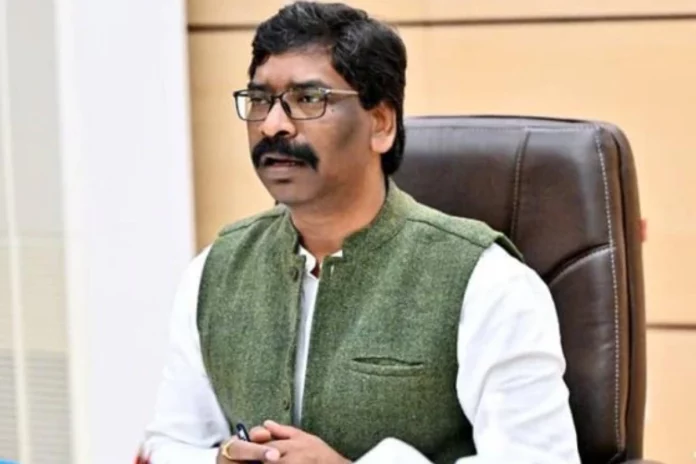
Jharkhand News: Hemant Soren Urges Devotees to Report Issues at Shravani Mela 2026 Through QR Code System

News: The Jharkhand government has introduced a QR code-based grievance system for Shravani Mela 2026, allowing pilgrims to report civic and public service issues directly from the fairgrounds.

Jharkhand News: Hemant Soren Urges Devotees to Report Issues at Shravani Mela

According to information shared by the state’s Information and Public Relations Department (IPRD), visitors can scan the QR code and upload a photograph along with details of the problem. Complaints related to cleanliness, drinking water, toilets, health camps, holding points, and other public facilities can be submitted through the digital platform.

Shravani Mela 2026 Through QR Code System

The initiative, promoted under the leadership of Chief Minister Hemant Soren, aims to improve the overall management of the annual pilgrimage by enabling authorities to respond more quickly to issues reported by devotees.

Officials said the QR code-based complaint mechanism is designed to strengthen real-time monitoring and ensure that essential services remain accessible throughout the fair. The move is expected to enhance the experience of thousands of pilgrims visiting Jharkhand during the Shravani Mela.

The government has encouraged all visitors to make use of the digital facility whenever they notice any inconvenience or shortcomings in public arrangements within the mela area.

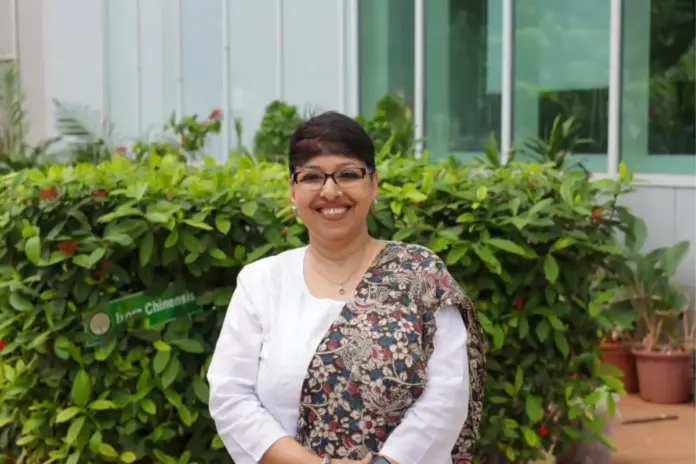
The Psychology of Harassment: It Was Never About the Victim

Dr Srabani Basu

One morning, a highly competent professional walked into work with a knot in her stomach. Nothing overt had happened the previous day. No shouting. No public humiliation. No threatening email.

Just a few familiar moments.

Her suggestions had once again been ignored until someone else repeated them. A sarcastic smile followed her presentation. A passing remark questioned whether she was “really ready” for greater responsibility. The room laughed. She smiled too. What else could she do?

By the end of the day, she was no longer questioning her colleagues.

She was questioning herself.

The tragedy of harassment is that it often succeeds long before it becomes visible. Before reputations are damaged, confidence is quietly eroded. Before careers are affected, identities begin to fracture. The deepest wounds are rarely inflicted in a single dramatic event. They are created through countless psychological paper cuts that eventually make a person doubt their own worth.

Harassment is often mistaken for aggression. It is not.

Aggression can erupt in a moment of anger. Harassment is something else entirely. It is repetitive, deliberate, and psychological. It is less about hurting someone once and more about teaching someone where they “belong.” Its true currency is not violence but control.

That is why psychologists increasingly view harassment not as an expression of temperament but as an expression of power.

The uncomfortable truth is this: people rarely harass because they are emotionally strong. More often, harassment is the behavioural language of insecurity wearing the costume of authority.

Harassment is often mistaken for aggression. It is not.

Aggression can erupt in a moment of anger. Harassment is something else entirely. It is repetitive, deliberate, and psychological. It is less about hurting someone once and more about teaching someone where they “belong.” Its true currency is not violence but control.

That is why psychologists increasingly view harassment not as an expression of temperament but as an expression of power.

The uncomfortable truth is this: people rarely harass because they are emotionally strong. More often, harassment is the behavioural language of insecurity wearing the costume of authority.

One of the most consistent findings across decades of psychological research is that harassment flourishes where there are significant power differentials. Whether in schools, workplaces, academic institutions, families, or online communities, the harasser typically occupies or attempts to create a position from which another person becomes psychologically smaller.

The National Academies of Sciences, Engineering, and Medicine argues that harassment is fundamentally intertwined with the misuse of power. Hierarchical environments, where authority is concentrated and accountability is weak, consistently show higher rates of harassment. The greater the imbalance of power, the greater the psychological harm experienced by those who are targeted.

This immediately shifts the conversation. Harassment is not merely interpersonal conflict. It is an attempt to regulate another person’s psychological space.

Social psychologist David McClelland described one of the fundamental human motives as the need for power. In psychologically healthy individuals, power is expressed through leadership, influence, mentoring, or responsibility.

In unhealthy forms, power becomes domination. The objective is no longer “to lead.” The objective becomes “to make someone feel smaller.”

French and Raven’s classic theory of social power reminds us that individuals can exercise power through authority, rewards, punishments, expertise, or control over information. Harassment often represents the abusive side of these power mechanisms, especially coercive power, where fear becomes the preferred method of influence.

Perhaps the greatest irony is that many chronic harassers do not possess exceptionally high self-esteem. They possess fragile self-esteem.

Research in personality psychology has repeatedly distinguished secure confidence from narcissistic vulnerability. Secure individuals rarely require constant demonstrations of superiority. Fragile egos, however, depend upon comparison.

Someone else’s competence becomes threatening. Someone else’s popularity becomes offensive. Someone else’s independence becomes intolerable.

Harassment therefore functions as an unconscious strategy to restore psychological equilibrium.

“If I cannot become taller, I shall reduce your height.”

The behaviour is cruel. The underlying psychology is surprisingly fragile.

Carl Jung suggested that what remains unintegrated within ourselves often appears intolerable when encountered in others.

Modern psychology describes a similar process through projection.

The colleague accused of arrogance may simply possess the confidence the harasser secretly wishes they had.

The outspoken employee may activate the harasser’s own fear of inadequacy. The creative thinker may expose intellectual insecurity. Instead of integrating these uncomfortable emotions, the psyche externalises them. The internal conflict becomes an interpersonal conflict. The victim becomes the screen upon which unresolved anxieties are projected.

Harassment becomes psychologically easier once empathy begins to disappear.

Albert Bandura described this process as moral disengagement—the cognitive mechanisms through which people justify behaviours they would otherwise consider unethical.

Victims become “overly sensitive.” Complaints become “jokes.” Cruelty becomes “feedback.” Exclusion becomes “team culture.” Language gradually sanitises behaviour. Once empathy is replaced by justification, harassment no longer feels immoral to the perpetrator. It feels deserved.

One of the least discussed psychological aspects of harassment is not the harasser.

It is everyone else. Classic research by John Darley and Bibb Latané demonstrated the bystander effect: responsibility diffuses when many people witness wrongdoing. But organisational psychology adds another layer. People calculate consequences.

Will speaking up affect my promotion?

Will I become the next target?

Will anyone believe me?

Silence, therefore, is often not agreement. It is self-preservation. Unfortunately, every silence also communicates something to the harasser:

“No one will stop you.”

Physical injuries announce themselves. Psychological injuries often do not. Repeated harassment activates the body’s stress systems, increasing vigilance, anxiety, emotional exhaustion, sleep disturbances, impaired concentration, and, in some individuals, symptoms resembling trauma.

Martin Seligman’s work on learned helplessness offers another explanation. When repeated attempts to stop mistreatment fail, individuals may gradually stop trying—not because they lack courage, but because the mind begins to believe that nothing it does will change the outcome.

This is why harassment can continue for years. The victim is not passive. The nervous system has simply adapted to survive.

Research reviewed by the American Psychological Association similarly concludes that workplace harassment is not merely an interpersonal inconvenience but an occupational health issue with significant psychological consequences. Organisational climate, leadership behaviour, and perceived accountability strongly influence whether harassment flourishes or diminishes.

Many organisations invest heavily in compliance training. Far fewer invest in culture. Policies punish behaviour. Cultures shape behaviour before punishment becomes necessary.

Psychological safety; the belief that one can speak without fear of humiliation or retaliation, has emerged as one of the strongest protective factors against harassment. Where questioning authority is welcomed, harassment struggles to survive. Where fear governs communication, harassment becomes remarkably adaptive.

Perhaps the greatest misconception about harassment is that it reveals strength. Psychologically, it reveals dependence. A genuinely secure mind does not need smaller people in order to feel larger. It does not require humiliation to establish significance. It does not manufacture fear to maintain influence.  Harassment is not confidence expressed loudly. It is insecurity seeking witnesses.

The healthiest societies, classrooms, families, and organisations are not those without differences in power. They are those in which power is exercised with accountability, empathy, and respect because the opposite of harassment is not punishment. The opposite of harassment is psychological maturity.

By – Dr Srabani Basu, Associate Professor, Department of Literature and Languages, SRM University AP


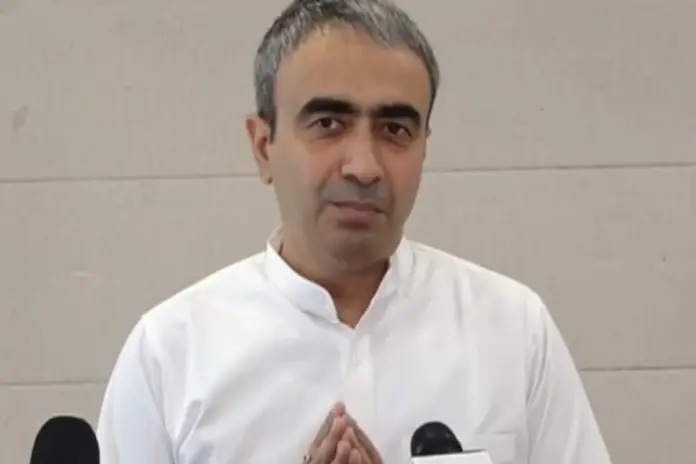
Anurag Dhanda: AAP and BJP Spar Over SIAM’s Ethanol Fuel Recommendations Amid E20 Policy Debate

A fresh political debate has emerged over India’s ethanol-blended fuel policy after the Society of Indian Automobile Manufacturers (SIAM) issued a clarification regarding media reports based on excerpts from its earlier communication to the government.

Anurag Dhanda: AAP and BJP Spar Over SIAM’s Ethanol Fuel Recommendations

The controversy intensified after AAP leader Anurag Dhanda claimed that SIAM’s recommendations to the Government of India clearly state that the availability of E10 fuel for existing vehicles is essential. He alleged that this recommendation contradicts claims made by the Bharatiya Janata Party (BJP) and accused the party of spreading misinformation regarding the transition to E20 fuel.

The remarks came in response to BJP IT Cell head Amit Malviya

The remarks came in response to BJP IT Cell head Amit Malviya, who stated that AAP national convener Arvind Kejriwal had presented a misleading narrative on the issue. Malviya cited SIAM’s clarification, arguing that selective excerpts from an internal industry communication had been taken out of context and that the automobile industry continues to support the Government of India’s E20 ethanol-blending programme.

SIAM, in its clarification, said the communication referred to in media reports was part of routine technical discussions among industry stakeholders, oil marketing companies, automobile manufacturers, and testing agencies. The industry body noted that fuel quality in India is monitored through an extensive regulatory framework covering more than 150 parameters and that some figures mentioned in the earlier communication require further authentication through wider data collection and consultations.

The automobile industry body also reiterated its support for the Government of India’s ethanol blending initiative, describing the E20 programme as important for improving energy security and reducing dependence on fossil fuels. SIAM added that oil marketing companies have introduced multiple quality-control measures, including regular fuel testing and monitoring at retail outlets.

At the centre of the political disagreement is SIAM’s earlier recommendation that E10 petrol should continue to remain available for existing vehicles during the transition to higher ethanol blends. Supporters of the recommendation argue that maintaining E10 availability would help owners of older vehicles that may not be fully compatible with E20 fuel, while allowing a gradual shift toward higher ethanol blending for newer vehicles.

The debate has highlighted differing political interpretations of SIAM’s recommendations. While AAP leaders argue that the recommendation validates concerns about the impact of E20 on existing vehicles, BJP leaders maintain that SIAM’s clarification confirms the industry’s continued support for the government’s ethanol roadmap and that transitional fuel availability does not amount to opposition to the E20 policy.

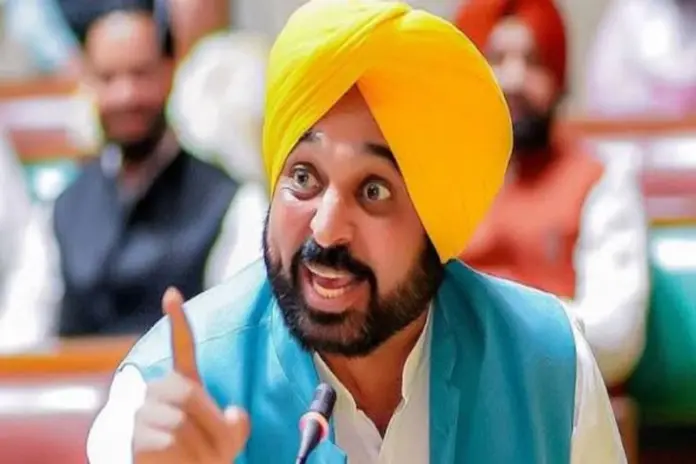
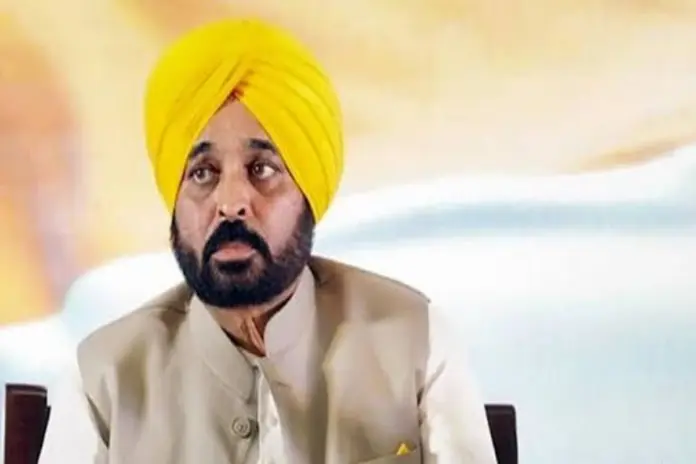
Bhagwant Mann Police Arrests 139 Drug Smugglers, Seizes 12 Kg Heroin in Ongoing Anti-Drug Drive

Bhagwant Mann has intensified its anti-drug campaign under the ongoing “Yudh Nashian Virudh” initiative, reporting significant action against drug trafficking networks across the state.

Bhagwant Mann Police Arrests 139 Drug Smugglers

According to the police, 139 alleged drug smugglers were arrested during the latest operation, marking Day 522 of the statewide crackdown. The operation forms part of the department’s continued efforts to curb the illegal drug trade and dismantle narcotics supply chains.

Seizes 12 Kg Heroin in Ongoing Anti-Drug Drive

During the operation, police recovered 12 kilograms of heroin, 301 grams of opium, 9.2 kilograms of poppy husk, 1,114 intoxicant pills, and ₹41,700 in suspected drug money from the possession of the accused. The seized narcotics and cash have been taken into custody as part of the ongoing investigations.

Officials stated that the campaign focuses not only on enforcement but also on rehabilitation. As part of the latest drive, 16 individuals were counselled and persuaded to undergo de-addiction and rehabilitation treatment, reflecting the government’s dual approach of strict law enforcement alongside support for those battling substance addiction.

Punjab Police said sustained operations are being carried out across the state to identify drug traffickers, disrupt supply networks, and strengthen public safety. Authorities have reiterated their commitment to taking stringent action against individuals involved in the narcotics trade while promoting rehabilitation for people affected by drug abuse.

The anti-drug campaign has been a key component of the Punjab Government’s efforts to address substance abuse through coordinated policing, intelligence-based operations, and awareness initiatives. Officials have urged citizens to cooperate with law enforcement agencies by reporting drug-related activities to help create a drug-free Punjab.

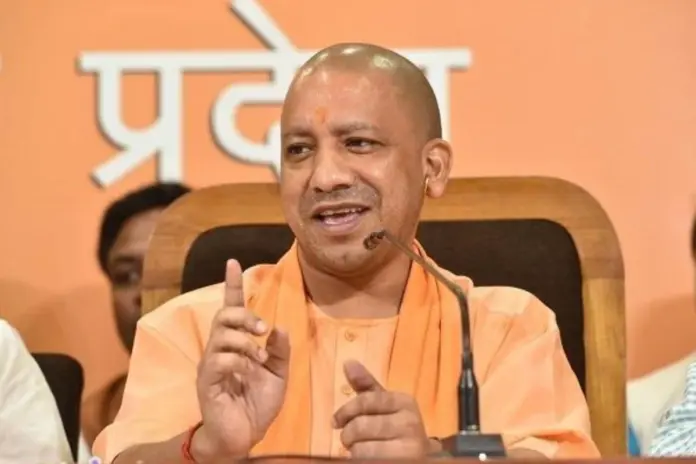
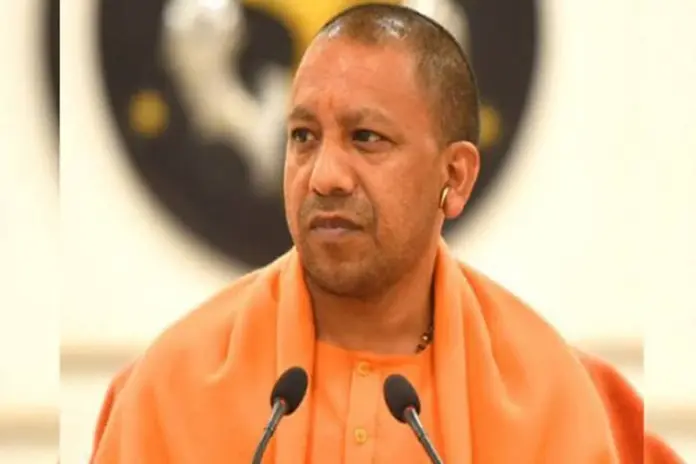
UP CM Yogi Adityanath Government Allocates ₹100 Crore for Free Bus Travel Scheme for Women Aged 60 and Above

CM- Yogi- Adityanath
Google

The Uttar Pradesh CM Yogi Adityanath Government has announced a new initiative to provide free travel on state-run roadways buses for women aged 60 years and above, reinforcing its focus on social welfare and senior citizen support.

UP CM Yogi Adityanath Government Allocates ₹100 Crore

Under the leadership of Chief Minister Yogi Adityanath, the state government has made a ₹100 crore provision in the Supplementary Budget 2026–27 to compensate the Uttar Pradesh State Road Transport Corporation (UPSRTC) for implementing the scheme.

Free Bus Travel Scheme for Women Aged 60 and Above

According to the government, the financial allocation has been earmarked as reimbursement for the free travel facility, ensuring that eligible senior women can benefit from the initiative without affecting the operational finances of the state transport system.

The proposed scheme aims to improve mobility for elderly women by making public transportation more accessible and affordable. Free bus travel is expected to help beneficiaries travel for medical appointments, religious visits, family engagements, and other essential purposes without bearing transportation costs.

Officials said the initiative is part of the government’s broader efforts to enhance social security measures and improve the quality of life for senior citizens. By reducing travel expenses, the scheme seeks to promote greater independence and easier access to essential services.

The allocation in the Supplementary Budget 2026–27 reflects the state’s emphasis on welfare-oriented policies targeting vulnerable sections of society. The government believes the initiative will provide meaningful financial relief to elderly women while encouraging the use of public transport across Uttar Pradesh.

Further details regarding the implementation process, eligibility verification, and the rollout timeline are expected to be announced by the concerned authorities.

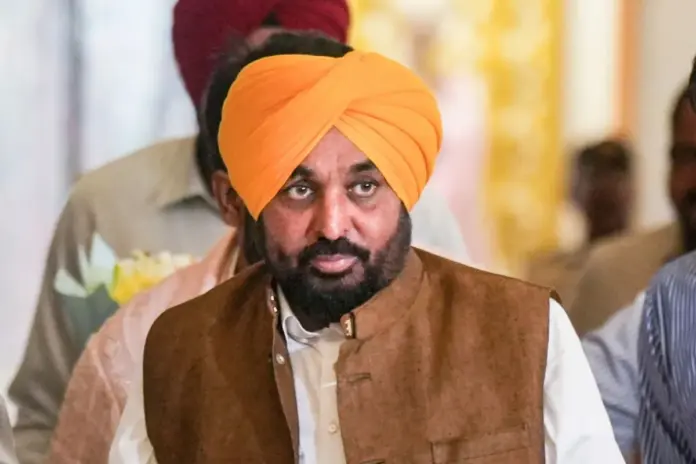
Bhagwant Mann Government Plans Modern Campus for Ghanaur Government School After Securing 5 Acres of Land

The Bhagwant Mann Government has announced a major infrastructure upgrade for Government Senior Secondary School, Ghanaur, as part of its ongoing efforts to strengthen public education across the state.

Bhagwant Mann Government Plans Modern Campus

Punjab Education Minister Harjot Singh Bains said the school is set to undergo a significant transformation following the government’s investment in modern educational facilities. According to the minister, nearly ₹1 crore has already been spent on developing modern classrooms and well-equipped science laboratories to improve the learning environment for students.

Modern Campus for Ghanaur Government School After Securing 5 Acres of Land

In another key development, the government has secured 5 acres of land for the construction of a modern school campus. The new campus is expected to provide expanded academic infrastructure, enhanced facilities, and a better educational experience for students in the region.

The minister stated that the architectural design for the new campus is currently being finalized, and construction work is expected to begin soon after the planning process is completed. The project aims to create a modern educational institution equipped to meet the growing needs of students and teachers.

The initiative forms part of the Punjab Government’s broader strategy to upgrade government schools by improving infrastructure, introducing modern teaching facilities, and creating better learning spaces. Investments in classrooms, laboratories, libraries, and digital education have been key areas of focus under the state’s education reforms.

According to the government, strengthening public schools is essential for improving access to quality education and preparing students for future academic and career opportunities. Enhanced infrastructure is also expected to provide teachers with improved resources for delivering practical and technology-driven education.

Harjot Singh Bains emphasized that every investment in school infrastructure represents an investment in the future of Punjab’s children. The government believes that modern educational institutions will play a vital role in building a skilled, educated, and empowered generation while contributing to the state’s long-term social and economic development.

UP CM Yogi Adityanath Government Allocates Over ₹17,942 Crore to Rural Development in Supplementary Budget 2026–27

The CM Yogi Adityanath Government has announced an allocation of more than ₹17,942.73 crore for the Rural Development Department in the Supplementary Budget 2026–27, aiming to accelerate infrastructure development and improve livelihoods across rural areas.

UP CM Yogi Adityanath Government Allocates Over ₹17,942 Crore

The announcement was made under the leadership of Chief Minister Yogi Adityanath, with the government stating that the enhanced budgetary support will help strengthen rural infrastructure and promote inclusive development throughout the state.

Rural Development in Supplementary Budget 2026–27

According to the government, the allocation is expected to generate new employment opportunities while providing momentum to key rural development initiatives. These include the construction of rural roads, expansion of housing projects, and livelihood enhancement programmes designed to improve the quality of life for rural communities.

A significant portion of the funding will support ongoing and new development projects in villages, with a focus on improving basic infrastructure and ensuring that government welfare programmes reach beneficiaries more effectively. The government has stated that investments in rural areas remain a priority to promote balanced regional development.

The budgetary provision is also expected to strengthen implementation of various flagship rural development schemes by providing departments with additional financial resources. Improved road connectivity and better housing infrastructure are likely to enhance access to education, healthcare, and markets for people living in rural regions.

Officials believe that increased spending on rural infrastructure can contribute to higher economic activity by creating direct and indirect employment opportunities during the execution of development projects. Better infrastructure is also expected to support agricultural and allied sectors by improving transportation and market access.

The Uttar Pradesh Government has reiterated that rural development remains a key pillar of its governance agenda. Through sustained investment in infrastructure, housing, employment generation, and livelihood programmes, the administration aims to improve living standards and encourage long-term economic growth across villages.

The allocation in the Supplementary Budget 2026–27 reflects the state’s continued emphasis on strengthening rural infrastructure while ensuring that development initiatives are implemented efficiently. The government expects the additional funding to accelerate project execution and deliver tangible benefits to rural communities in the coming months.

Bhagwant Mann Government’s Underground Power Supply Pilot in Satouj Sets New Benchmark for Rural Infrastructure

Bhagwant- Mann
Google

The Bhagwant Mann Government has highlighted the progress of its underground power supply pilot project launched in Satouj village, describing it as a significant step toward modernizing the state’s electricity infrastructure.

Bhagwant Mann Government’s Underground Power Supply Pilot

According to the government, the initiative was introduced under the leadership of Chief Minister Bhagwant Mann with the objective of providing a more reliable and efficient power distribution system in rural areas. The project is designed to replace overhead electricity lines with underground cables, reducing power disruptions caused by adverse weather conditions and improving overall safety.

Satouj Sets New Benchmark for Rural Infrastructure

Officials say the initiative also addresses a long-standing concern for farmers by eliminating electricity poles standing in agricultural fields. This is expected to provide greater convenience during farming operations while making better use of cultivable land.

The state government believes the pilot project has the potential to become a model for other regions if implemented successfully on a larger scale. By improving power infrastructure, the administration aims to strengthen electricity supply, reduce maintenance challenges, and support long-term rural development.

The Punjab Government has presented the Satouj project as part of its broader efforts to modernize public infrastructure and enhance essential services for residents across the state. Further expansion of the underground power supply network is expected to be considered based on the project’s performance and outcomes.

Rajasthan Viral Video: Roof Allegedly Collapses On Lady Coming Out of Churu Hospital, Incident Raises Patient Safety Concerns

Rajasthan- Viral- Video
Google

Rajasthan Viral Video: Viral Video from Rajasthan in which a lady is seen hurt after ceiling plaster allegedly falls on her in a government hospital of Churu has become a matter of concern for patient safety and hospital infrastructure. This video was recorded after the lady had completed her treatment at Government Fatehpuria Mother and Child Hospital in Sujangarh.

What Happened in Churu Hospital?

According to reports, CCTV footage from August 5, 2026, showed ceiling plaster from the veranda of the hospital collapsing on a female patient while she was leaving after treatment. The woman, identified as 25-year-old Kiran Meghwal, suffered head injuries and required two stitches. Hospital authorities stated that the building had seepage issues due to rain and that a repair request had already been sent to the Public Works Department (PWD) before the incident.

Old Infrastructure Brings in Safety Threats

The matter has once again brought into light the status of some of the hospital structures maintained by the state government in Rajasthan. Other incidents of this nature have also taken place in other parts of the districts, raising concern among citizens regarding the maintenance and repair of such structures. Experts have also raised the issue of the importance of conducting regular inspections and taking quick steps regarding infrastructure-related complaints in order to avoid such accidents in the future.

CCTV Footage Generates Public Controversy

The viral video posted on social media has ignited a debate regarding the safety of the patients and visitors in government hospitals. People have raised doubts regarding the conduct of maintenance checks in older hospital structures.

People’s Opinions 

Following the incident, many people expressed concern over the safety conditions of government hospitals and the need for better maintenance systems. Several citizens questioned why infrastructure issues in healthcare facilities are not addressed before they become serious risks for patients and visitors. The incident has increased public demand for regular inspections, faster repairs, and stronger accountability to ensure safer hospital environments.

Note: This Article has been done on the information provided in this viral video/ post. DNP India doesn’t endorse, subscribe or verify the claims.

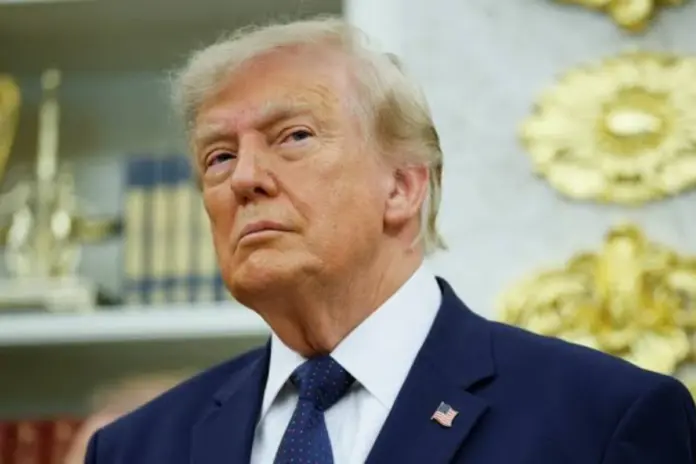
Donald Trump Reveals Big on US Iran War, Says ‘They Called Me And Said, Please Don’t…’

US -Iran- War
Google

US Iran War: US and Iran are currently fighting an unceasing war, which has once again turned into an unpredictable one after US President, Donald Trump made a new statement on recent developments. In speaking to the media, the President mentioned that after the military intervention by the US, people from Iran approached with a message that said, “Please don’t…”, showing that they would like to prevent further conflict.

Donald Trump Makes a New Claim

In a recent engagement with the media, President Trump shared that representatives from Iran contacted him in regard to some military activities that took place recently. In his opinion, they were trying to make him refrain from escalating the conflict any further. Even though his statement received much attention worldwide, there has been no official comment from the Iranian side in relation to this claim.

What Did Trump Mean?

Trump suggested that the message reflected Iran’s desire to avoid a larger military confrontation. He reiterated that although the United States is prepared to protect its interests, he would prefer a diplomatic solution over prolonged conflict. His comments come at a time when both countries continue to exchange strong political messages while leaving the door open for negotiations.

US-Iran Tensions Continue

Relations between the United States and Iran have remained strained over issues including Iran’s nuclear programme, regional security, and sanctions. Recent military actions have further heightened concerns about the possibility of wider conflict across the Middle East. Several countries have urged both sides to exercise restraint and prioritise dialogue to prevent further escalation.

Global Leaders Closely Monitoring the Situation

Trump’s latest remarks have once again placed the US-Iran conflict in the international spotlight. Governments around the world are closely following developments, fearing that any further escalation could impact global security, energy markets, and regional stability. Diplomatic efforts continue behind the scenes as multiple nations encourage both sides to return to negotiations.

Strait of Hormuz Deal Done? US Iran War to End? Can India Breathe a Sigh of Relief

Strait- of- Hormuz
Google

Strait of Hormuz: Iran’s Foreign Ministry confirmed it has settled on the coordinates of a new commercial shipping route through Hormuz with Oman, with a joint statement reportedly in final drafting stage. Sources told Reuters the proposed arrangement would hand Tehran control over inbound traffic entering the Gulf, described as one of the biggest concessions to Iran since the conflict began. Iranian officials, however, have pushed back on claims that a full deal is imminent.

Why the Strait Isn’t Actually Reopening Yet

Iran’s Foreign Ministry spokesperson made clear that an understanding with Oman does not by itself make the strait safe for passing vessels. Tehran says real security depends on the US lifting its naval blockade on Iranian ports and halting strikes on Iranian infrastructure. Houthi forces, meanwhile, continue targeting tankers linked to the blockade, having turned away dozens of ships in recent weeks.

Is the Broader US-Iran War Ending

The crisis traces back to February 28, when a US-Israeli air campaign and the killing of Iran’s supreme leader triggered Iranian retaliation across the Gulf, and has since involved a US naval blockade, an aerial campaign, and heavy shipping losses. A brief April ceasefire had reopened the strait before tensions flared again. The current Oman talks are a step toward de-escalation, but not confirmation that hostilities are over.

What This Means for India

India was among the countries Iran had earlier granted continued access to the strait, alongside China and Russia, even during the worst of the blockade. A durable reopening would ease pressure on India’s oil imports and shipping costs, both stretched by months of disruption. For now though, with Tehran tying real normalisation to US action.

Is Govt Ready to Soften Stand on FCRA Bill? What it Means for the Opposition

FCRA- Bill
Google

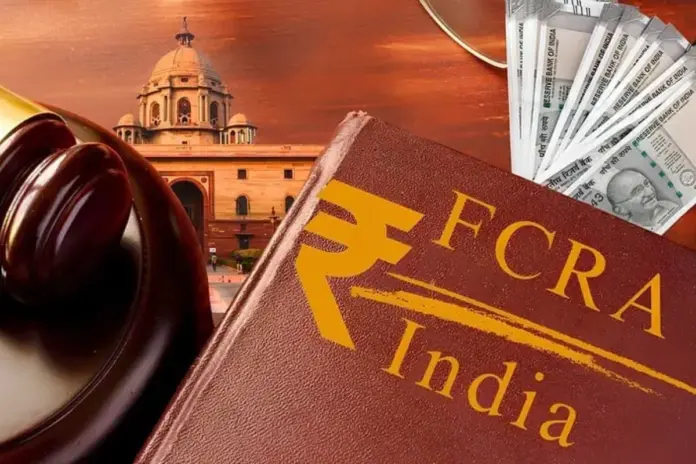
FCRA Bill: The Foreign Contribution (Regulation) Amendment Bill, 2026, first introduced in March, is expected to be taken up again in the Lok Sabha, with Union Home Minister Amit Shah likely to address the House. The government maintains the bill will tighten oversight of foreign donations to NGOs, close procedural gaps, and improve monitoring of assets built from foreign funds.

Rijiju-Rahul Meeting Signals a Possible Thaw

Parliamentary Affairs Minister Kiren Rijiju met Leader of the Opposition Rahul Gandhi, along with Priyanka Gandhi Vadra, in a meeting that ran close to an hour. Rahul Gandhi reportedly conditioned Opposition cooperation on two demands: a statement from Amit Shah on police action against students protesting the alleged NEET paper leak, and a Parliament discussion on the alleged Ram Temple donation theft. The Opposition has also flagged Shah’s absence from recent proceedings as a sticking point.

What the Government Is Weighing

Rijiju also sounded out Rahul Gandhi on the proposed 131st Constitutional Amendment Bill, covering Women’s Reservation and the long-frozen question of Lok Sabha and Assembly delimitation, due to lapse this year. Gandhi said he would consult allies before staking out a position. Rijiju has since ruled out extending the Monsoon Session or calling a special sitting, despite earlier reports suggesting a three-day special session from August 17.

What It Means for the Opposition

FCRA Bill: The government’s willingness to sit down and negotiate suggests some flexibility on procedure, even as it holds firm on the substance of the FCRA Bill itself. For the Opposition, the leverage lies less in blocking the bill outright and more in extracting concessions elsewhere- a ministerial statement, a debate slot- before letting Parliament function smoothly. Whether that counts as the government “softening” or simply managing optics is likely to shape how both sides frame the coming session.

Kota to Prayagraj, Can Rahul Gandhi’s ‘Chhatron Ki Goonj’ Reshape India’s Youth Politics? But What Happened to the Ground

Rahul- Gandhi
Google

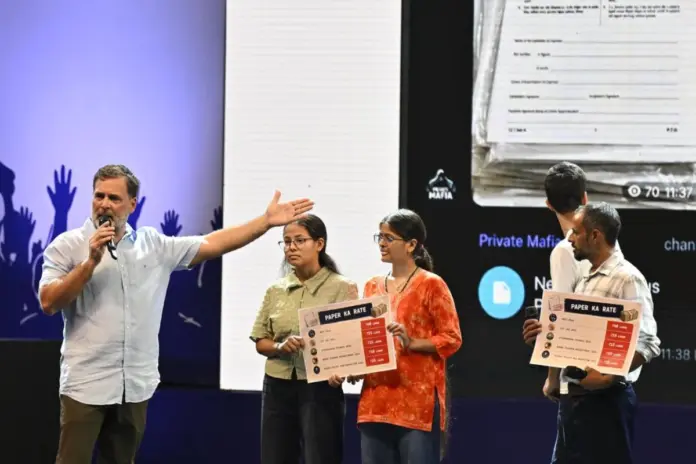
Rahul Gandhi: Rahul Gandhi’s ‘Chhatron Ki Goonj’ campaign began with a rally in Kota, Rajasthan, where he accused coaching institutes of exploiting students under pressure. The campaign then moved to Dehradun, Uttarakhand, where he raised allegations of rigged recruitment exams and leaked papers. Gandhi has framed each stop around a different failure point in India’s education and employment system, tying local grievances to a national narrative of a “job crisis.”

Prayagraj Leg Set for August 8

The Congress leader is scheduled to lead the next leg in Prayagraj, Uttar Pradesh, on August 8 at 5 PM, where the focus shifts to unemployment and alleged irregularities in government recruitment. Gandhi shared a promotional video carrying the slogan “Job nahi milega to singhasan hilega,” signalling an aggressive tone against the BJP-led governments at the Centre and in the state.

But What Happened on the Ground

Just a day before the event, KP College in Prayagraj revoked permission for its sports ground, citing academic concerns and a High Court order. The move has thrown logistics into uncertainty. Uttar Pradesh Congress chief Ajay Rai insisted the event would proceed regardless, saying the party would push forward “whether it rains, hails, or storms.”

What This Means for Youth Politics

Rahul Gandhi: Whether ‘Chhatron Ki Goonj’ becomes a genuine youth-mobilisation tool or another short-lived yatra moment may depend less on Gandhi’s messaging and more on whether state-level roadblocks like the Prayagraj venue row keep recurring. For now, the campaign’s momentum is being tested as much on the ground as on the stage.

Sheikh Hasina Sets the Alarm Bells Ringing in Bangladesh! Son Openly Warns of ISI, Shaqib Al Hasan House Attacked, Check Latest Update

Shiekh -Hasina
Google

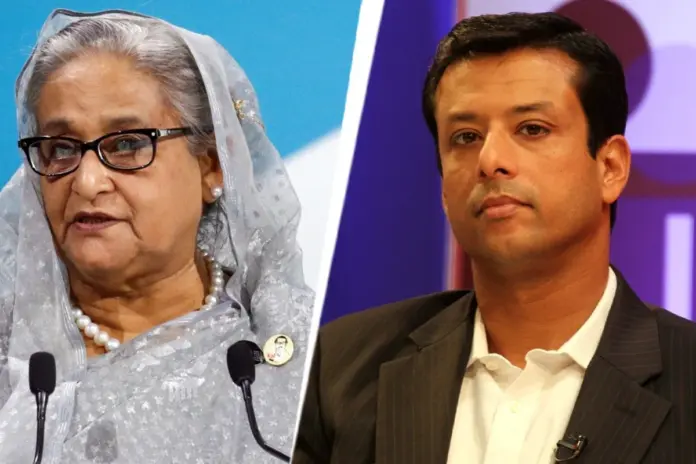
Shiekh Hasina: Bangladesh has made its way back into the limelight because of two recent events. The son of former Prime Minister Sheikh Hasina, Sajeeb Wazed Joy, has made claims about the presence of Pakistan‘s ISI in Bangladesh being a matter of concern for India. The reports of an attack on the house of cricketer Shaqib Al Hasan have also added to the list of existing problems in the country.

Statement by Sheikh Hasina’s Son

Wazed Joy accused Pakistan’s ISI of having a “free hand” in Bangladesh and stated that this could be a matter of security for India. His statement has once again brought up the matter of regional stability and security.

Importance of the Statement

The statements of Sajeeb Joy were made during the continuing political instability in Bangladesh. Though his statement has generated a lot of debate and discussion, there hasn’t been any concrete evidence to support what he said.

Shaqib Al Hasan’s House Reportedly Attacked

Adding to the unrest, reports claimed that the house of Bangladesh cricket star Shaqib Al Hasan was attacked by a group of people. The incident has raised fresh concerns over law and order during a politically sensitive period.

Political Climate Remains Tense

Bangladesh has witnessed political unrest and public demonstrations in recent months. The latest developments have intensified discussions about governance, security, and the country’s future political direction.

What It Means for India?

Shiekh Hasina: India closely follows developments in Bangladesh due to the strong diplomatic, economic, and security ties between the two countries. Any instability in Bangladesh is likely to have regional implications, making these developments significant for Indian policymakers.