


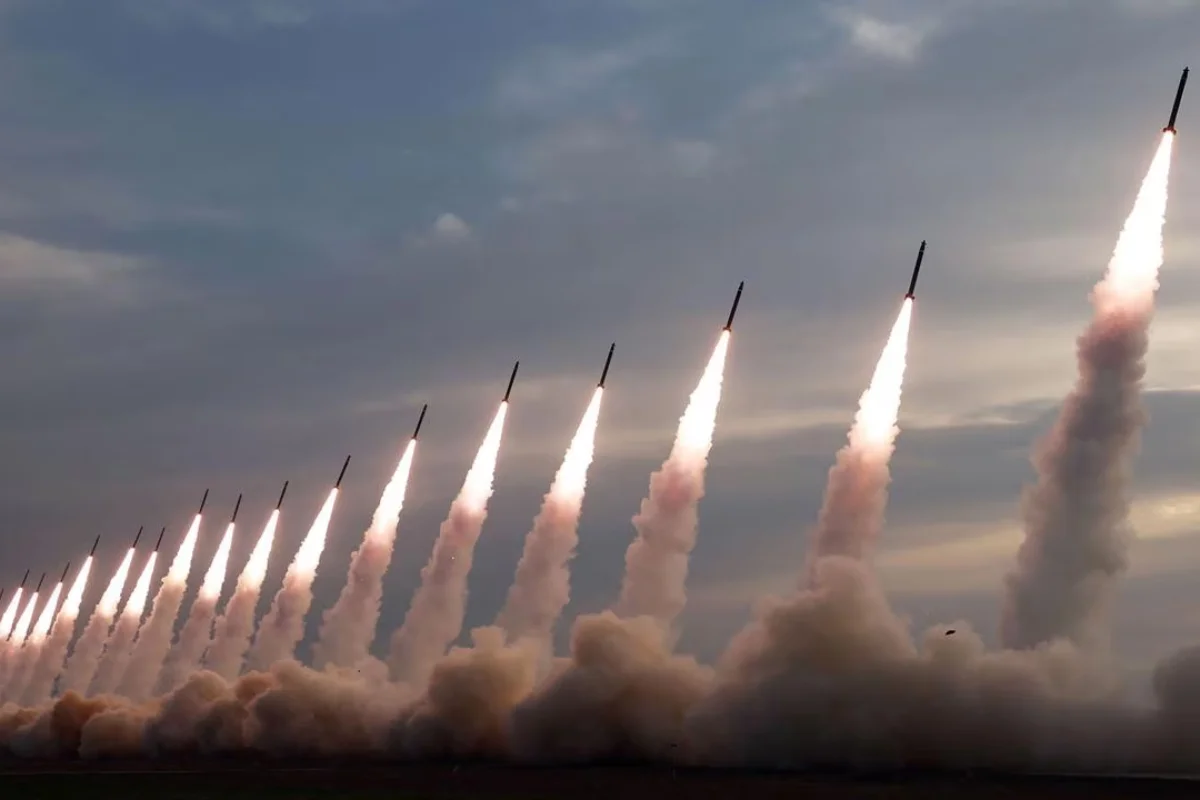
For the first time in history, humans hold tools powerful enough to end civilization. Scientists, military leaders and AI researchers have all warned that nuclear war and the misuse of artificial intelligence are among the biggest threats to our long-term survival. These risks are not science fiction. They are real, but they can be managed if we act in time.
The Nuclear War Threat Is Still Here
Nine countries hold roughly 12,000 nuclear warheads between them. Even a “limited” nuclear war could throw so much smoke into the sky that sunlight dims and crops fail across the planet. Researchers call this a nuclear winter, and studies suggest it could leave billions of people without enough food.
DON'T MISS
The danger rarely comes from a deliberate attack. Many of history’s closest calls were caused by false alarms, technical errors or misread signals. When leaders have only minutes to decide, a simple mistake can turn into a catastrophe.
How AI Misuse Could Raise the Stakes
Artificial intelligence is not dangerous on its own, but without safeguards it can multiply harm. Experts worry about weapons that choose targets without human judgment, and about criminals or hostile groups using AI to design dangerous viruses or attack power grids. They also fear fake news produced at massive scale, which could push rival countries toward conflict by spreading convincing lies.
The deepest concern is that AI could speed up nuclear decision-making. If machines shorten the time humans have to think, the chance of a fatal error grows.
What Can Save Humanity?
The good news is that human extinction is not inevitable. Solutions already exist, and the most important one is keeping humans in control. Experts widely agree that people, not machines, must make any decision to use nuclear weapons.
Strong arms control also matters. Treaties, inspections and open communication between rival nations reduce the risk of accidents and misunderstandings. At the same time, governments need clear rules for advanced AI, including safety testing, transparency and international cooperation, so that no company or country races ahead recklessly. Investing in AI safety research is just as vital, because making AI reliable and aligned with human values is one of the greatest scientific challenges of our time.
Ordinary people have a role too. Public pressure helped end nuclear testing and drive arms reduction in the past, and informed citizens can push for responsible leadership today.