

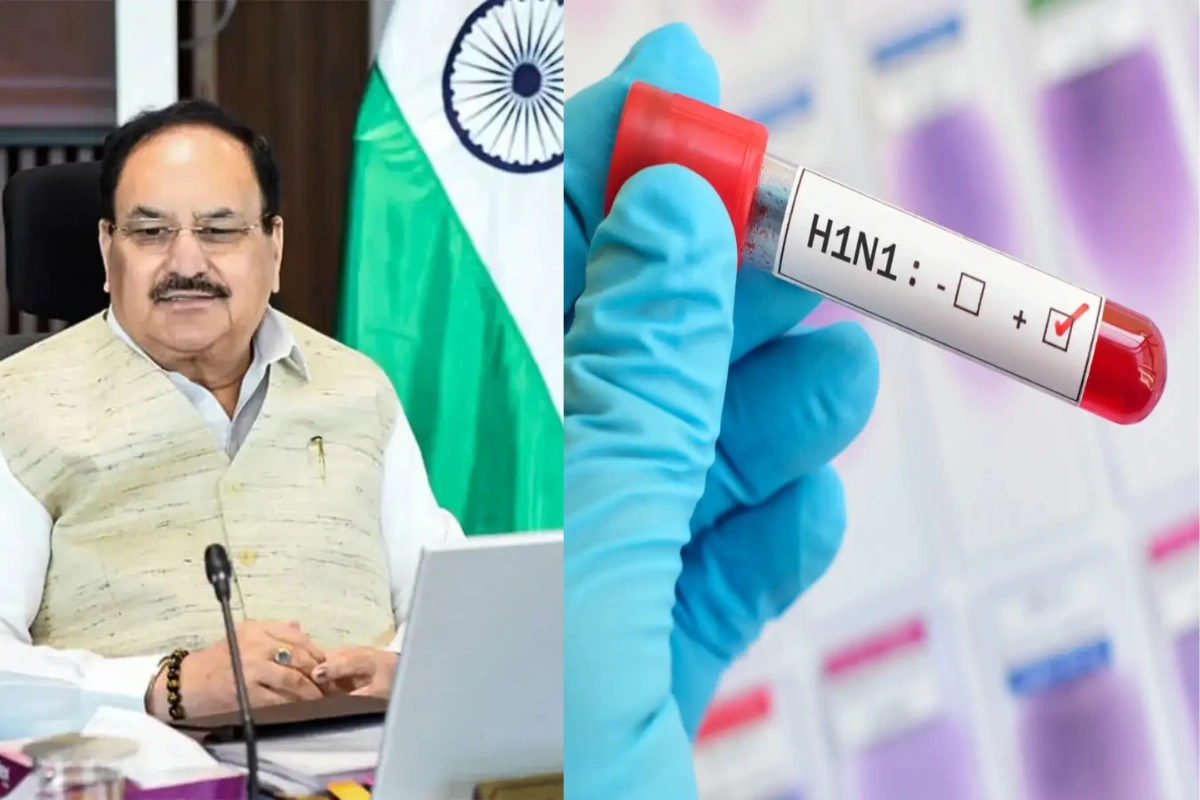
Delhi witnesses a spiking number of cases of H1N1 influenza, which is raising awareness about flu season and the importance of taking timely precautionary measures. There were 1,777 H1N1 cases in the capital during 2026 and the number of new cases reported in Delhi rose to 114 on August 20.
Why do H1N1 cases deserve your attention?
It is the subtype of influenza A that can be transmitted through respiratory secretions and close contact with infected people. According to recent surveillance data, this particular virus comprises a considerable proportion of respiratory illnesses observed in the country.It is essential to ensure timely detection, testing, and appropriate treatment to avoid further spread of the disease.
DON'T MISS
Common H1N1 Symptoms to Watch
H1N1 can cause symptoms similar to other forms of seasonal influenza. Common signs may include:
- Fever and chills
- Cough
- Sore throat
- Body aches
- Fatigue and weakness
- Headache
- Breathing difficulties in more serious cases
Measures that You Need to Take
Basic hygienic practices may prove effective in slowing down the spread of H1N1. Individuals must keep washing their hands, cover their mouth and nose when they are coughing or sneezing, and practice good respiratory hygiene. Anyone showing flu-like symptoms needs to avoid direct contact with people and seek medical consultation in case the symptoms are persistent or serious. An influenza vaccine might also lessen the severity of the disease, especially in vulnerable populations.
Health Care Preparedness Continues to Be a Priority
Surveillance and the laboratory network will continue to monitor the situation. The health care preparedness of Delhi is also under assessment in order to have enough beds, critical care, drugs, tests, and other necessary items. While increasing numbers do call for precaution, health experts are stressing the importance of vigilance, early diagnosis, and prompt treatment more than any alarm.


