

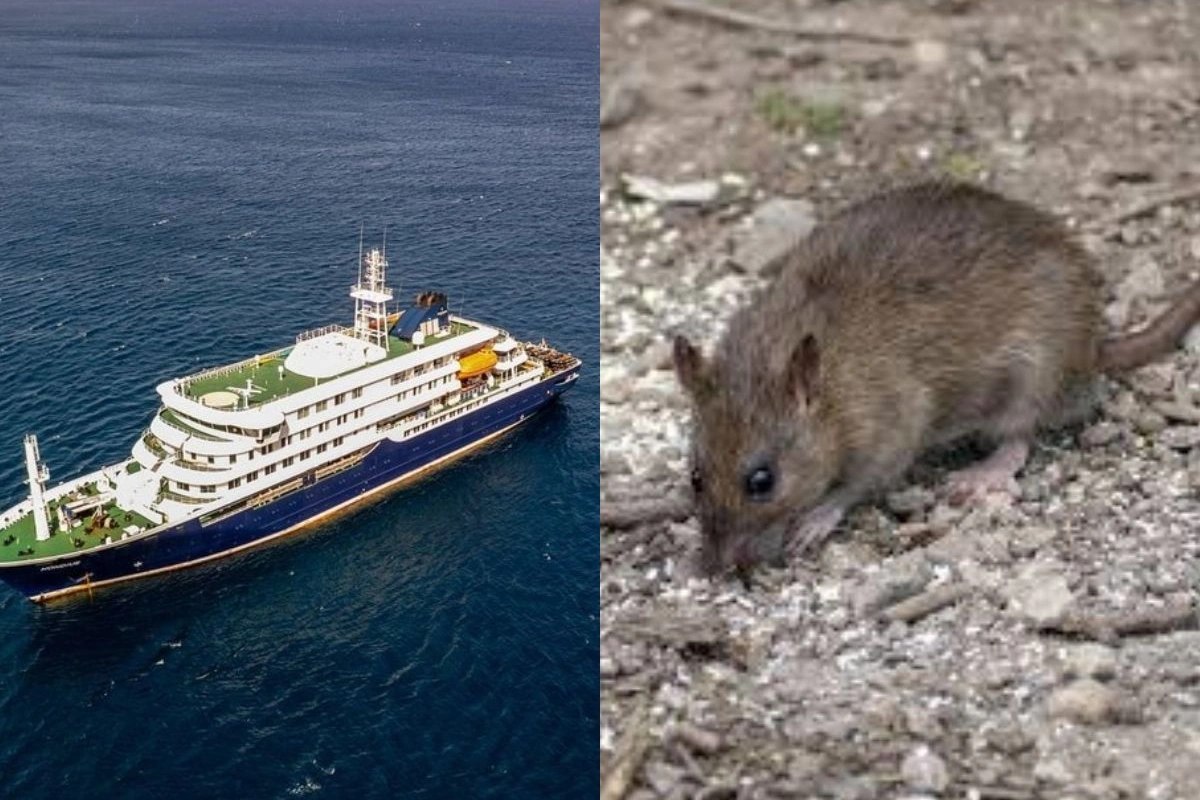
Hantavirus Outbreak: Medical experts across the world have raised alarms on the fatal Hantavirus outbreak on the MV Hondius cruise ship. While the virus itself is not new, its sudden emergence in a contained yet international setting has reignited discussions about zoonotic diseases, their transmission pathways and the growing need for vigilance in an increasingly interconnected world.
Hantavirus Outbreak-Turn Of Events
The ship left Argentina with 149 people on board on April 1 this year. Around April 6, a Dutch passenger started experiencing mild fever and tiredness. On April 11, a man died from severe and sudden breathing problems with no certainty about the exact death causes. Several cases appeared between April 6 and 28 that worried the ship’s medical teams. The ship was denied a halt at Cape Verde and passengers were asked to stay isolated in their respective cabins. Laboratory testing later confirmed Hantavirus infection, sparking immediate concern.
DON'T MISS
Now, Spain has offered permission to put the passengers on the Canary Islands.
What Is Hantavirus?
Hantavirus refers to a group of viruses carried by rodents and transmitted to humans primarily through contact with infected rodent excreta. Different strains exist worldwide, with varying clinical manifestations.
In the Americas, Hantavirus can cause Hantavirus Pulmonary Syndrome (HPS), a severe respiratory disease. In Europe and Asia, it is more commonly associated with Haemorrhagic Fever with Renal Syndrome (HFRS), which affects the kidneys.
Unlike many viral infections that spread easily between humans, Hantavirus transmission is typically zoonotic, meaning it jumps from animals to humans. Hantavirus infections, while rare, carry a significant mortality risk of approximately 30–40%, making it one of the more severe viral respiratory illnesses known.
Hantavirus is primarily transmitted through inhalation of aerosolized particles from rodent urine, droppings or saliva. Enclosed spaces, such as cabins or storage areas contaminated with rodent waste, can increase exposure risk. The incident underscores the importance of environmental hygiene, early symptom recognition and rapid diagnostic capabilities, especially in remote or semi-isolated settings like cruise ships.
Statement By WHO
According to a WHO official, a rare human-to-human transmission is likely to have occurred between close contacts on board the ship. Maria Van Kerkhove, the director of epidemic and pandemic preparedness and prevention at the WHO, remarked that WHO teams are presently working with the ship’s operators.


