

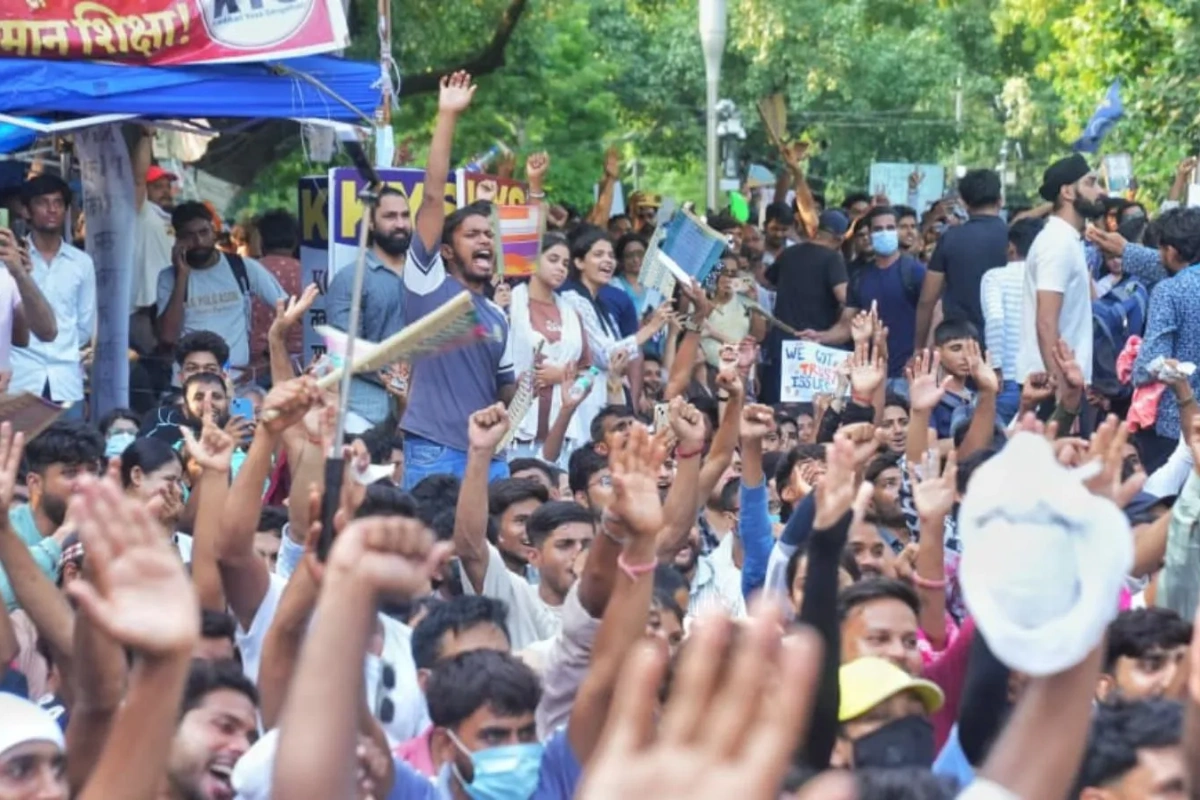
The Jantar Mantar protest has brought India’s reservation debate back into focus. Protesters are demanding reforms and greater emphasis on economic conditions when providing government benefits, education, scholarships, coaching, and other support.
Protesters ask for reforms in the current system
The protest was held under the banner of the Reservation Reform Andolan. The protesters asked for a review of the reservation system based on caste and related policies. As per reports, the protesters included individuals from unreserved communities and youths. It was said that people in difficult economic conditions must get help without taking into account the social standing of a person. The protests also had demands regarding changes to the existing laws and reservation policies concerning various communities.
DON'T MISS
Economic Criteria Takes Centre Stage
A key demand of the Jantar Mantar protest was greater emphasis on economic status. Demonstrators argued that financial hardship should be an important factor when deciding eligibility for certain government support and opportunities. The call reflects a broader and long-running debate over how India’s reservation system should balance social justice, historical disadvantage, and economic need. While the protesters supported a greater focus on economic criteria, the issue remains politically and socially complex.
Reservation Debate Returns to the Spotlight
The protest at Jantar Mantar has once again highlighted the different views surrounding reservation reform. Supporters of an economic-based approach believe financial conditions should receive greater importance, while others continue to stress the role of caste-based reservation in addressing historical and social inequality. Security personnel were deployed at the protest venue, and reports said that some protesters were detained during the demonstration. The latest protest shows that the debate over reservation continues to remain a major public and political issue


