

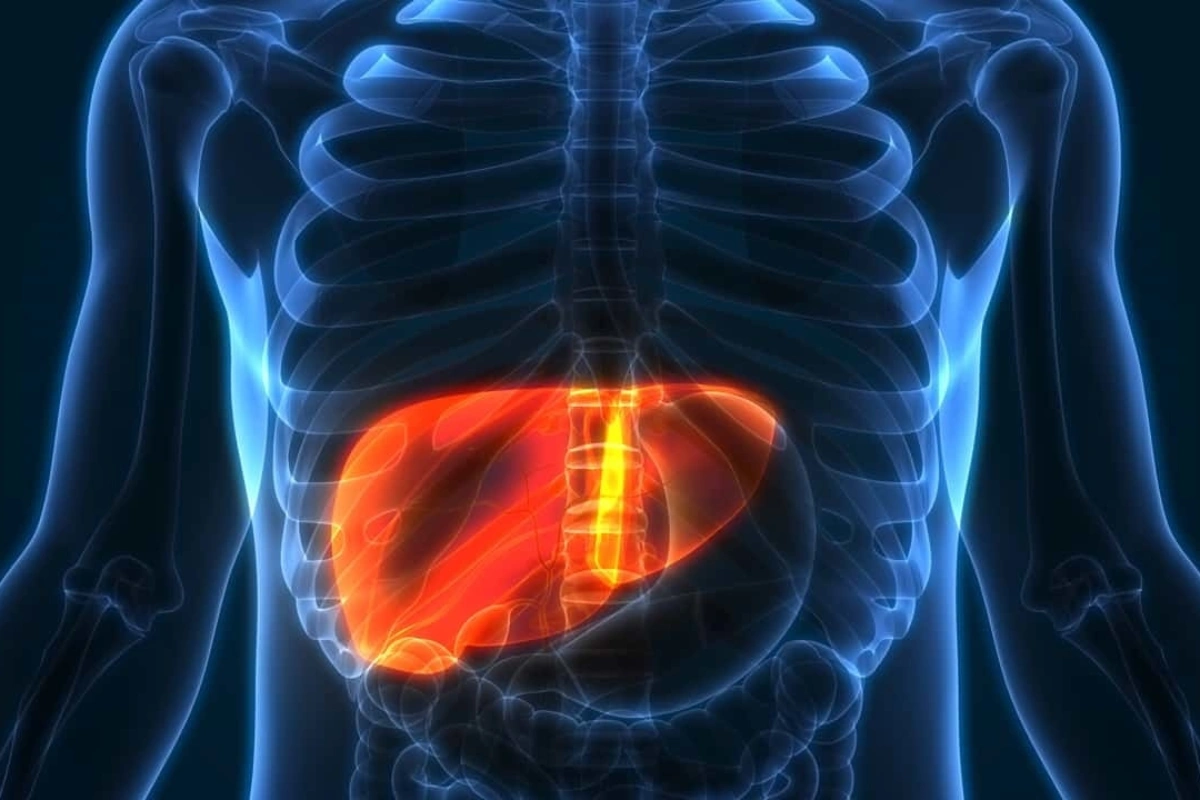
NAFLD: For countless years, the concept of liver damage was widely associated with excessive alcohol consumption. However, nutrition experts and doctors are witnessing a worrying shift with an increasing number of young adults in their 20s and early 30s being diagnosed with Non-Alcoholic Fatty Liver Disease (NAFLD), a silent condition closely linked to modern lifestyle habits.
Worrying Trends Of NAFLD
Worryingly, many young people with NAFLD appear outwardly healthy. They may not drink alcohol regularly, may not have severe obesity, and often experience no obvious symptoms in the early stages. Yet, excess fat hidden inside their body slowly begins accumulating in the liver, triggering inflammation, metabolic dysfunction and in severe cases, permanent liver damage.
DON'T MISS
Health experts believe that India’s rapidly changing food culture, rising stress levels, poor sleep patterns, sedentary lifestyles and dependence on ultra-processed foods are the primary reasons for today’s liver health crisis among younger generations.
What Is NAFLD and Why Is It Becoming So Common?
Non-Alcoholic Fatty Liver Disease, commonly known as NAFLD, occurs when excess fat accumulates in the liver in people who consume little or no alcohol. A healthy liver naturally contains small amounts of fat, but when fat begins accounting for more than 5–10 percent of the liver’s weight, it can interfere with normal liver function.
NAFLD is now considered one of the fastest-growing lifestyle diseases globally, and India is emerging as a major hotspot due to changing dietary patterns and increasing metabolic disorders.
Health Complications Because Of NAFLD
Experts warn that NAFLD often progresses silently. In some cases, the disease may gradually advance to a more dangerous condition called Non-Alcoholic Steatohepatitis (NASH), where inflammation and liver cell damage occur alongside fat accumulation.
If left unmanaged for years, NAFLD can eventually lead to severe and debilitating health conditions such as liver fibrosis, Cirrhosis, liver failure, increased cardiovascular risk or Type 2 diabetes complications.
Disclaimer: This content, including advice, provides general information only. It is not a substitute for a qualified medical opinion in any way. The methods and claims mentioned in this article should be considered as suggestions only; DNP India neither confirms nor denies them. Always consult a doctor before following any such suggestions/treatments/medications/diets.


