


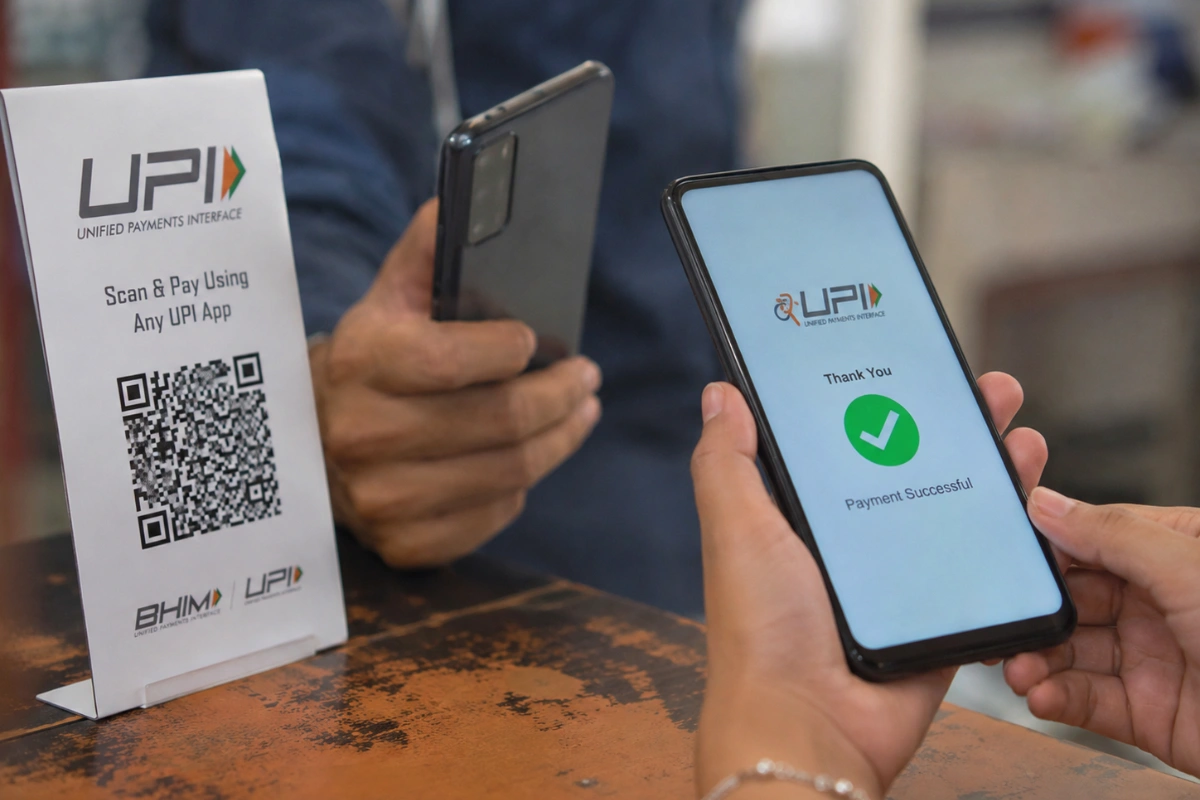
UPI Payment: The National Payments Corporation of India (NPCI) has approved a new Merchant Discount Rate (MDR) of 0.4% on Person-to-Merchant (P2M) UPI transactions above ₹2,000. The rule kicks in from October 15, 2026, giving banks, payment apps, and businesses time to update their billing systems. For high-value purchases of ₹75,000 or more, the fee is capped at a flat ₹300 per transaction, so it doesn’t keep climbing endlessly.
DON'T MISS
Why NPCI Is Introducing This Threshold
UPI has grown into a massive, mostly free ecosystem, but running that infrastructure costs money. NPCI says the goal is to build a sustainable revenue stream to fund things like infrastructure upgrades, cybersecurity, and customer support without disturbing the everyday, small-ticket payments that make up the bulk of UPI usage. Small transactions under ₹2,000 reportedly account for more than 95% of all UPI merchant payments, so the impact on ordinary daily spending stays limited.
Will Your Regular UPI Payments Cost More?
For most people, day-to-day life won’t feel different. Payments below ₹2,000 your chai, groceries, or auto fare remain completely fee-free. Person-to-person transfers to friends and family also stay free, no matter the amount. The charge applies only when you’re paying a merchant more than ₹2,000 for goods or services.
How Big Retail Gets Hit and Passed On
This is where things get interesting for shoppers. Large retailers, especially those handling frequent big-ticket transactions, will now absorb a small MDR cost on every UPI sale above ₹2,000. Certain categories like railways, telecom, insurance, and fuel get a lighter flat ₹5 fee instead of the percentage rate. The real question is whether big retailers quietly build this cost into product prices, effectively passing the pinch onto consumers indirectly.
Small Merchants Still Get Zero MDR
UPI Payment: Local kirana stores and small vendors receiving up to ₹1 lakh a month via UPI QR codes continue to enjoy zero MDR, regardless of transaction size protecting the small businesses that rely most heavily on UPI for daily trade.