

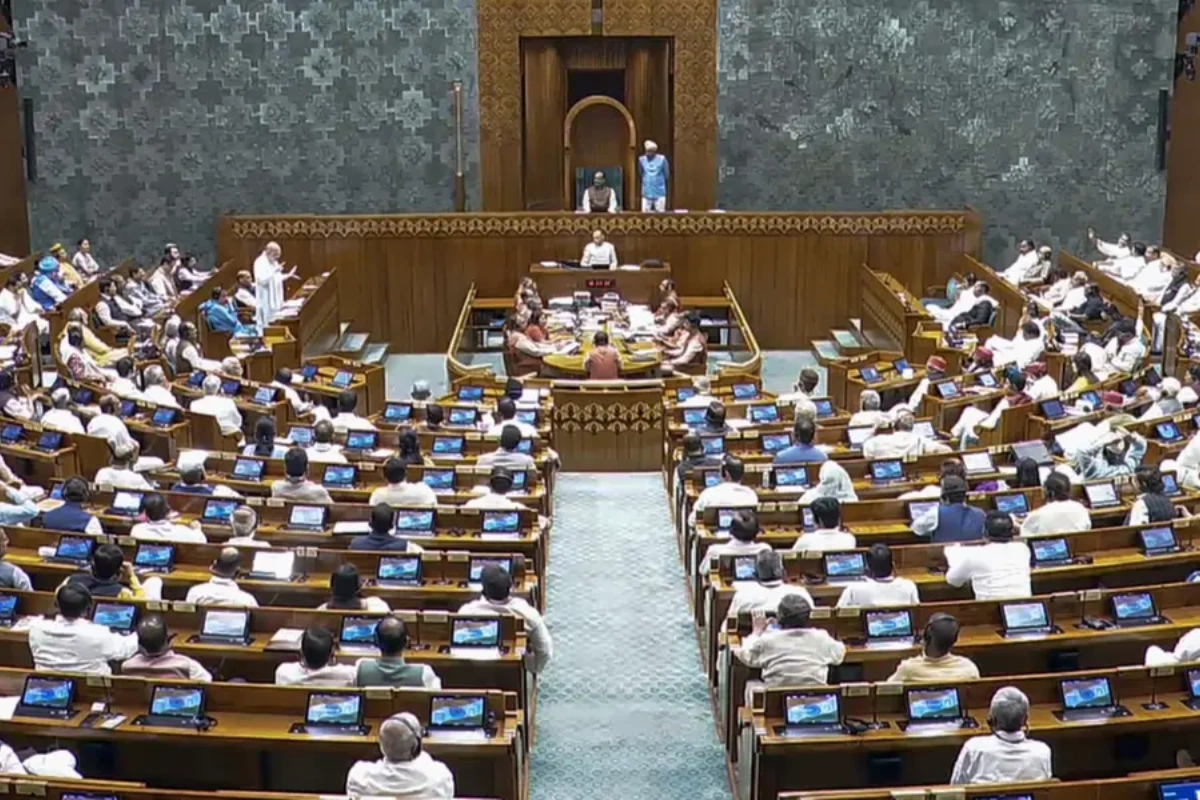
Women’s Reservation Bill: On April 17, 2026, the Lok Sabha dealt a major blow to the long-awaited Women’s Reservation Bill, which would have set aside 33% of seats in Parliament and state assemblies for women. The bill got 298 votes in favour and 230 against, but it didn’t get the two-thirds majority it needed to change the Constitution. This shows how divided the country is politically.
DON'T MISS
Vote Shortage
The bill didn’t get enough votes to pass with a special majority, which shows that the ruling coalition couldn’t get broad support. Even though the numbers showed a lot of support, they weren’t enough according to constitutional norms, which stopped it from passing.
Linkage of Delimitation
One of the most controversial points was its connection to the proposed delimitation exercise. Opposition parties said that linking women’s reservations to the redrawing of constituencies after the census could give some areas, especially northern states, an unfair advantage. This made people worry about fairness and put off the start of the project.
Demands for sub-quotas
Several leaders of the opposition called for sub-quotas within the 33% reservation for SCs, STs, and OBCs. They said that without these kinds of protections, the bill could leave out women who are already on the fringes. This demand became a big problem that kept everyone from agreeing.
Concerns of the Southern States
Leaders from southern states were worried that dividing up the government based on population would mean fewer representatives in parliament. Mallikarjun Kharge said that these kinds of changes could upset the balance of power in the federal government, making it harder for regional parties to work together.
Political Timing and Goals
Women’s Reservation Bill: Critics said the government pushed the bill through with the next elections in mind. In the meantime, Amit Shah defended the bill, saying that the opposition’s resistance was an “insult to Nari Shakti,” which made the political fight even worse.


