


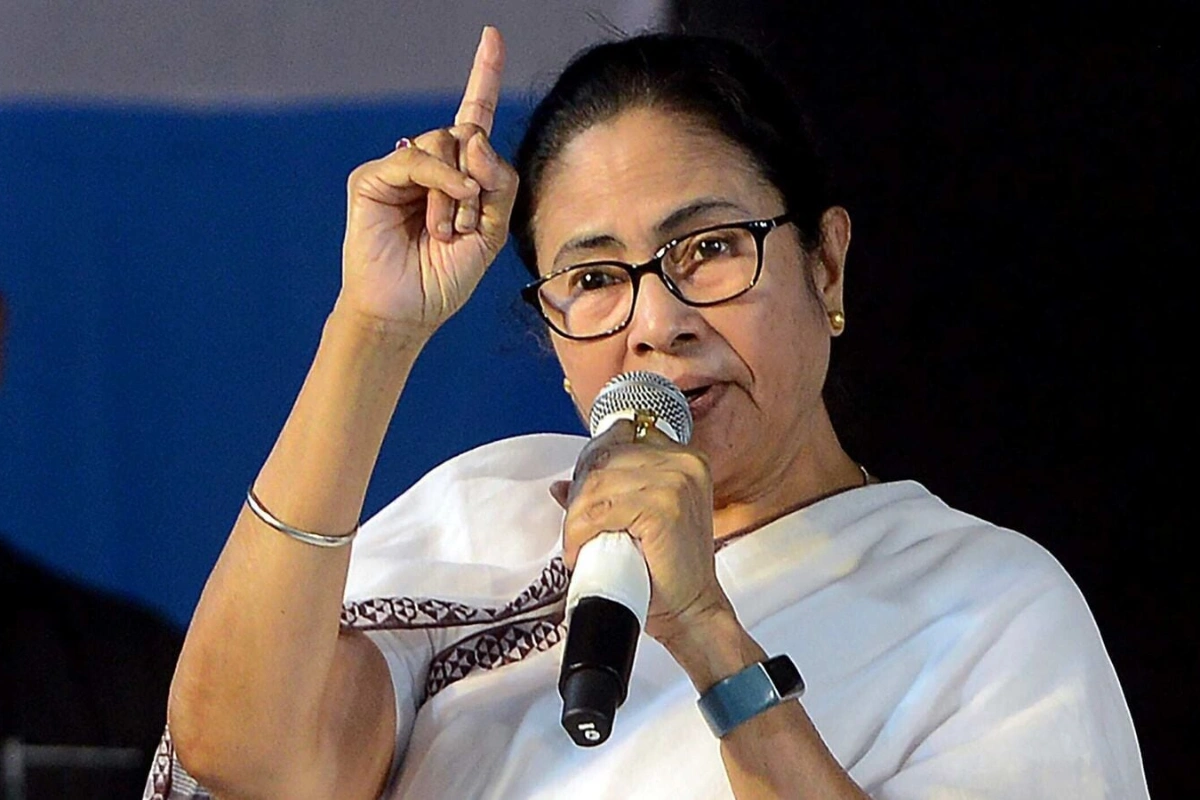
Mamata Banerjee: For over a decade, Mamata Banerjee stood as one of India’s most formidable political leaders, steering West Bengal with unmatched authority. Her party, All India Trinamool Congress (TMC), consistently secured strong mandates, riding on welfare schemes, grassroots connections, and a powerful regional identity. However, the 2026 assembly election delivered a shocking verdict, one that marked a dramatic shift in the state’s political landscape.
5 Key Reasons Behind Mamata Banerjee’s 2026 Election Defeat
1. Strong Anti-Incumbency Wave
After years in power, the TMC faced a growing anti-incumbency sentiment. While initial years were marked by development and welfare-driven governance, many voters began expressing dissatisfaction over issues like unemployment, infrastructure gaps, and local-level governance failures.
DON'T MISS
2. Organizational Fatigue Within TMC
Long-term dominance often brings complacency. The TMC’s grassroots machinery, once its biggest strength, appeared to weaken in several constituencies. Internal conflicts, lack of coordination, and reduced voter outreach created gaps that opposition parties effectively exploited.
3. Aggressive Opposition Strategy
Mamata Banerjee: The opposition, particularly the Bharatiya Janata Party (BJP), significantly strengthened its presence in West Bengal over the past few years. With a focused campaign, strong leadership projection, and strategic voter targeting, the BJP managed to consolidate anti-TMC votes and present itself as a viable alternative.
4. Controversies and Governance Criticism
Several controversies and allegations surrounding governance impacted public perception. Issues related to corruption, law and order, and administrative inefficiencies became major talking points during the campaign.
5. Shift in Voter Demographics and Expectations
Mamata Banerjee: The aspirations of voters, especially the youth and urban population, have evolved significantly. Employment opportunities, digital growth, and economic development became key priorities. Many voters felt that the existing leadership was not aligning quickly enough with these changing expectations, leading to a shift in voting patterns.