


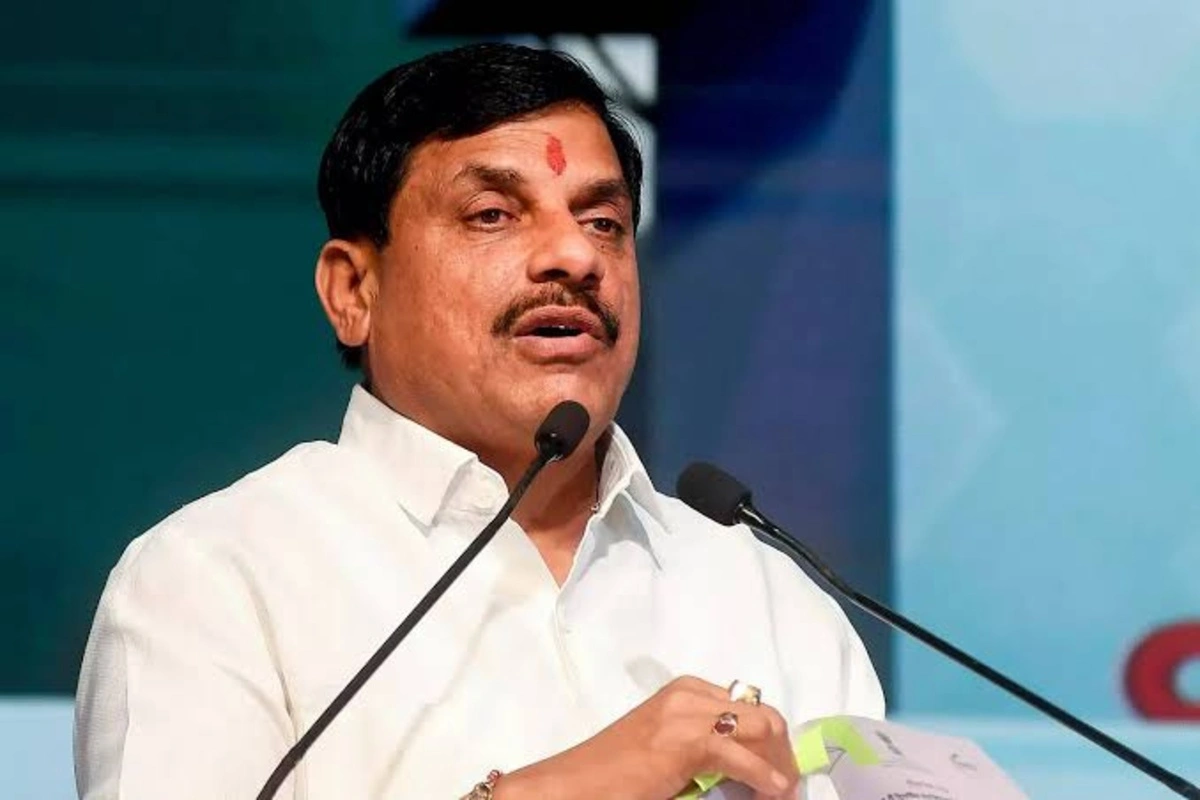
The Madhya Pradesh government has highlighted a series of farmer-focused initiatives aimed at increasing income and ensuring sustainable agriculture, under the leadership of Chief Minister Mohan Yadav.
Mohan Yadav: Focus on Solar Energy and Irrigation
The government said over 32 lakh farmers are being covered with solar pumps under the PM Kusum scheme, enabling access to affordable and clean energy for irrigation. Through dedicated solar feeders, farmers are also expected to generate additional income by supplying surplus power.
DON'T MISS
Affordable Electricity and New Connections
To improve access to power, the state is offering permanent electricity connections at just ₹5, with a target of providing 10 lakh new connections every year. In addition, SC and ST farmers are being given free electricity up to 5 HP, reducing their financial burden.
Support for Millets and Crop Diversification
In a major step to promote millet cultivation, the government has fixed minimum support price for crops like kodo and kutki between ₹2,500 and ₹3,500, along with an additional bonus of ₹1,000. This is expected to encourage farmers to diversify crops and increase earnings.
Tax Relief and Industry Support
The state has also removed market tax on the import of tur dal, aiming to stabilise prices. Further, up to 50 percent subsidy is being provided for agro-based industries, along with an incentive of ₹5,000 per month for employment generation.
Strengthening Farmer Welfare
Officials said these initiatives are part of the government’s farmer welfare focus for 2026, aimed at enhancing income, ensuring energy security, and creating new livelihood opportunities.
Boost to Rural Economy
The combined impact of these measures is expected to strengthen the rural economy, improve agricultural productivity, and provide long-term sustainability to farmers across Madhya Pradesh.
The promotion of agro-based industries is also expected to create employment opportunities in rural areas. By encouraging small and medium enterprises linked to agriculture, the government aims to reduce migration and support local livelihoods.
Long-Term Agricultural Sustainability
Experts believe that the emphasis on renewable energy, crop diversification, and financial incentives will contribute to long-term sustainability. These measures are likely to make farming more resilient, cost-effective, and profitable for farmers in the state.