


The consistent rise in admissions at the Bhagwant Mann Government’s de-addiction and rehabilitation centres is a strong indicator of the growing public faith in the state’s treatment infrastructure as part of the ‘Yudh Nashean Virudh’.
Government de-addiction centres witnessed a steep rise in admissions from 9,577 in 2024 to 25,290 in 2025, an increase of more than 164 per cent. The same trend continued into 2026, with over 14,000 people being admitted to government de-addiction centres by July.
Notably, this rise in the number of admissions is a result of the ‘Yudh Nashean Virudh’ that began in March 2025. This rise is a strong indication that an increasing number of families and individuals are willing to approach the treatment centres rather than letting stigma keep their loved ones or themselves in the darkness of addiction.
The initiative’s growing footprint is particularly important in a state where those battling addiction may have struggled for years before seeking structured help. With treatment and rehabilitation facilities becoming an increasingly visible part of the anti-drug initiative, the emphasis is shifting from merely identifying the problem to actively bringing affected individuals into care and supporting their recovery.
DON'T MISS
The rehabilitation network has also recorded an equally striking increase. Admissions to government rehabilitation centres rose from 2,644 in 2024 to 8,574 in 2025 — an increase of more than 224 per cent. By July 2026, over 5,800 people had already been admitted, accounting for nearly 68% of the total admissions recorded during 2025.
The expanding reach of treatment is also visible through Punjab’s Outpatient Opioid-Assisted Treatment or OOAT clinic network. New registrations rose from 13,033 in 2024 to 17,702 in 2025, while over 12,500 new patients have registered by August this year.
The numbers point towards a broader treatment ecosystem in which people struggling with substance dependence have multiple avenues to seek assistance — from de-addiction centres and rehabilitation facilities to outpatient treatment.
The state has simultaneously used the rehabilitation provisions available under law. As of August 27, 2026, over 11,000 individuals had been granted immunity under Section 64A of the NDPS Act. The Act gives legal immunity to people suffering from drug addiction or those charged with consumption or possession.
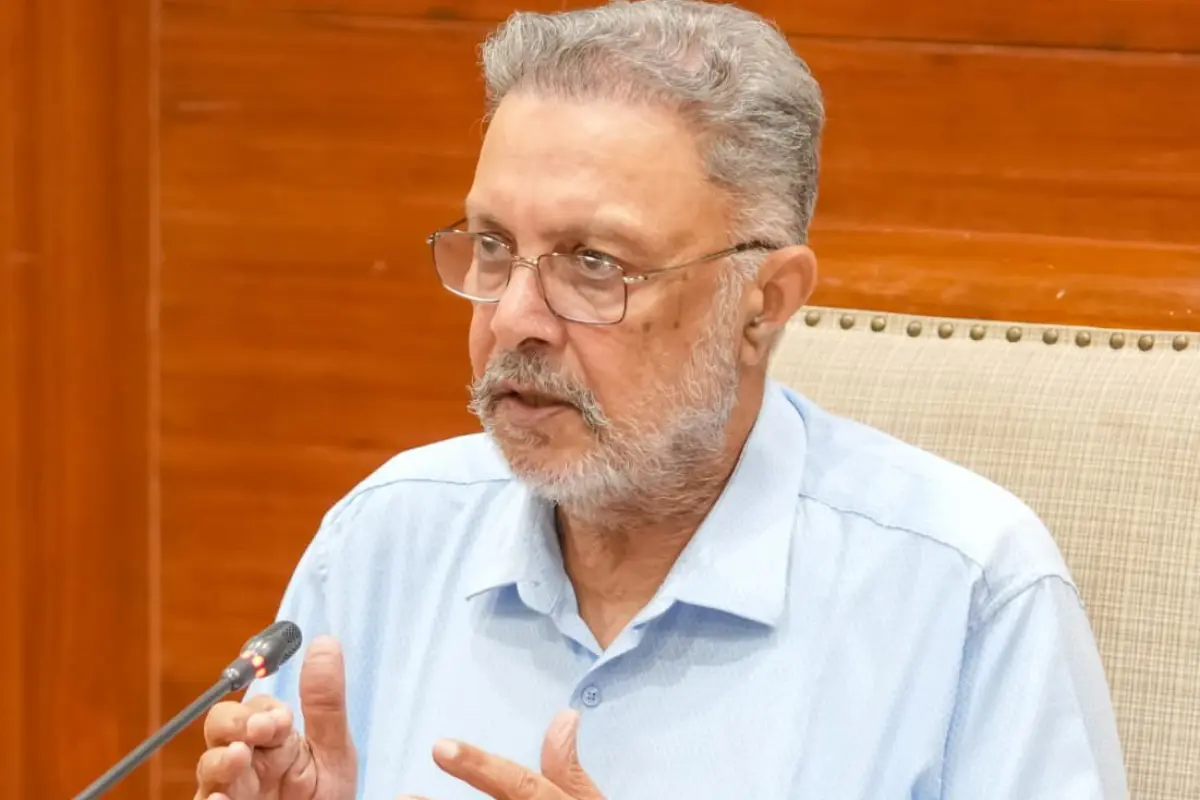
Health and Family Welfare Minister Dr Balbir Singh said, “For Punjab, the sharp increase in admissions is proving to be one of the most encouraging indicators of the initiative: people are increasingly stepping forward, families are seeking institutional support and the state’s treatment network is reaching individuals who may otherwise have remained outside the formal system.”
He added, “Yudh Nashean Virudh stands on three pillars: strict enforcement against smugglers, treatment and rehabilitation for the affected, and prevention to protect our children before drugs ever reach them. With treatment and rehabilitation, our effort is to bring people back from addiction, restore families and give those struggling with substance abuse a genuine pathway to recovery.”