

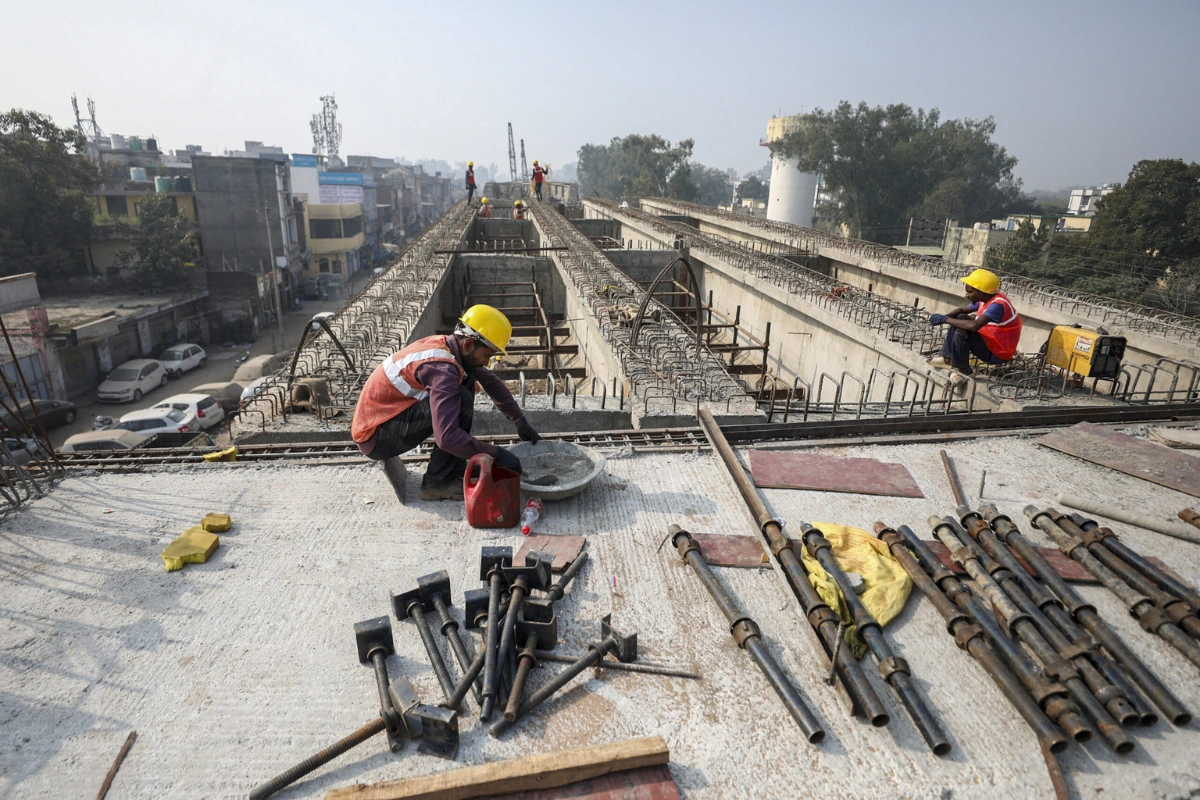
Delhi Katra Expressway: The much-awaited Delhi-Amritsar-Katra Expressway is likely to face completion by March 2027, cutting travel time from Delhi to the sacred Vaishno Devi shrine in Katra by a staggering 8 hours.
The 657-km greenfield highway, often dubbed India’s “spiritual superhighway” is likely to boost regional connectivity in many areas, including Udhampur and Pathankot.
The Delhi Katra Expressway Revolution: From Dream To Reality
The Delhi-Katra Expressway project, which was approved under the Bharatiya National Highways Development (BHNDP) initiative, started in 2021 but delays have long derailed its completion progress. However, the National Highways Authority of India (NHAI) has now announced that the expressway would get fully completed by the month of March in 2027, thanks to accelerated land acquisition and Rs 14,200 crore in funding.
DON'T MISS
Rajiv Kumar, Project Director, NHAI (Project Implementation Unit Jammu), said work on the expressway was severely delayed in the aftermath of Operation Sindoor as well as heavy rains and flooding but now things are back on the right track. Kumar added the Delhi Amritsar Katra Expressway would connect Sri Harmindar Sahib (also known as the Golden Temple or the Darbar Sahib) and Mata Vaishno Devi in Katra.
Presently, a large number of pilgrims are dependent on rail, bus and air travel. Kumar remarked that the NHAI is leveraging advanced segmental bridge construction technology for construction of the expressway.
Beneficiary Regions
Udhampur, the “City of Temples”, is likely to be the biggest beneficiary of the Delhi Katra Expressway. The region would be a host to a major interchange at Nashri, which is 30 kilometres from Katra. This direct Delhi link would help in transforming Udhampur into a logistics and tourism powerhouse.
It is expected that the expressway would lead to a massive surge in real estate. Budget hotels, warehouses and dhabas are likely to triple while Patnitop hill station, already a honeymoon hotspot, will see tourist footfall surge 250-300 percent. Local traders expect their incomes getting doubled or even more once the expressway is open to the general public.
Pathankot, which is Punjab’s border district and military nerve centre, is also likely to benefit hugely from the expressway. As the first major stop after Amritsar, Pathankot’s strategic location at the tri-junction of Punjab, Himachal and Jammu & Kashmir would make it the region’s logistics kingpin. The expressway is also likely to spell industrial renaissance for Pathankot’s pharma units, textile mills and food processing plants.