

Punjab’s government schools were once an afterthought. Today, they are a national benchmark. In four years, Chief Minister Bhagwant Mann has turned the state’s public education system into one of the most talked-about reform stories in India — and the results are now visible in classrooms across the state.
12,000 Schools, 25,000 Works — The Scale of Sikhya Kranti
Under Punjab’s Sikhya Kranti initiative, a 54-day drive inaugurated 25,000 works across 12,000 schools, covering everything from infrastructure repairs and smart classroom installations to boundary walls and sanitation upgrades. For the financial year 2025–26, the Punjab government allocated approximately 12% of its total expenditure to the education sector — a figure that reflects the political priority being placed on public schooling.
Teachers Trained Globally, Students Learning Digitally
As part of its reform strategy, the state government is sending government school teachers to countries like Singapore and Finland for advanced training. Schools of Eminence have been launched to provide students with high-quality education comparable to private institutions, while digital learning tools are being deployed to make government schools technology-competitive.
Punjab Sikhya Kranti 2.0 — Backed by the World Bank
The reform did not stop at infrastructure. In March 2026, the Bhagwant Mann government launched Punjab Sikhya Kranti 2.0 — a transformative new phase of school education reform with a total investment of ₹3,500 crore over six years, backed by a collaboration with the World Bank, targeting structural reforms across nearly 20,000 government schools and aligning Punjab’s education system with global standards.
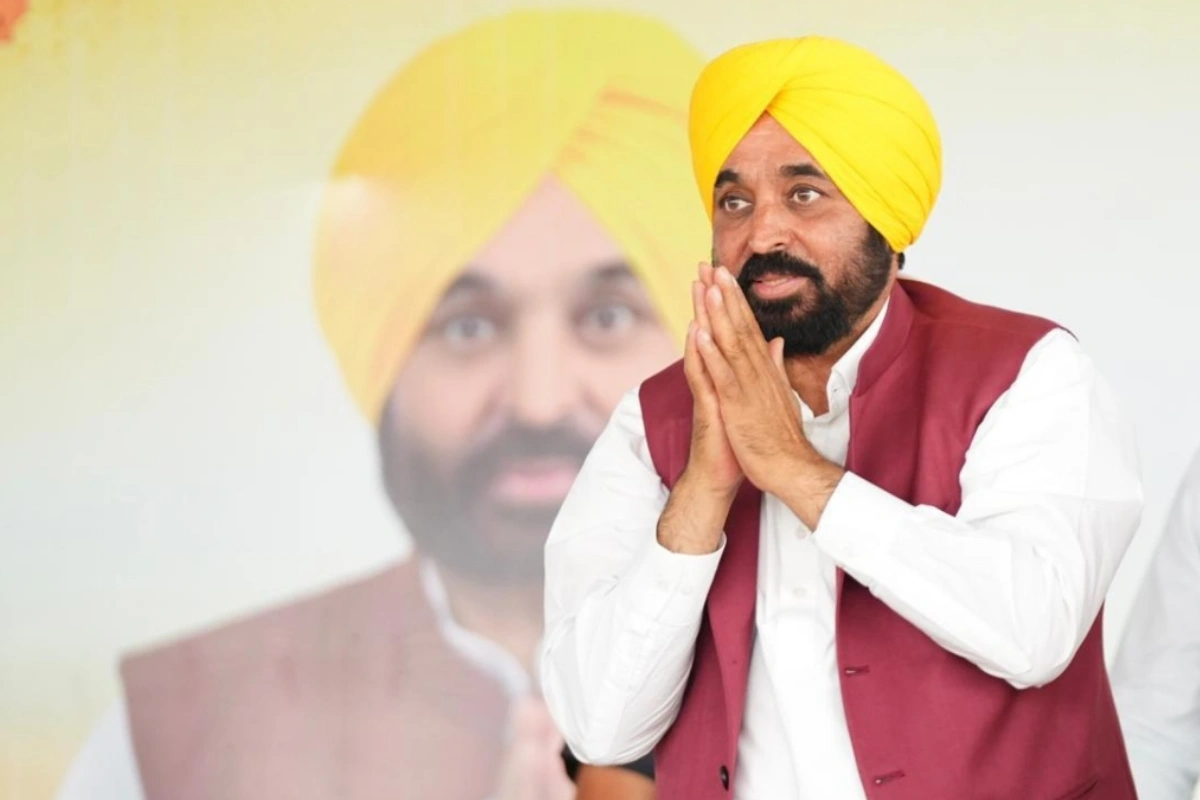
CM Bhagwant Mann presented a detailed four-year report card showing that Punjab’s government schools have reached the top in national assessments.
Punjab’s education revolution is no longer a promise. It is a report card.


