

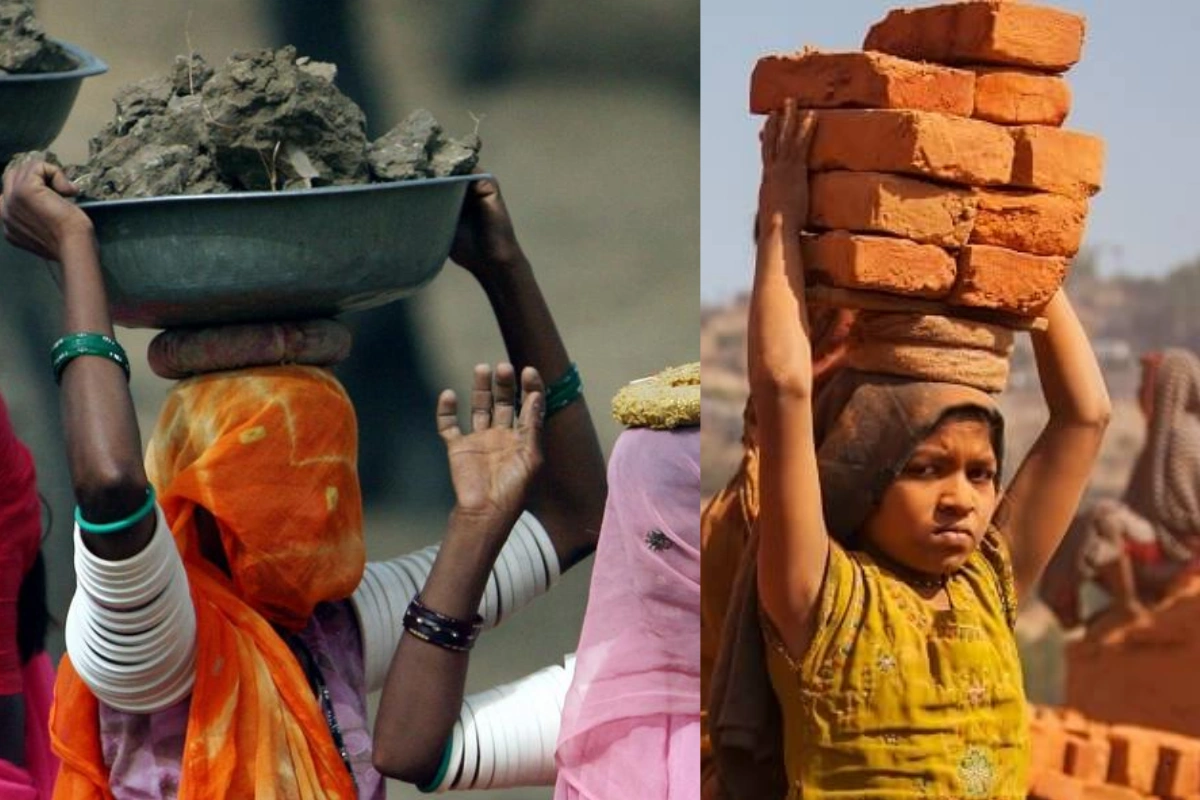
Rajasthan News: In one of the most significant labour policy decisions in recent years, the Rajasthan government has announced a sharp increase in minimum labour wages, benefiting nearly 25 lakh workers across the state. The revised wage structure, which reportedly raises labour rates between 22 percent and 45 percent, is being seen as both a massive welfare-driven intervention and a major economic experiment.
For lakhs of construction workers, factory labourers, daily wage earners, sanitation staff and workers in small industries, the move promises long-awaited financial relief amid rising inflation. But for businesses already battling high operational costs, the decision could alter hiring patterns, project budgets and investment calculations.
DON'T MISS
Rajasthan News-Latest Updates
The wage revision comes at a time when Rajasthan is trying to position itself as a manufacturing and industrial hub under large-scale investment summits and infrastructure expansion.
According to labour-related notifications and wage revision frameworks issued by the Rajasthan Labour Department, minimum wages in the state are periodically revised based on inflation, skill category and sector-specific employment conditions.
How Will It Benefit The Labour Community?
Over the last few years, prices of food grains, cooking oil, transport, rent, healthcare and education have increased sharply. While inflation hit urban and rural households alike, the burden was disproportionately carried by informal workers earning barely enough to sustain their families.
The revised rates are expected to directly impact workers employed in construction, mining, stone cutting, engineering units, textile clusters, hospitality, transport services and local manufacturing industries in the state of Rajasthan.
The state’s labour economy is vast and deeply linked with sectors such as marble processing in Kishangarh, textiles in Bhilwara, handicrafts in Jodhpur, gems in Jaipur and tourism-driven service jobs in Udaipur and Jaisalmer.
Economists believe the increase could boost purchasing power in rural and semi-urban areas where daily wage labour forms the backbone of household income. This could translate into increased demand for consumer goods, housing materials, two-wheelers, mobile phones and local retail products.
Social policy experts believe that increasing labour income can have long-term developmental effects such as better nutrition for labour families, improved school attendance among children, reduced debt dependence, increased rural spending and fewer incidents of exploitation in informal sectors.


