

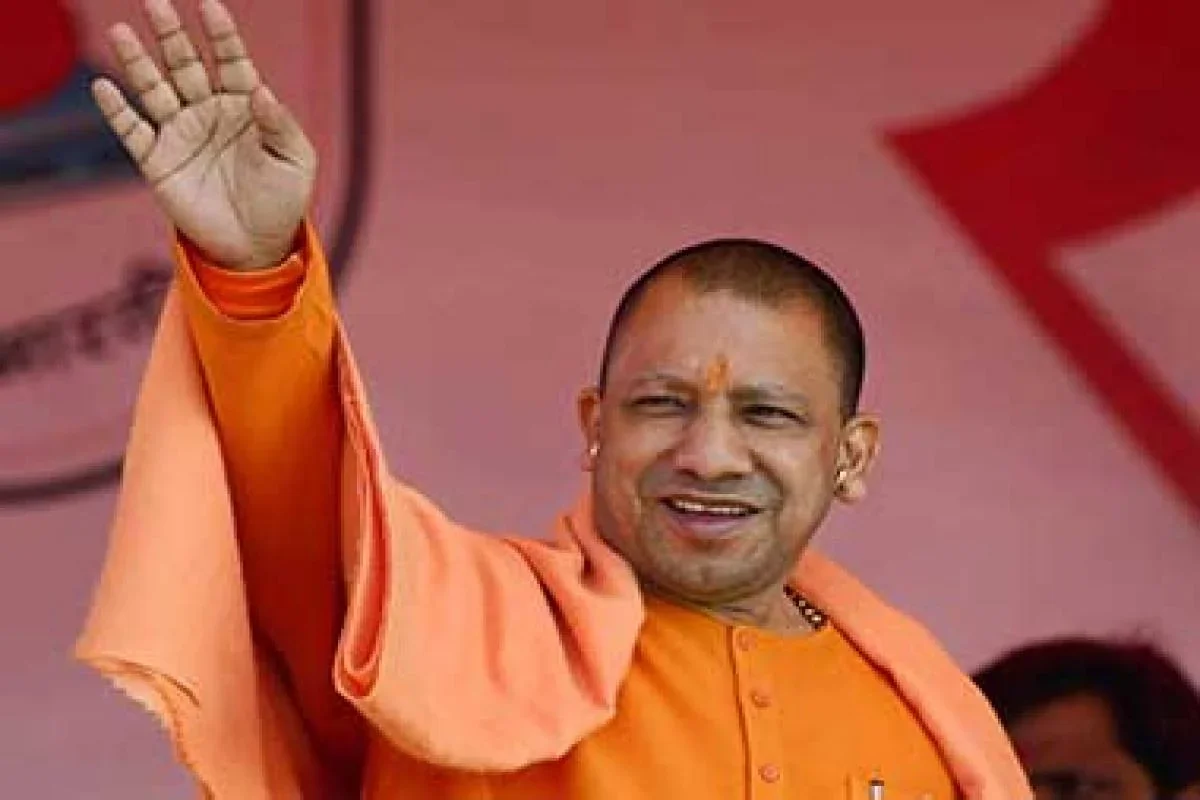
CM Yogi Adityanath: Uttar Pradesh is India’s most populous state, and its Chief Minister has said he wants it to become a one trillion dollar economy by 2029-2030. To fund that goal, Yogi Adityanath took his investment pitch to Singapore earlier this year. Here is what happened, what it means, and whether the target is realistic.
What Happened During the Singapore Visit?
The Chief Minister said UP received investment proposals worth up to ₹1 lakh crore in Singapore, with MoUs worth ₹60,000 crore already finalised. He also met Deputy Prime Minister Gan Kim Yong and Home Affairs Minister K. Shanmugam. An MoU is a signed promise to work together. It is a strong first step, but it is not yet money spent on factories or roads.
Why Singapore?
Singapore offers two things UP wants: capital and know-how. The delegation spoke with sovereign wealth funds, private equity firms and institutional investors, and talks covered smart city planning, sustainable urban transport and industrial township models. The Chief Minister also mentioned work on a specially planned “Singapore City” for investors entering the NCR region.
DON'T MISS
Which Sectors Will Benefit?
Investments are expected in logistics, warehousing, data centres, fintech, renewable energy and advanced manufacturing. Talks also covered semiconductors and aircraft maintenance (MRO). A separate agreement with AVPN targets clean energy, clean transport and climate technology manufacturing. If these projects go ahead, they should create jobs in factories, warehouses and services.
Why Does UP Believe It Can Do It?
The state’s argument rests on scale and recent growth. The Chief Minister says UP’s GSDP rose from ₹13 lakh crore to ₹36 lakh crore in nine years, and the state contributes 9.5 per cent of India’s GDP. He also claims per capita income has nearly tripled. To attract investors, the government highlights single-window clearances and improved law and order.
The Reality Check
A trillion-dollar economy is a steep climb. At recent exchange rates, ₹36 lakh crore is roughly $400 billion. To reach $1 trillion by 2029-30, the state would need to grow by more than 20 percent a year in dollar terms. Few large economies manage that.
Proposals and MoUs also do not always become real investments. Land, power supply, skilled workers and quick approvals will decide how much money actually arrives. Critics often point to the gap between announcements and delivery, while supporters argue that early agreements build momentum.
What to Watch Next
Follow three things: how many MoUs turn into groundbreaking ceremonies, how many jobs are created, and whether UP’s growth rate keeps accelerating. Those numbers will matter more than headlines.


