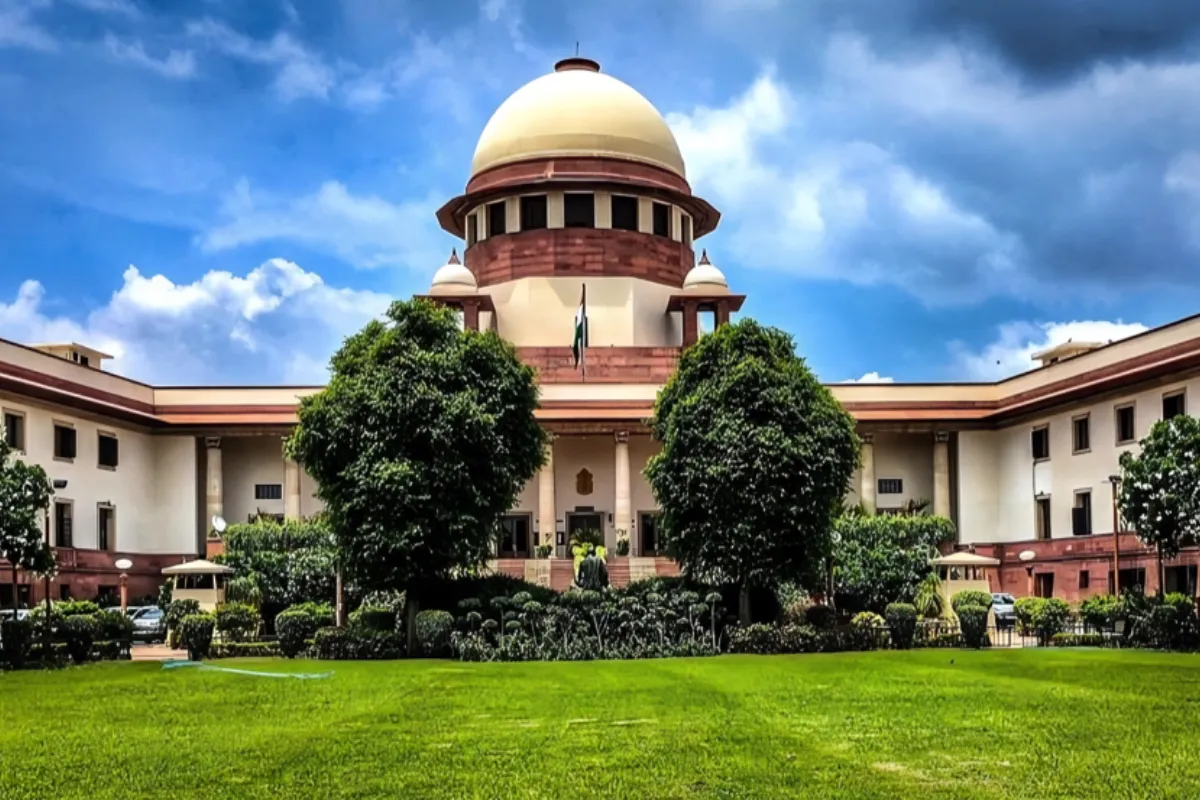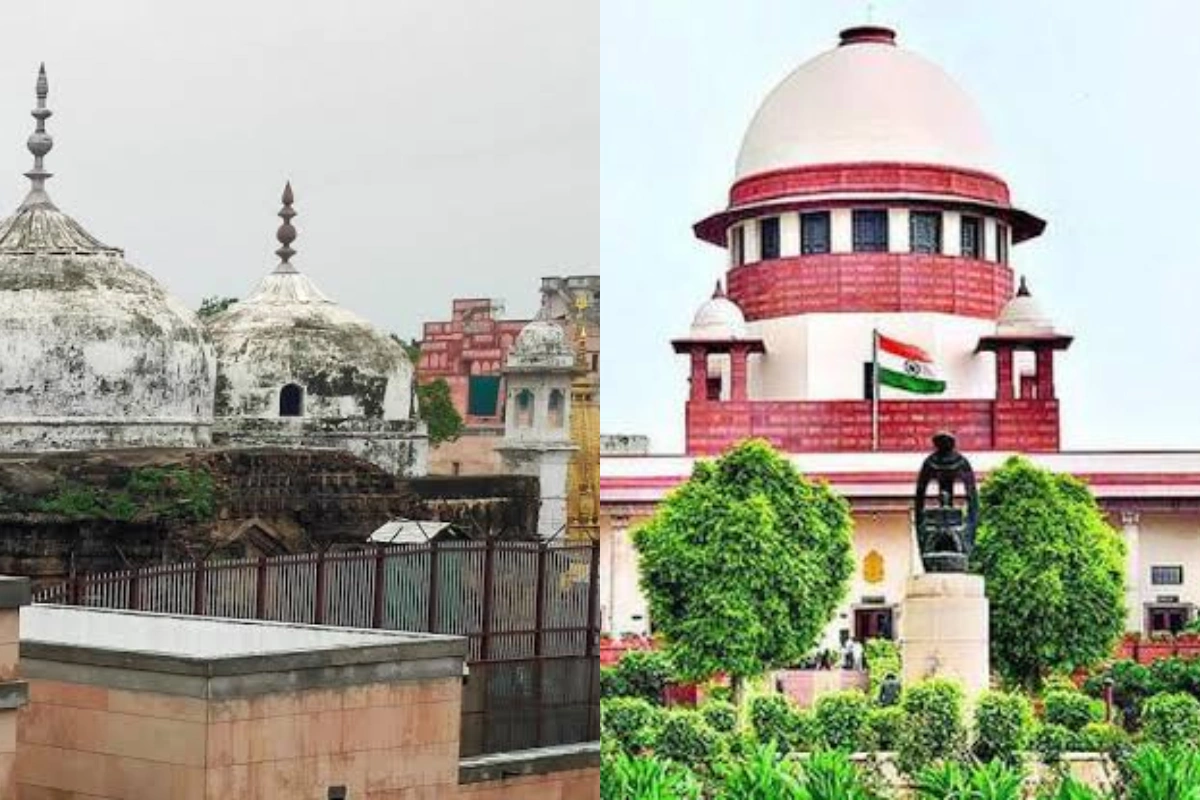
The Supreme Court’s move to settle the disputes related to three major temple-mosque disputes through mediation has not succeeded in getting support from either Hindus or Muslims. Both sides have rejected the offer, saying that the disputes involve issues of law and constitution and must be settled in the court of law.
DON'T MISS
Mediation Move from the Supreme Court
Under the Samadhan Samaroh 2026 project of the Supreme Court, the parties to cases pending in court have been asked to consider the matter of mediation in a special Lok Adalat to be held in August.
Why Have Both Parties Rejected the Offer?
Since both Hindu and Muslim litigants feel that the issues involved in these disputes pertain to title, constitutional issues, and interpretation of the Places of Worship Act, they do not want it to be settled through negotiation but through judicial decision.
Gyanvapi Mosque Dispute
The dispute centers on the Hindus’ contention that the Gyanvapi mosque in Varanasi was constructed by demolishing the Kashi Vishwanath temple.
Mathura Controversy
This controversy is about the alleged construction of the Shahi Eidgah mosque on land considered to be the birthplace of Lord Krishna. Hindu organizations are opposing a decision made in 1968, while the mosque committee opposes the claim.
Sambhal Jama Masjid Controversy
The Sambhal controversy erupted after the High Court directed the authorities to conduct a survey of the Shahi Jama Masjid on account of the alleged existence of a Harihar temple at that site.