


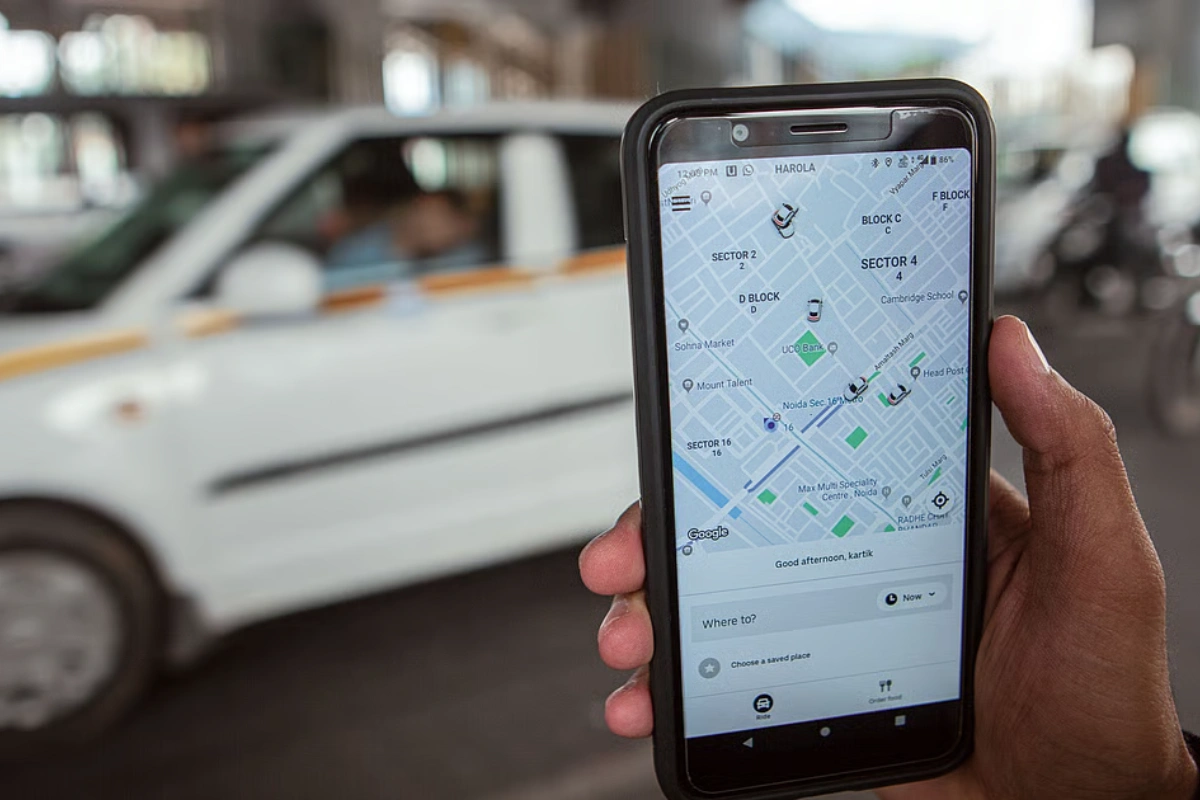
UP News: The Uttar Pradesh government has announced that app-powered vehicles would soon be strictly monitored across the state. Under the new guidelines, bike taxis, Ola, Uber, Rapido and delivery vehicles would be required to register online while drivers would need to undergo fitness, medical and police verification tests. The revised regulations are likely to be implemented at the end of this month or next month.
In recent years, dependence on app-based transport has grown exponentially in the country. Concerns about passenger safety, driver accountability and regulatory gaps have also increased. In a major policy shift, Uttar Pradesh under the leadership of CM Yogi Adityanath is now moving to bring these services under a stricter regulatory framework.
New Era of Regulation for App-Based Transport in Uttar Pradesh
Uttar Pradesh is preparing to formally regulate app-based taxi and mobility services across the state under the newly approved Uttar Pradesh Motor Vehicles (Aggregators and Distribution Service Providers) Rules, 2026. The move aligns with the Union Ministry of Road Transport and Highways’ amendment to Section 93 of the Motor Vehicles Act, 1988, which came into effect on July 1, 2025.
DON'T MISS
Under the revised framework, all app-powered vehicles including taxis, bike taxis and delivery vehicles will be required to register online with the state Transport Department. This marks a significant shift from the earlier system, where aggregators like Ola and Uber operated with limited direct oversight from state authorities.
The policy was approved by the cabinet led by Chief Minister Yogi Adityanath on March 10, and public suggestions and objections were invited until April 5.
How Will It Improve Passenger Security?
The new rules require drivers to undergo comprehensive medical examinations, police verification and fitness tests before being allowed to operate on aggregator platforms.
Every registered vehicle will also be equipped with GPS tracking systems and panic buttons. In case of emergencies, passengers will be able to alert authorities instantly. Additionally, driver details will be displayed on passengers’ mobile phones as soon as a booking is confirmed, increasing transparency and accountability.
A 24-hour grievance redressal cell will also be established to handle complaints, ensuring that passenger concerns are addressed in real time rather than through delayed processes. Another proposal under consideration is the establishment of designated halts or rest zones for app-based drivers. These spaces would allow drivers to rest between trips, improving working conditions and reducing fatigue-related risks.