

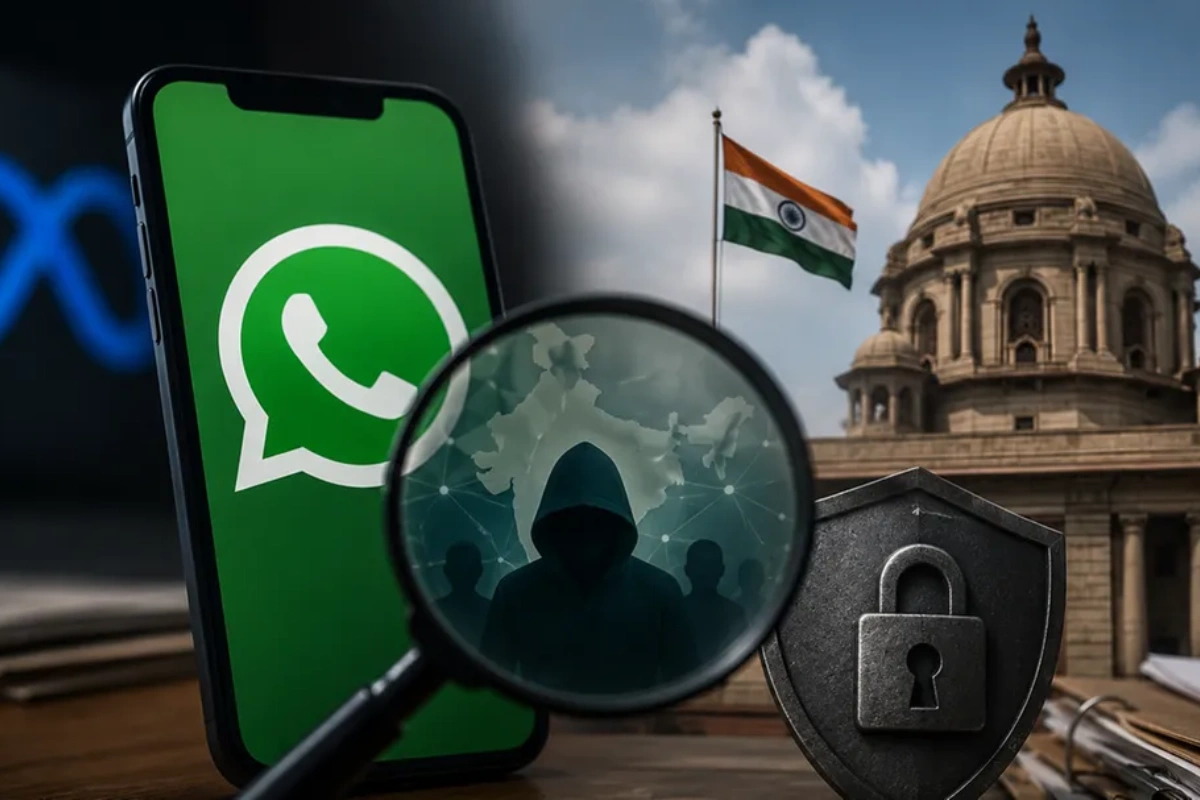
WhatsApp announced on June 29 that users could soon reserve unique usernames to message people without sharing their phone number. Within days, India’s Ministry of Electronics and Information Technology (MeitY) ordered the feature halted, demanding Meta justify the rollout within three days.
Why the Government Is Worried
MeitY’s core concern is that removing phone numbers as the default identifier could materially increase online fraud, phishing, digital arrest scams, and impersonation attacks by letting bad actors contact victims without exposing who they really are. Officials specifically fear scammers creating handles that closely resemble banks, government departments, or public figures.
DON'T MISS
The digital arrest scam looms largest in this debate. In these frauds, criminals pose as CBI officers, judges, or customs officials over video calls, keeping victims isolated for hours while extorting money. Given how widespread this crime has become, the ministry sees anonymous-first contact as adding fuel to an existing fire rather than solving a genuine privacy gap.
Meta’s Defence
WhatsApp maintains the feature is a net privacy gain, pointing to safeguards like reserving usernames for public figures and government bodies in advance, limiting how many new contacts an account can message, and blocking repeated attempts to guess someone’s username. Users would still need a phone number to use WhatsApp at all, and contacting someone new requires knowing their exact handle rather than browsing a directory.
The Bigger Picture
Experts remain split. Some argue phone numbers are sensitive, persistent identifiers tied to banking and government services, making usernames a genuine improvement. Others, including industry voices, worry that common Indian names will clash constantly, with no clear mechanism to recover a taken handle or verify authenticity.
Meta has submitted a formal response to MeitY, which officials are now reviewing. The feature remains suspended for Indian users until the government is satisfied that fraud-prevention measures are adequate.