


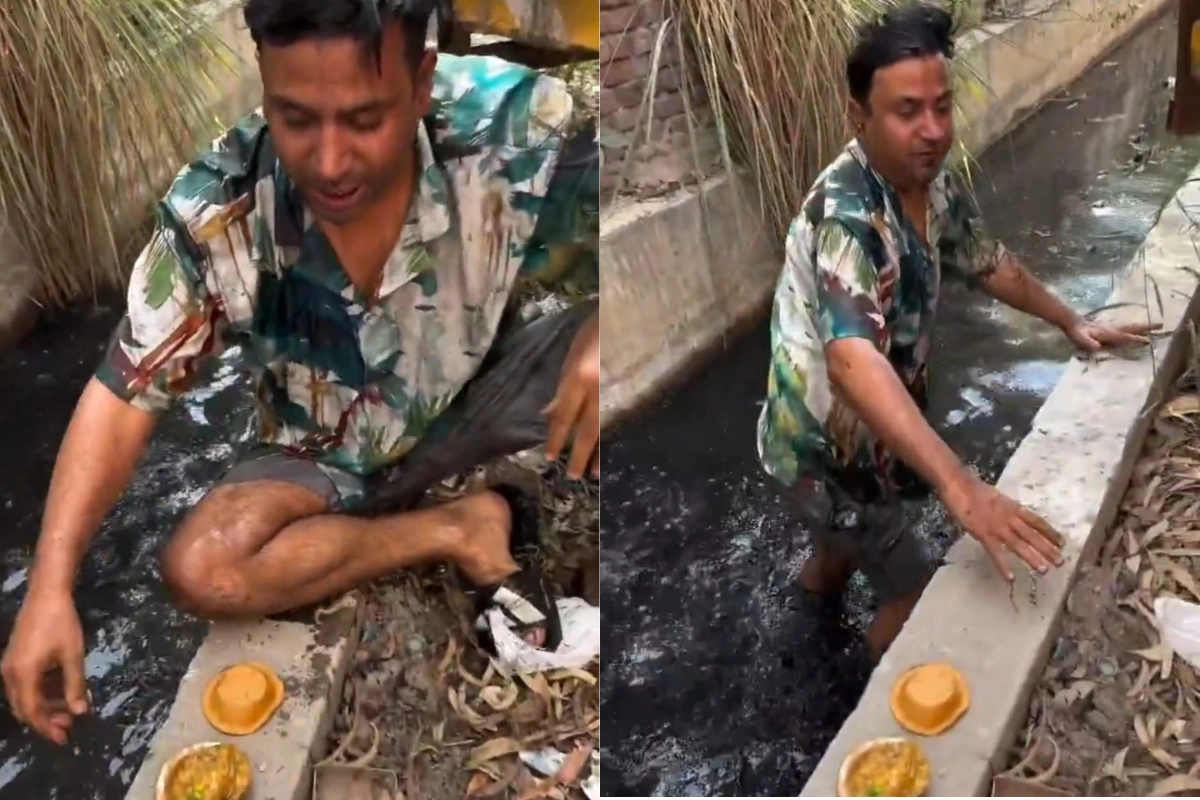
Digital viral trends on social media have become dangerously aggressive in some instances due to social media influencers, who will now perform dangerously risky stunts such as drinking from and swimming in sewage in order to attract followers. Recently, the video of one popular influencer, Puneet Superstar, has gone viral with widespread outrage across virtually all digital platforms. In the video, Puneet Superstar dips himself in an open sewer and cleanses himself of germs by eating food that he put down where he himself was sitting before.
Beyond Entertainment: The Health Risks
Modern day creators typically record this type of content for entertainment value. However, the dangers from a public health standpoint concerning these dangerous and disgusting acts are much higher than the short-term views gained by the creators or those that post the videos.
There are many germs in sewage, including E. coli and several types of parasites, along with a combination of chemicals that could provoke an individual to develop threatening infection, develop severe gastrointestinal complications and potentially permanent disabilities from the dangerous things in the sewage water. Because many pre-adult audiences are forming a new norm for dangerous actions thinking that it is entertaining. Many impressionable young audiences are likely to copy these types of actions, contributing to their own social media growth through these same acts.
DON'T MISS
The Ethics of Viral Fame
Puneet Superstar, the former reality TV personality has demonstrated a pattern of unconventional actions throughout his career. Nonetheless, there are those who believe there is a point at which content creation becomes hazardous to the public. As individuals with influence create content to work their way through complex algorithms and stay relevant, they remain under scrutiny regarding the degree of accountability they have to the platform itself and whether or not their actions are morally responsible.
Performing actions that put your safety and the safety of others at risk is reason enough to call for enhanced community guidelines for risky behaviour on the web/in person; this type of “influence,” when done responsibly, will motivate and not put you at risk.
Note: This Article has been done on the information provided in this viral video/ post. DNP India doesn’t endorse, subscribe or verify the claims