

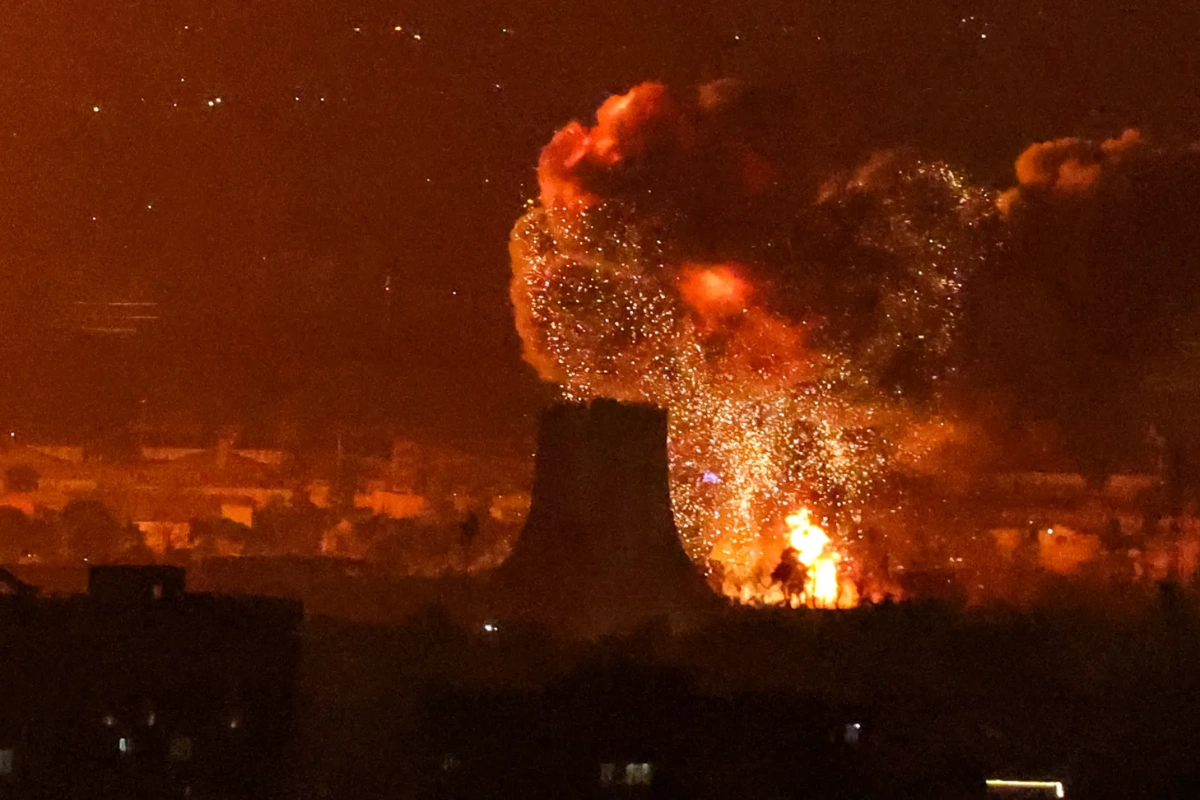
US Iran War: What began as a fragile ceasefire has unravelled into one of the most sustained rounds of direct US-Iran conflict in years. As of July 20, the US military has carried out nine consecutive nights of strikes on Iranian targets, with President Trump saying Iran had been hit “very hard” and signalling more action is likely.
DON'T MISS
How the Ceasefire Collapsed
The current phase of fighting traces back to late June, when a fragile truce between Washington and Tehran began fraying. By mid-July, the US had launched repeated waves of strikes, including a single night around July 11–12 that reportedly hit close to 140 Iranian military sites. Iran and allied forces responded with strikes on US regional partners, including Kuwait, Oman, Jordan, the UAE and Qatar.
Mounting Casualties on Both Sides
The human cost has climbed steadily. Iran’s Health Ministry has put the death toll inside the country at 50 since late June, with more than 500 people injured. On the American side, at least three service members have been killed, two of them in a strike in Jordan that also left a soldier missing, and a third in northern Iraq during the handling of a downed Iranian drone.
Israel, watching closely from the sidelines, has warned it will strike back “without any dependence or conditions” if Iran targets it directly.
Why the Strait of Hormuz Is the Real Flashpoint
US Iran War: Since declaring the Strait of Hormuz effectively closed in early March, Iranian forces have repeatedly targeted vessels attempting to transit the waterway, which normally carries close to a fifth of the world’s seaborne crude oil.
New Delhi has spent recent months diversifying away, and officials say around 70% of India’s crude imports now move through routes outside Hormuz, up from roughly 55% before the conflict escalated.


