

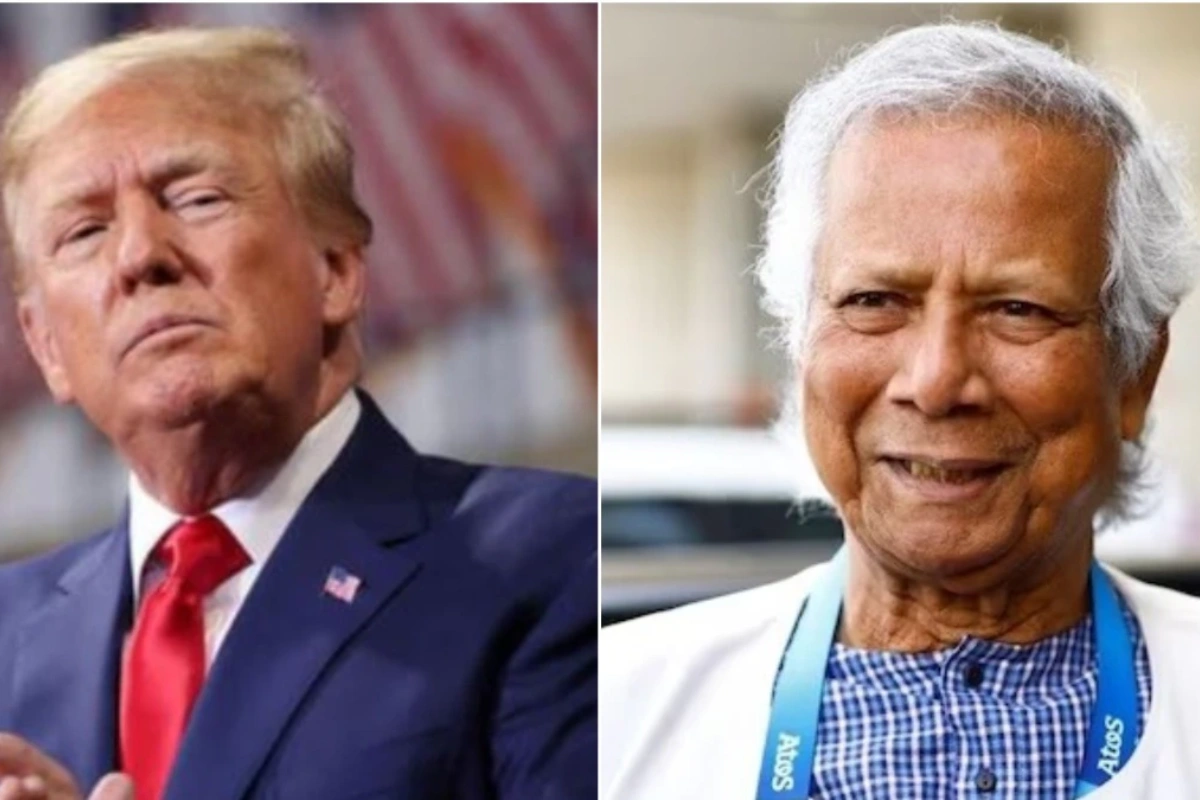

Bangladesh US Tariffs: Bangladesh’s interim government led by Muhammad Yunus has successfully managed to deliver an Oscar-worthy begging victory, pushing its recently found ally and brother Pakistan on its feet.
On Monday, Bangladesh and USA unveiled a deal to reduce tariffs on Bangladeshi goods. A joint statement by the White House disclosed that the Trump administration would trim US “reciprocal” tariffs on products made in the Asian nation from 20 to 19 percent. This tariff rebate is seen by many in the political circles as an attempt by Washington to woo the to-be elected government that would be selected after the February 12 elections.
DON'T MISS
Bangladesh US Tariffs-How Would This Negatively Impact Pakistan And Its Exports?
The tariff reduction for Bangladesh may not bring happy smiles on the faces of Pakistan’s Army Chief Asim Munir and Prime Minister Shehbaz Sharif. This is primarily because it is not good news for the export sector of Pakistan, especially in the context of garments and textiles.
The tariff reduction may substantially improve the competitiveness of Bangladesh in the American market, where tariffs on imports directly and greatly influence brand sourcing decisions and retail prices. For a terror state like Pakistan that already has limited exports to its credit, the consequences of the Bangladesh USA tariff rebate deal would be consequential and particularly troubling.
Bhaichara Or Backstabbing?
Under recent trade measures, Washington has imposed punitive reciprocal tariffs were imposed on a series of Pakistani products, ranging from 16 to 36 percent on products like cotton textiles and garments. This would make Pakistani goods relatively more expensive than those from suppliers such as Bangladesh, Vietnam and India.
The new favourable treatment for Bangladesh would now widen this gap further. This would end up seriously hurting the small-to-medium-sized garment exporters of Pakistan that compete directly on price.
In short, the tariff reductions on Bangladesh would erode the market share for Pakistani exporters that compete with Bangladesh and other nations in the low-mid segment. It may also hurt the export expansion plans of Pakistan in broader textile-linked sectors like technical fabrics and home textiles.