


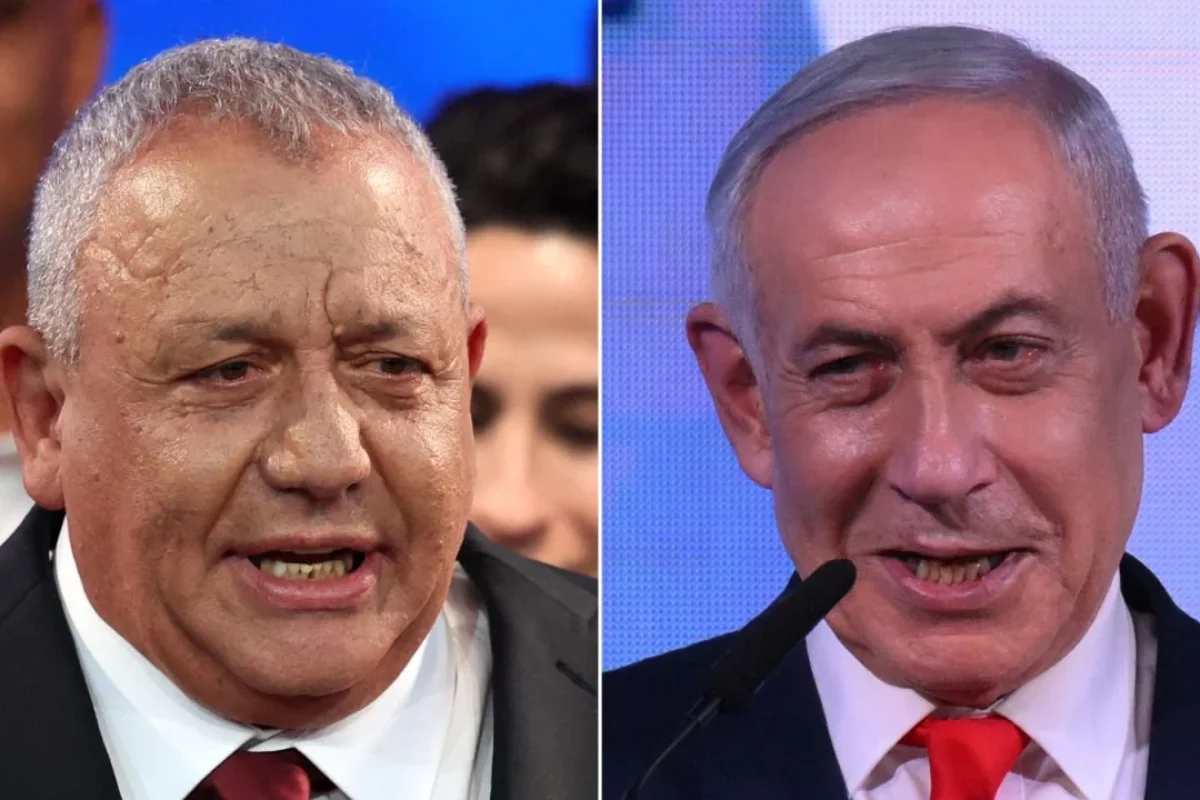
Israel Elections: Electoral results in Israel’s 2026 parliamentary elections have produced a complex political landscape, with Prime Minister Benjamin Netanyahu’s faction gaining a greater share of seats than Gadi Eisenkot’s anti-Netanyahu coalition, but the vote counting has not resulted in either side securing the majority of parliament. Arab parties have become a significant actor with 19 seats overall, shaping Israel’s next government.Completed votes put Netanyahu’s bloc at 53 seats, and Eisenkot’s bloc in opposition at 48 seats, in the 120-seat Knesset. With 61 seats needed for an outright majority, both sides will find it a challenge to win enough support for next government.
Netanyahu’s Bloc Takes the Lead Over Eisenkot
The results of the election show Netanyahu’s bloc leading Eisenkot’s rivals in the number of parliamentary seats.Netanyahu’s Likud, the largest party, won 27 seats, followed by Eisenkot’s Yashar at 21 seats. Netanyahu’s bloc still falls eight seats short of a working majority.Eisenkot’s bloc on the other hand has a significantly larger deficit of five mandates and needs extra support from other MPs to reach 61 seats.The outcome makes coalition negotiations so significant, as neither side can rely solely on the current size of its bloc in order to create a majority government.
DON'T MISS
Arab parties secure 19 seats, become important political players.
One of the biggest developments in the Israel Elections has been the performance of Arab-led political parties.The Joint List and Ra’am have collectively secured 19 seats, marking a significant increase in their parliamentary representation. Their combined strength could become important during discussions over the formation of the next government.The results also reflect increased electoral participation among Arab voters, with the two parties achieving their highest combined representation to date.However, gaining seats does not automatically translate into a role in government. The possibility of cooperation with Arab parties remains politically complicated, particularly because several members of Eisenkot’s wider opposition camp have ruled out working with them
Can Eisenkot Form a Majority With Arab Party Support?
Eisenkot’s anti-Netanyahu bloc has a stiff path ahead of it to form the next government. Even though its 48 seats leave it below Netanyahu‘s bloc, an outside chance exists with backing from Arab parties.A possible path to a parliamentary majority is found in the 19 seats won by the Joint List and Ra’am. But the biggest hurdle is the political divide within the opposition camp. Some of the parties have been hesitant to cooperate with Arab parties, which complicates any potential coalition talks.
What Happens Next in Israel’s Government Formation?
Having concluded the vote tally, the focus now turns to President Isaac Herzog and the forthcoming coalition negotiations. It is said that the Central Elections Committee will deliver the official results to the president on November 4. Herzog will then hold consultations with political parties and their leaders to determine who will be asked to form the new government.The new Knesset is due to be inaugurated on 10 November. Meanwhile, Netanyahu is set to remain caretaker prime minister until a government can be formed. If neither side manages to garner enough parliamentary support, Israel could hold a new election.